

Is Lactose-Free the Same as Dairy-Free? Your Complete Comparison Guide
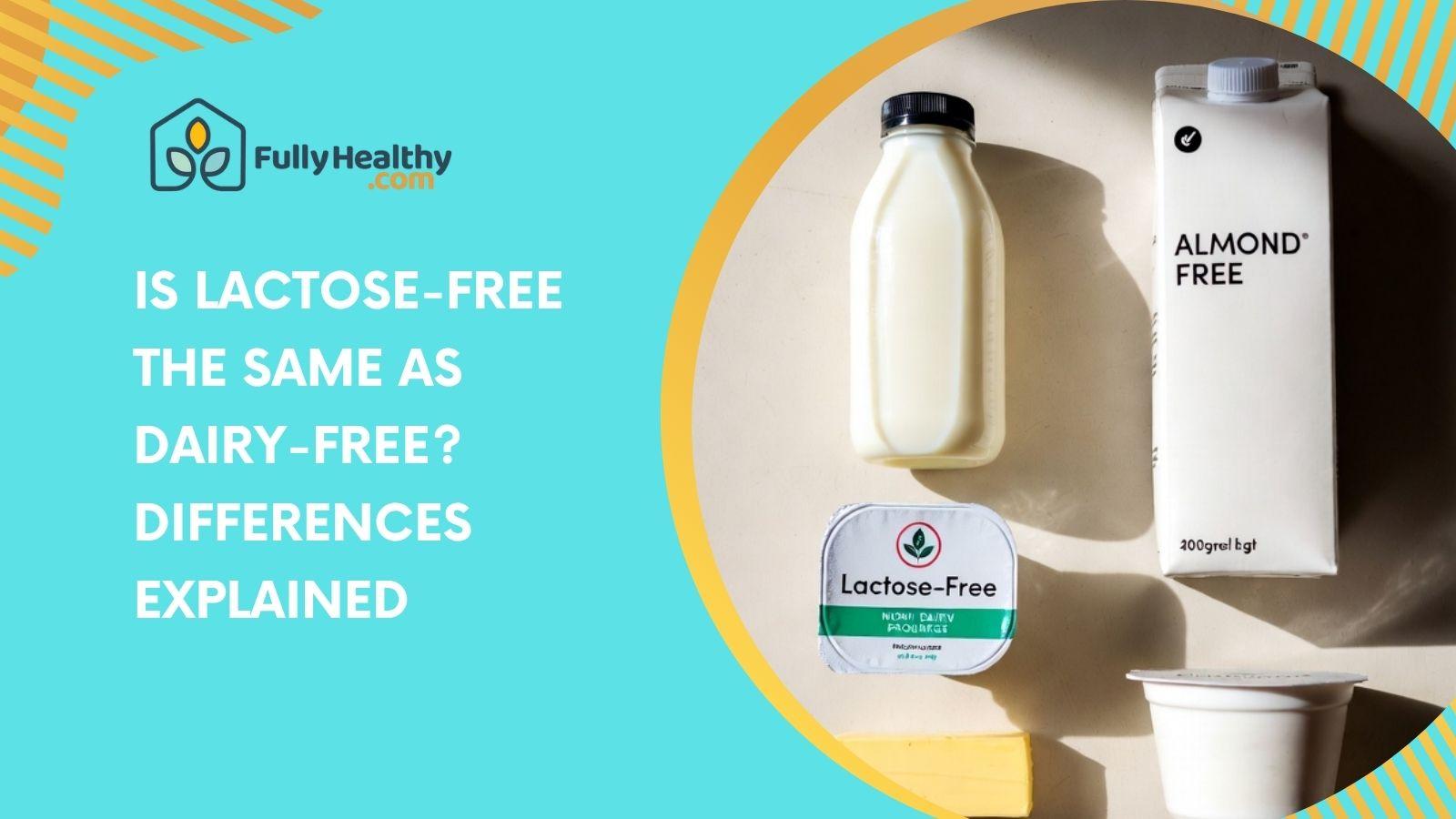
Is lactose-free the same as dairy-free? No. Lactose-free products still contain real dairy, but the lactose is removed or broken down to make digestion easier. Dairy-free products contain no milk or dairy ingredients at all.
Knowing the difference helps you choose the right foods for lactose intolerance, a milk allergy, or other dietary restrictions. This guide explains how each option works, who should choose it, and which foods are the best fit.
Is Lactose-Free the Same as Dairy-Free?
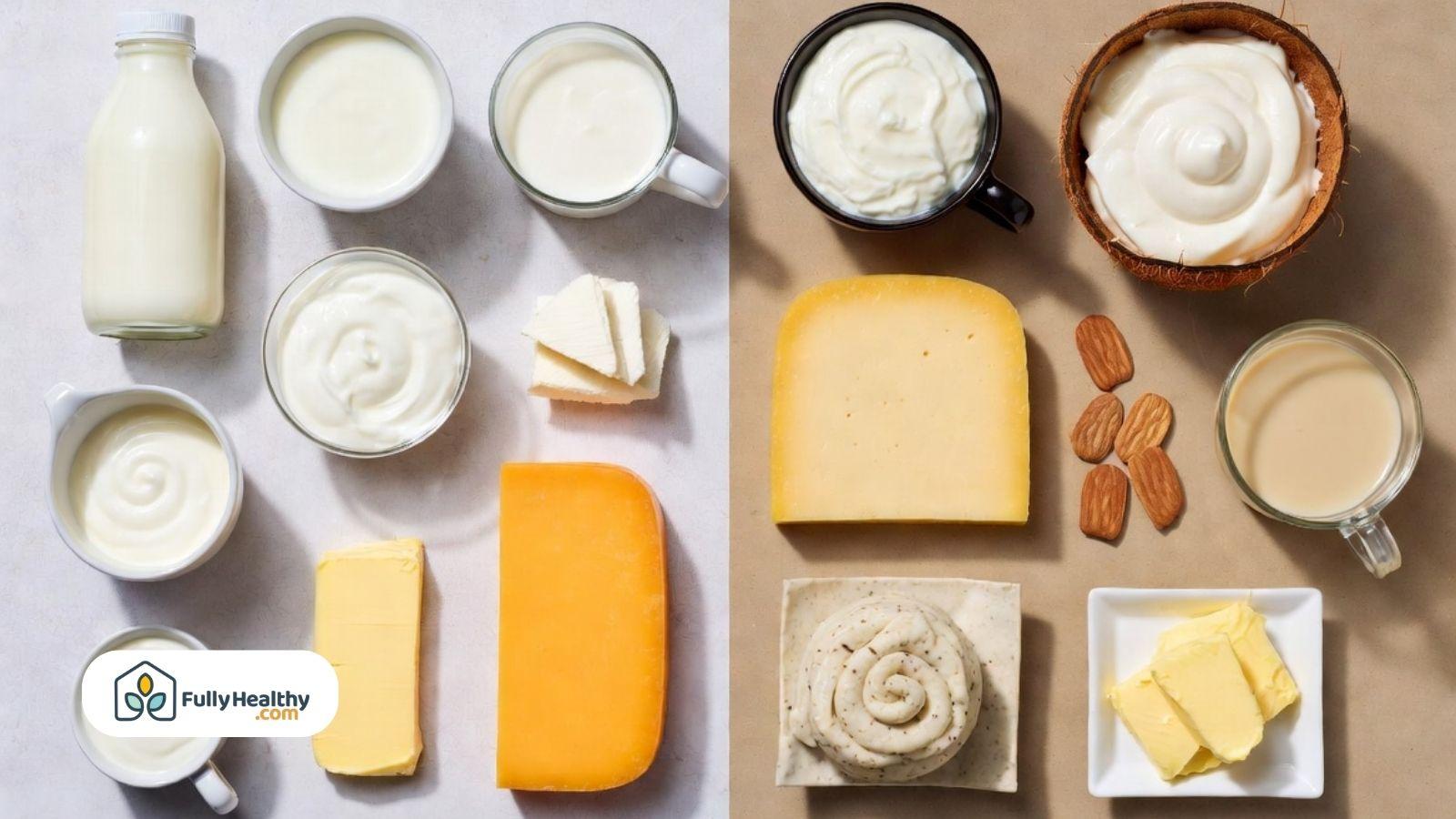
No. Lactose-free products still contain dairy, while dairy free products contain no milk or milk-derived ingredients. They are designed for different dietary needs.
Difference Between Lactose-Free and Dairy-Free
Lactose-free products are still made from animal milk, but the lactose is removed or broken down to make digestion easier. Dairy-free products contain no animal milk or dairy ingredients and are made using plant-based alternatives such as oats, almonds, or soy.
| Feature | Lactose-Free | Dairy-Free |
|---|---|---|
| Source | Real dairy | No dairy ingredients |
| Contains Lactose | Very little or none | No |
| Contains Milk Proteins | Yes | No |
| Suitable for Lactose Intolerance | Yes | Yes |
| Suitable for Milk Allergy | No | Yes |
| Examples | Lactose-free milk, lactose-free cheese, lactose-free yogurt | Dairy-free milk, oat milk, almond milk, soy milk |
-
Source: Lactose-free dairy comes from regular cow's milk, while dairy-free products contain no dairy ingredients.
-
Production: The enzyme lactase breaks lactose into glucose and galactose, making lactose-free dairy easier to digest for people with lactose malabsorption.
-
Milk Proteins: Lactose-free dairy products still contain casein and whey because removing lactose does not remove milk proteins.
-
Best Choice: Lactose-free dairy options suit people with lactose intolerance, while dairy-free substitutes suit people with a dairy allergy or those who avoid dairy.
-
Nutrition: Lactose-free milk provides protein, calcium, and vitamin D similar to regular milk, while dairy-free products vary based on their ingredients.
Understanding Lactose Intolerance and Milk Allergy
Lactose intolerance is a digestive issue, while a milk allergy affects the immune system. Lactose intolerance results from lactose malabsorption, usually caused by low lactase activity in the small intestine. Dairy allergy develops when the immune system reacts to proteins found in milk products.
-
Lactose Intolerance: Lactose reaches the large intestine without being fully digested, which can cause bloating, gas, and stomach discomfort.
-
Milk Allergy: Milk proteins trigger an immune response, making lactose free milk and other lactose free dairy products unsuitable.
-
Different Diets: A lactose-free diet reduces lactose, while a dairy-free diet removes all dairy products and milk derivatives.
-
Common Symptoms: Lactose intolerance mainly causes digestive symptoms such as gas, bloating, diarrhea, nausea, and abdominal pain, while milk allergy may cause skin, digestive, respiratory, or life-threatening reactions
-
Medical Advice: Persistent symptoms after consuming dairy foods should be evaluated by a healthcare professional.
What Foods Are Naturally Lactose-Free?
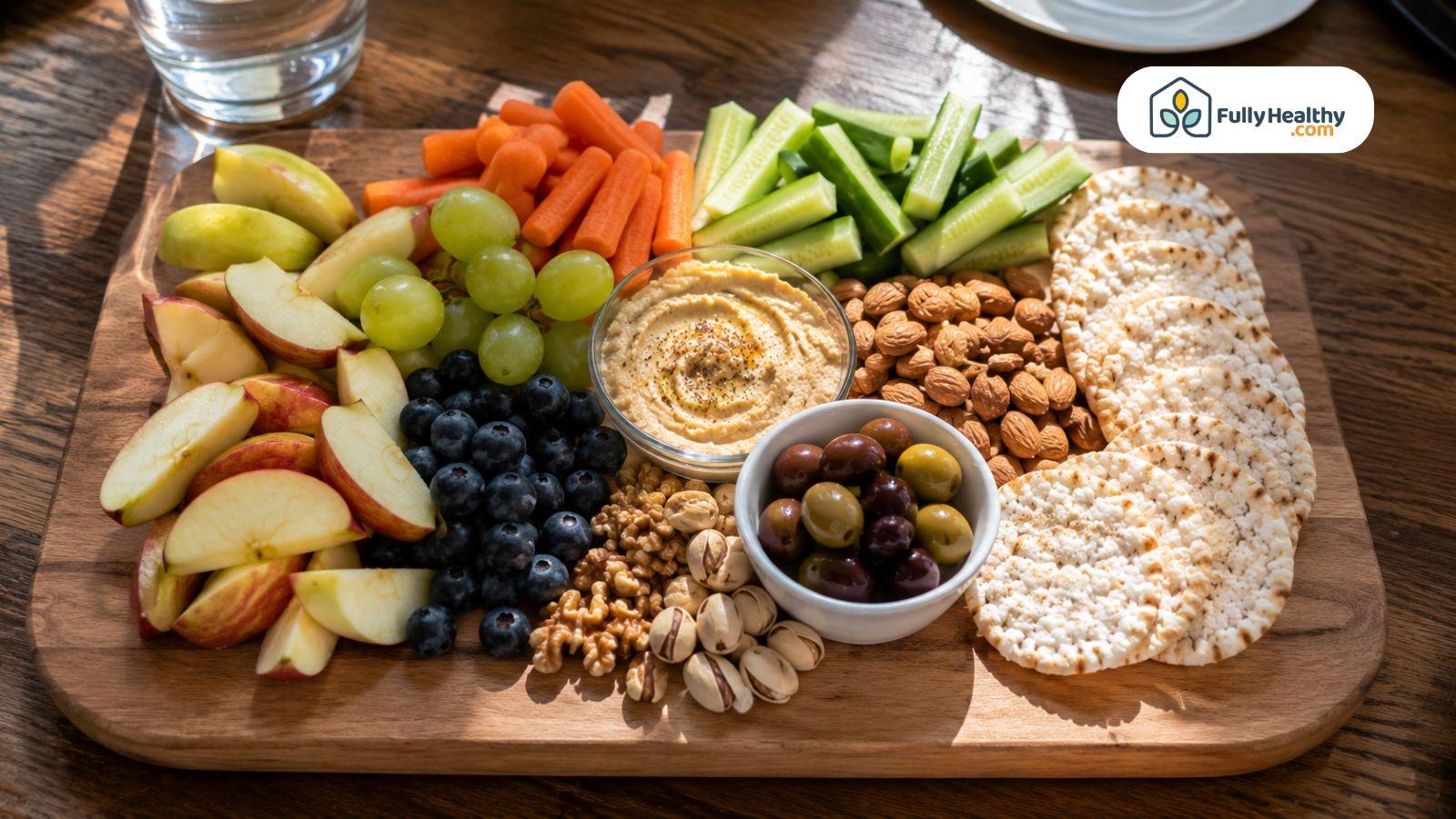
Fruits, vegetables, grains, legumes, meat, poultry, fish, eggs, nuts, and seeds are naturally lactose free because they contain no milk or dairy ingredients.
Naturally Lactose-Free Foods to Enjoy
Whole foods fit into a lactose-free diet because they contain no lactose or dairy. Pairing these foods with lactose free options or plant based milks creates balanced meals for everyday nutrition.
-
Fresh Produce: Fruits and vegetables provide fiber, vitamins, and minerals without dairy.
-
Protein Sources: Chicken, beef, fish, eggs, beans, lentils, and tofu contain no lactose.
-
Whole Grains: Rice, oats, quinoa, and corn fit naturally into a lactose free diet.
-
Healthy Fats: Avocados, olive oil, nuts, and seeds contain no dairy ingredients.
-
Drink Options: Oat milk, almond milk, soy milk, and coconut milk replace dairy milk in coffee, cereal, smoothies, and other recipes.
Foods That May Contain Hidden Lactose
Packaged foods can contain lactose even when dairy is not listed on the front label. Reading ingredient lists helps you spot hidden sources before buying or eating a product.
-
High-Lactose Foods: Regular milk, regular yogurt, cream cheese, cottage cheese, sour cream, and ice cream contain higher lactose content.
-
Low-Lactose Foods: Aged cheeses contain less lactose because the fermentation process naturally reduces the sugar.
-
Packaged Foods: Bread, soups, sauces, breakfast cereals, chocolate, and protein powders may contain dairy based ingredients.
-
Ingredients to Watch: Milk solids, whey, milk powder, and lactose all indicate the product contains milk.
-
Easy Alternative: Clearly labelled lactose-free products help cut down accidental lactose intake.
What to Eat on a Dairy-Free Diet?
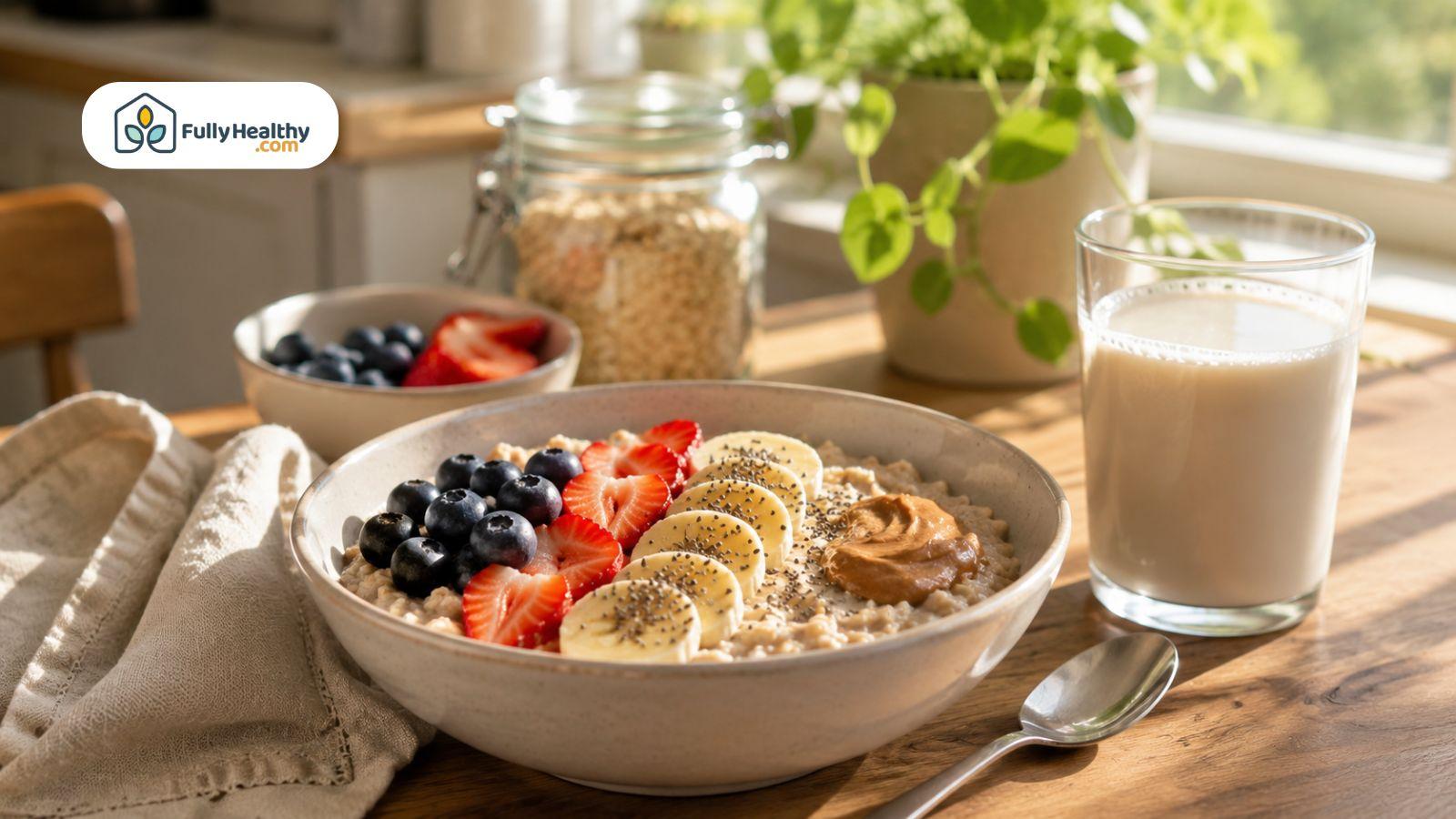
A dairy-free diet includes foods made without milk, milk proteins, or milk derivatives. Whole foods and fortified alternatives give you balanced nutrition without dairy.
Dairy-Free Foods to Include Every Day
A dairy-free diet combines naturally dairy-free foods with fortified alternatives that replace nutrients found in dairy milk. This supports protein intake, vitamin D, and calcium while helping you avoid dairy.
-
Whole Foods: Fruits, vegetables, grains, beans, lentils, nuts, seeds, herbs, and spices contain no dairy.
-
Milk Alternatives: Oat milk, almond milk, soy milk, and coconut milk are popular dairy free milk choices.
-
Protein Sources: Fish, poultry, eggs, tofu, and legumes support muscle growth without dairy.
-
Fortified Products: Fortified dairy-free products can provide calcium and vitamin D similar to dairy milk.
-
Everyday Meals: Dairy-free substitutes work well in smoothies, soups, sauces, oatmeal, and other recipes.
Dairy Ingredients to Avoid
Ingredient labels matter because dairy shows up under different names. Knowing these terms helps you choose foods that fit a dairy free diet with confidence.
-
Milk Proteins: Casein, whey, caseinate, and milk protein concentrate all come from dairy.
-
Dairy Foods: Cheese, butter, cream cheese, sour cream, cottage cheese, yogurt, and dairy milk all contain milk.
-
Hidden Ingredients: Milk solids, milk powder, butterfat, and other milk derivatives get added to packaged foods.
-
Packaged Products: Chocolate, baked goods, sauces, salad dressings, instant meals, and protein powders may contain dairy based ingredients.
-
Shopping Tip: Read both the ingredient list and the allergy statement before you buy dairy free products.
Should I Choose Lactose-Free or Dairy-Free?

Choose lactose free if you have lactose intolerance. Choose dairy free if you have a milk allergy, avoid dairy, or do not consume animal products.
Choosing the Right Diet for Your Health Needs
The right choice depends on why you avoid milk products. A lactose free diet helps people digest lactose more comfortably, while a dairy-free diet removes every source of milk, including milk proteins that can trigger an allergic reaction.
-
Choose Lactose Free: Lactose-free milk, lactose-free cheese, lactose-free yogurt, and other lactose-free dairy products are suitable if you are lactose intolerant and can safely consume milk proteins.
-
Choose Dairy Free: Dairy-free products are the better option if you have a milk allergy because they contain no dairy ingredients or milk derivatives.
-
Choose Based on Lifestyle: A dairy-free diet also suits people following a vegan eating pattern or anyone who prefers to avoid dairy.
-
Consider Nutrition: Lactose-free dairy provides nutrients naturally found in real dairy, while fortified dairy free milk can supply calcium and vitamin D.
-
Get Professional Advice: Speak with a healthcare professional or registered dietitian if you are unsure which option best supports your health.
Making Confident Food Choices
Understanding food labels makes shopping easier and helps you choose products that fit your dietary restrictions. Comparing ingredients instead of relying only on front-label claims can also reduce confusion between lactose free and dairy free products.
-
Read Ingredient Lists: Check for milk solids, whey, casein, milk protein concentrate, and other milk derivatives if you need to avoid dairy.
-
Understand Product Labels: A lactose free label means the product still contains real dairy, while a dairy free label means it contains no milk ingredients.
-
Compare Nutrition: Select fortified dairy free milk if you need an alternative source of calcium, vitamin D, and other nutrients.
-
Plan Your Meals: Choose lactose free options or dairy free substitutes based on your dietary needs and favorite recipes.
-
Monitor Your Symptoms: Seek medical advice if digestive issues or allergic reactions continue after changing your diet.
Discover Specialty Foods at FullyHealthy
FullyHealthy makes specialty shopping simple by offering products for lactose free, dairy free, gluten free, and other dietary restrictions in one convenient place.
Why FullyHealthy Supports Specialty Diets
FullyHealthy helps people shop with confidence by offering carefully selected products that support different dietary needs. The store brings together trusted brands, making it easier to choose foods that match your lifestyle without spending extra time checking multiple stores.
-
Specialty Selection: Browse products that support lactose free, dairy free, gluten free, grain free, paleo, and other eating plans.
-
Trusted Brands: Shop brands that focus on ingredient quality and clear product information.
-
Convenient Shopping: Purchase pantry staples, snacks, baking ingredients, and cooking essentials from one online store.
-
Diet-Friendly Choices: Product collections help shoppers quickly identify foods that match specific dietary restrictions.
-
Easy Navigation: Categories and filters simplify shopping for lactose free products, dairy free products, and other specialty foods.
Featured Dairy-Free Products
These dairy free products make it easier to enjoy everyday meals and snacks without milk ingredients. Each product supports dairy free eating while offering practical options for breakfast, baking, wraps, and pantry staples.
-
Lovebird Grain-Free O's Cereal Fruity 198g: A grain-free, dairy-free cereal made with simple ingredients for breakfast or snacking.
-
Eat G.A.N.G.S.T.E.R. Pumpkin Bread Mix 8.95 oz: A dairy-free baking mix that makes it easy to prepare flavorful pumpkin bread at home.
-
Coyotas Organic Cassava Tortillas Medium (6 Pack): Flexible dairy-free tortillas made from organic cassava for tacos, wraps, and quick meals.
-
NUCO Turmeric Coconut Wraps (5 Pack): Dairy-free coconut wraps with turmeric that work well for sandwiches, wraps, and light lunches.
-
Autoimmune H&N Paleo Perfection Pure Protein Powder 16 oz: A dairy-free protein powder formulated for smoothies, shakes, and recipes that fit specialty diets.
Final Thoughts
Is lactose-free the same as dairy-free? No, and choosing the right option depends on your health needs and dietary goals. Lactose-free products let people enjoy milk made from real milk if they can tolerate lactose, while dairy-free products remove all dairy ingredients. Comparing lactose-free vs dairy free options also helps you understand the nutritional benefits and choose foods that support weight loss when paired with a balanced diet. Use this guide to make confident food choices that fit your lifestyle.
FAQs
How Do I Tell If I'm Lactose Intolerant or Dairy Intolerant?
Lactose intolerance means your body cannot digest milk sugar. A milk allergy happens when your body reacts to milk proteins.
Are Eggs Dairy or Lactose?
No. Eggs are not dairy and contain no lactose. They come from birds, not milk, making them suitable for dairy-free and lactose-free diets.
Can You Still Eat Cheese If Lactose Intolerant?
Yes. People with lactose intolerance can often eat aged cheeses because they contain very little lactose after the cheesemaking and aging process.
Is Greek Yogurt Always Lactose-Free?
No. Greek yogurt is not always lactose-free, but it usually contains less lactose than regular yogurt because straining and live cultures reduce the milk sugar.
Is There a Downside to Lactose-Free Milk?
Lactose-free milk costs more than regular milk, tastes slightly sweeter, and still contains milk proteins, so it is not suitable for people with a milk allergy.
Leave a comment