

Is Lamb Healthier Than Beef? What Your Plate Needs
Is lamb healthier than beef? The answer depends on the cut, portion, and how often you eat it. Both meats give protein, iron, zinc, and vitamin B12, but fatty cuts can add more saturated fat.
Lean lamb may fit a healthy diet, but lean beef can too. This guide breaks down the real differences in nutrition, taste, cost, and health impact so you can choose the better option for your plate without guessing, with simple, factual tips today at home.
Featured Snack Pick
Wild Zora // Meat & Veggie Bar Mediterranean Lamb - 1 oz
Loading...
Is Lamb Healthier Than Beef?
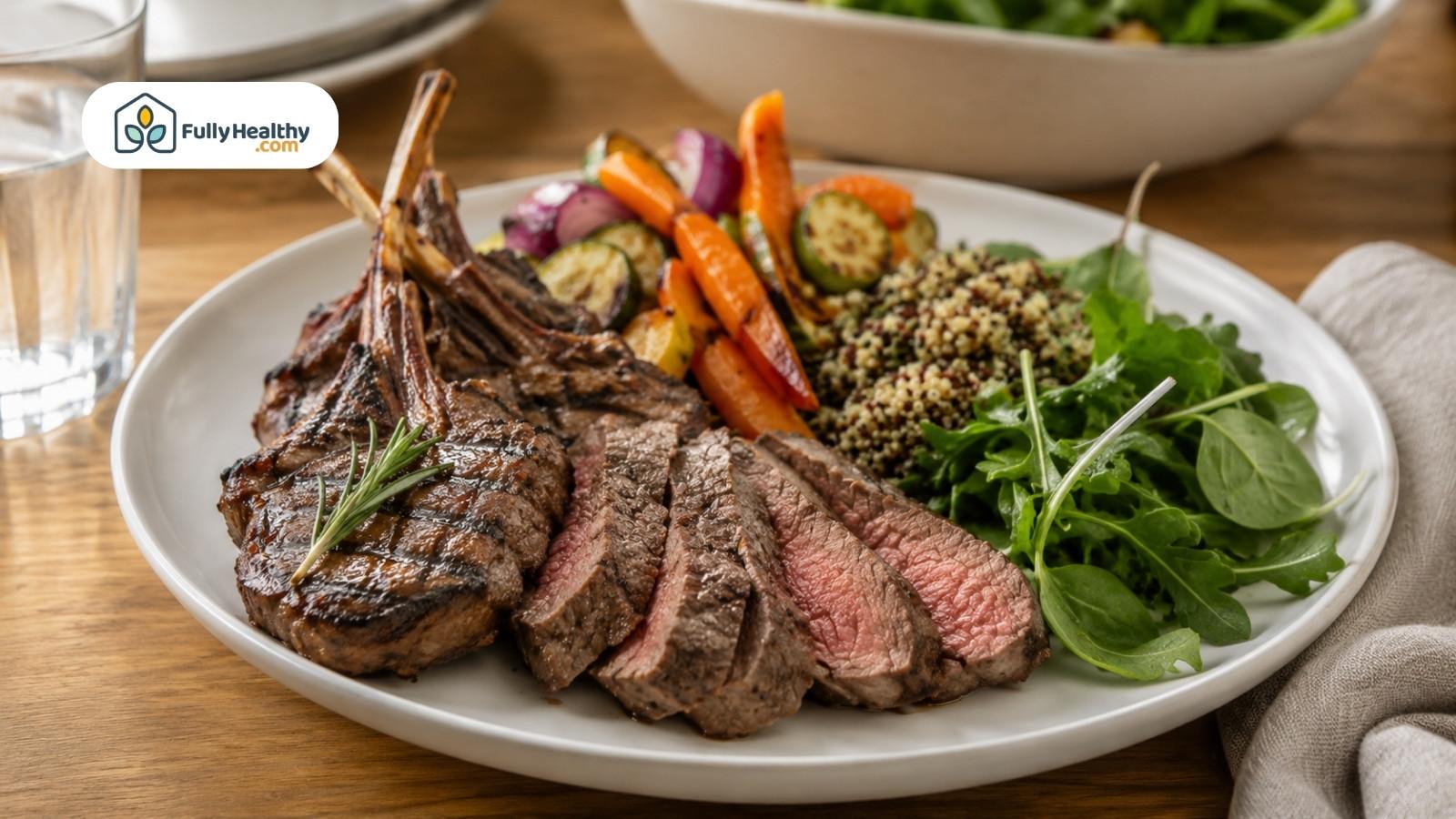
Is lamb healthier than beef? Sometimes, but not always. Lamb meat and lean beef can both fit into a healthy diet because both beef and both lamb provide protein, iron, zinc, and vitamin B12. The better choice depends on fat content, portion size, and cooking methods.
Is Lamb Healthier Than Beef? Is it Worth it?
When comparing lamb vs beef, the leanest option usually wins. Lean beef cuts, beef tenderloin, trimmed lamb chops, and cooked lamb with less visible fat can be better choices than fatty ground beef, ground lamb, ribeye steak, or lamb burgers.
-
Leanest pick: Choose lean cuts for fewer calories and less saturated fat.
-
Fat matters: Grass fed lamb and grass fed beef may offer helpful fatty acids.
-
Portion control: Eating lamb or beef is easier when servings stay moderate.
Lamb vs Beef Nutrition: What Really Changes?
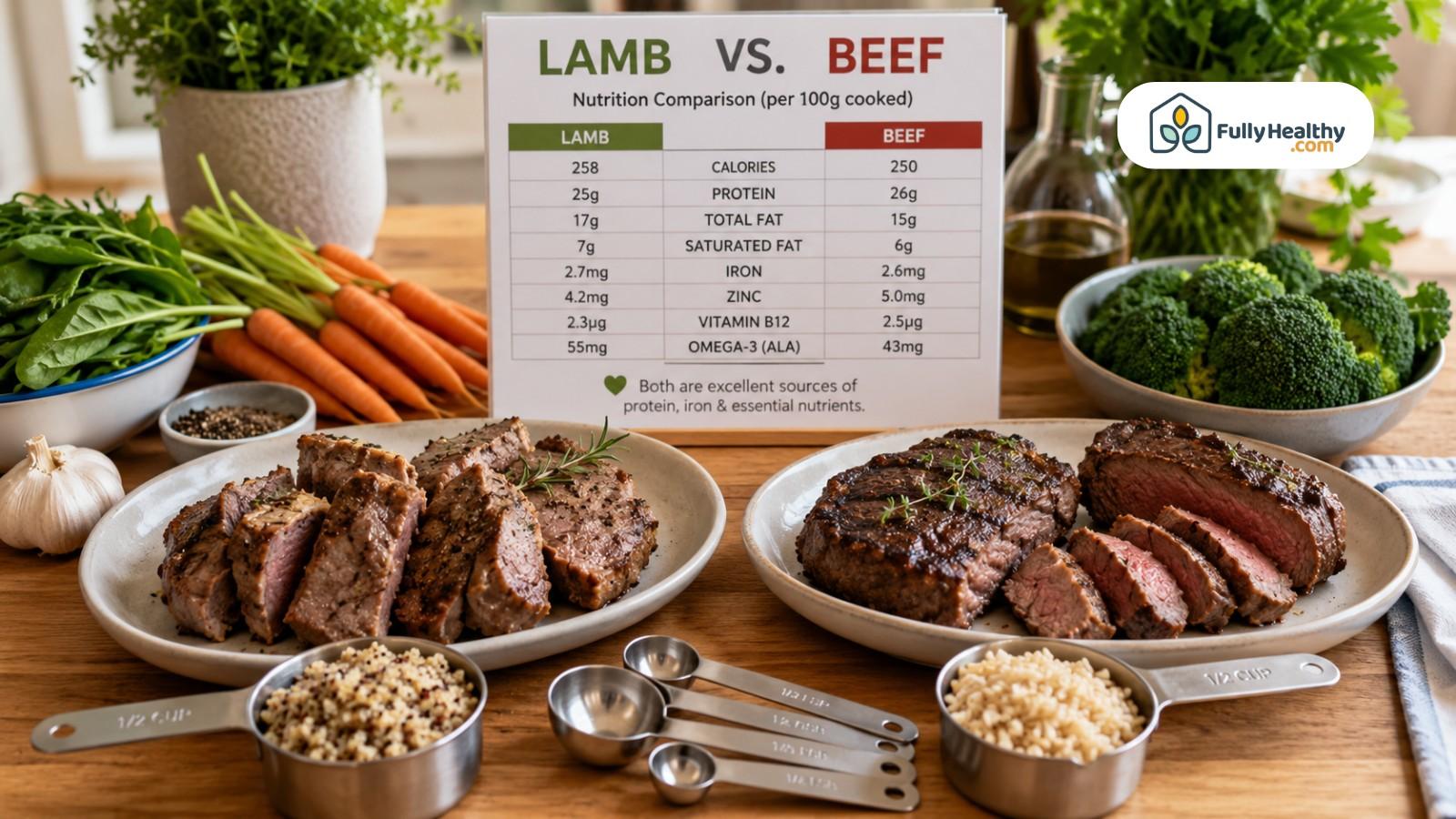
Beef nutrition and lamb nutrition are close, so comparing lamb by animal type can mislead readers. Both provide essential amino acids, the protein building blocks your body needs.
-
Better fats: Lamb may contain monounsaturated fat and conjugated linoleic acid.
-
Higher fat cuts: Higher-fat cuts and less-trimmed meats raise calories and saturated fat; feed type alone does not reliably determine whether lamb or beef is high fat.
-
Food safety: Cooking meat to safe temperatures helps reduce bacteria risk.
Is Lamb the Healthiest Meat to Eat?

Lamb can be healthy, but it is still red meat. Unprocessed red meat is different from processed meats, but it still needs balance. For better health benefits, pair lamb and beef with plant foods, grains, beans, and vegetables instead of making meat the meal.
Why Lamb Can Be a Nutrient-Dense Meat?
Lamb is sheep meat, and it gives the body protein, iron, zinc, selenium, and B vitamins. This makes it useful for muscle repair, energy, and blood health when portions are sensible.
-
Nutrient value: Lamb provides zinc, iron, selenium, and B vitamins; zinc contributes to normal immune function and iron supports oxygen transport.
-
Simple meals: Choose lamb with vegetables instead of heavy sauces.
-
Best use: Lamb healthier meals use grilled, roasted, or stewed lean portions.
Why Lamb Is Not Always the Healthiest Choice?
Lamb is not automatically healthier than beef because some cuts are high in saturated fat. A healthy protein pattern includes fish, poultry, eggs, beans, lentils, nuts, and other plant foods weekly.
-
Limit excess fat: Trim visible fat before cooking.
-
Watch frequency: Eating lamb daily may crowd out lighter proteins.
-
Choose wisely: Pick lean beef or lamb when weight loss is the goal.
Why Do Americans Not Eat a Lot of Lamb?
Americans eat more beef, chicken, and pork than lamb. Lamb is less familiar, pricier, and harder to find. Beef production has a large U.S. system, keeping beef visible at restaurants and supermarkets.
Beef, Chicken, and Pork Are More Familiar in the U.S.
Many families grew up cooking ground beef, steak, burgers, and roasts, not ground lamb or lamb chops. That habit makes lamb vs beef feel like a special meal, not a weekly choice.
-
Familiar flavor: Beef tastes milder to many shoppers.
-
Recipe habits: Ground beef appears in more meals.
-
Store access: Lamb may have fewer sizes and cuts.
Taste, Price, and Availability Shape Lamb Demand
Lamb has a richer, earthy taste, so some people need more time. Price also matters when shoppers are comparing lamb with grain fed beef or cheaper ground beef.
-
Flavor factor: Start with small servings if lamb tastes strong.
-
Smart trial: Choose lamb in stews, kebabs, or rice bowls.
-
Summary lamb: Lamb is nutritious, but budget and taste affect demand.
How Often Should You Eat Lamb?

Lamb can fit into a healthy diet, but it should not be an everyday meat for most people. Lamb comes from ruminant animals, just like beef. This means beef and lamb both count as red meat. The best choice depends on total fat, portion size, and the rest of your meals.
A Practical Weekly Lamb Serving Guide
For most adults, lamb is best in moderate amounts. Compare it with beef using the same serving size so you can judge the nutritional value fairly.
-
Portion size: Keep cooked lamb close to 3 to 4 ounces, then add vegetables, grains, beans, or plant based meals.
-
Nutrient density: Lamb gives essential nutrients like protein, zinc, vitamin B12, and heme iron.
-
Cooking method: Choose grilling, roasting, stewing, or pan searing instead of deep-frying or using heavy sauces.
-
Weekly balance: If you already eat beef based meals often, make lamb occasional so other protein sources can fit.
Who Should Eat Lamb Less Often?
Some people should be more careful with lamb, especially those watching heart health. Most lamb cuts can be healthy in small portions, but fatty cuts may have slightly higher saturated fat.
-
Heart concerns: People with heart disease, high LDL cholesterol, or poor cardiovascular health should choose lean cuts.
-
Cancer risk: Eating too much red meat may raise cancer risk, so keep lamb within total red-meat limits.
-
Buying meat: Look for trimmed, lean, or pasture raised lamb when available, but still watch the serving size.
-
Better pattern: Let lamb and beef fit into a varied diet with fish, poultry, eggs, plant proteins, and whole foods.
How FullyHealthy Can Help With Lamb and Beef Options
FullyHealthy can help shoppers find foods that match special diets. It is useful when buying meat snacks, quick meals, or simple seasoning. Still, always read labels because ingredients and product details can change.
FullyHealthy Makes Specialty-Diet Shopping Easier
FullyHealthy organizes foods for people with different diet needs. This can save time if you want lamb, beef, or seasoning options without checking many stores.
-
Diet filters: You can browse by needs like AIP, gluten-free, paleo, keto, vegan, and low-FODMAP.
-
Convenient choices: Packaged items can help during work, travel, or busy days when fresh cooking is hard.
-
Meal balance: Pair meat products with vegetables, fruit, grains, or other whole-food sides.
-
Flavor variety: Lamb is common in the Middle East and other cuisines, so seasoning can make it easier to enjoy.
FullyHealthy Products to Consider for Lamb, Beef, and Seasoning
Only mention products that FullyHealthy carries. These options can support convenience, but they should not replace balanced meals.
-
Wild Zora Mediterranean Lamb Bar: This 1 oz meat and veggie bar is a portable lamb snack.
-
Wild Zora Harvest Beef Quick Quinoa Meal: This 3 oz meal has beef, mushrooms, garlic, oregano, and quinoa.
-
Truly AIP All Purpose Seasoning: This 10.4 oz seasoning can add flavor to simple meat dishes.
Final Thoughts
Is lamb healthier than beef? It depends on the cut, portion, and cooking method. Both meats provide complete proteins, iron, zinc, and vitamin B12, so either can support meals when eaten in balance.
Lamb may contain oleic acid and useful nutrients, but fatty cuts can raise total fat. Beef can also fit a healthy plate when you choose lean cuts. The main risk comes from high consumption of red meat, especially if it replaces fish, beans, vegetables, and whole grains.
For better heart health, limit oversized servings, avoid heavy charring that can form polycyclic aromatic hydrocarbons, and cook with simple methods. Choose variety, add plant foods, and enjoy lamb or beef as part of a smart diet each week safely.
FAQs
Is Lamb Better Than Beef For a Low Carb Diet?
Yes, lamb and beef can both fit a low carb diet because they have very little carbohydrate and offer complete proteins.
Can Lamb Give You More Energy?
Lamb may help support more energy because it contains protein, iron, zinc, and vitamin B12, which help the body use food well.
Does Eating Lamb Affect Cardiovascular Disease Risk?
Lamb may affect cardiovascular disease risk if eaten in high consumption, especially when fatty cuts replace lean proteins and plant foods.
Is Oleic Acid Found in Lamb?
Yes, lamb can contain oleic acid, a type of monounsaturated fat also found in foods like olive oil.
Is Grilled Lamb Always Healthy?
Not always, because very high-heat grilling or heavy charring can form polycyclic aromatic hydrocarbons, so gentle cooking is a better choice.
Leave a comment