

Is Vinegar Flammable? Real Fire Risk Explained Clearly
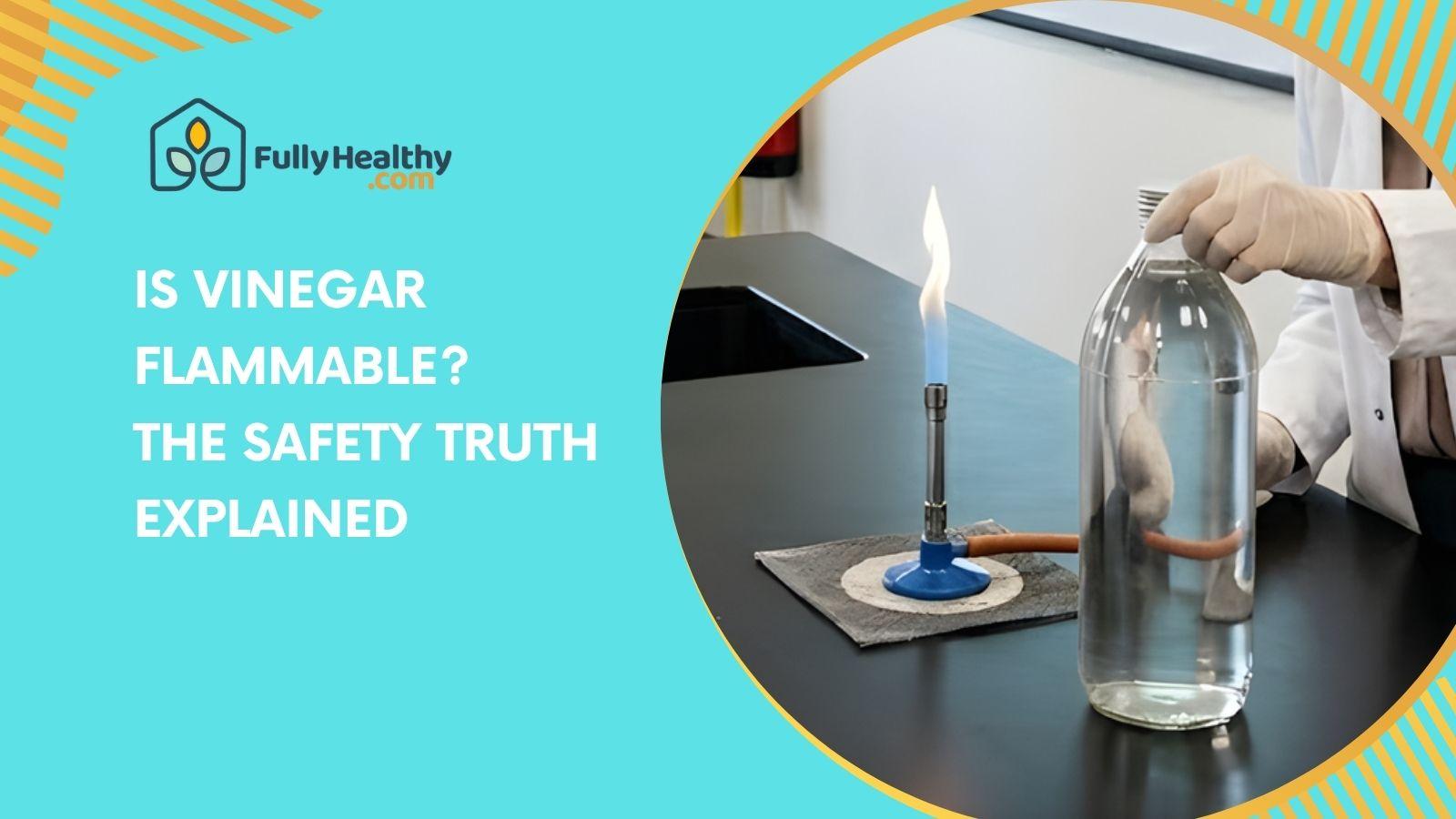
Is vinegar flammable? Household vinegar does not catch fire because it is mostly water with a small amount of acetic acid. The real danger only comes up with highly concentrated types, like glacial acetic acid, which act in a very different way.
This article talks about how to use vinegar safely at home, the risk of fire, and what happens when you mix it with other chemicals.
Featured Wellness Pick
Bragg // Organic Apple Cider Vinegar with The Mother - 16 oz
Loading...
Can Vinegar Get on Fire?
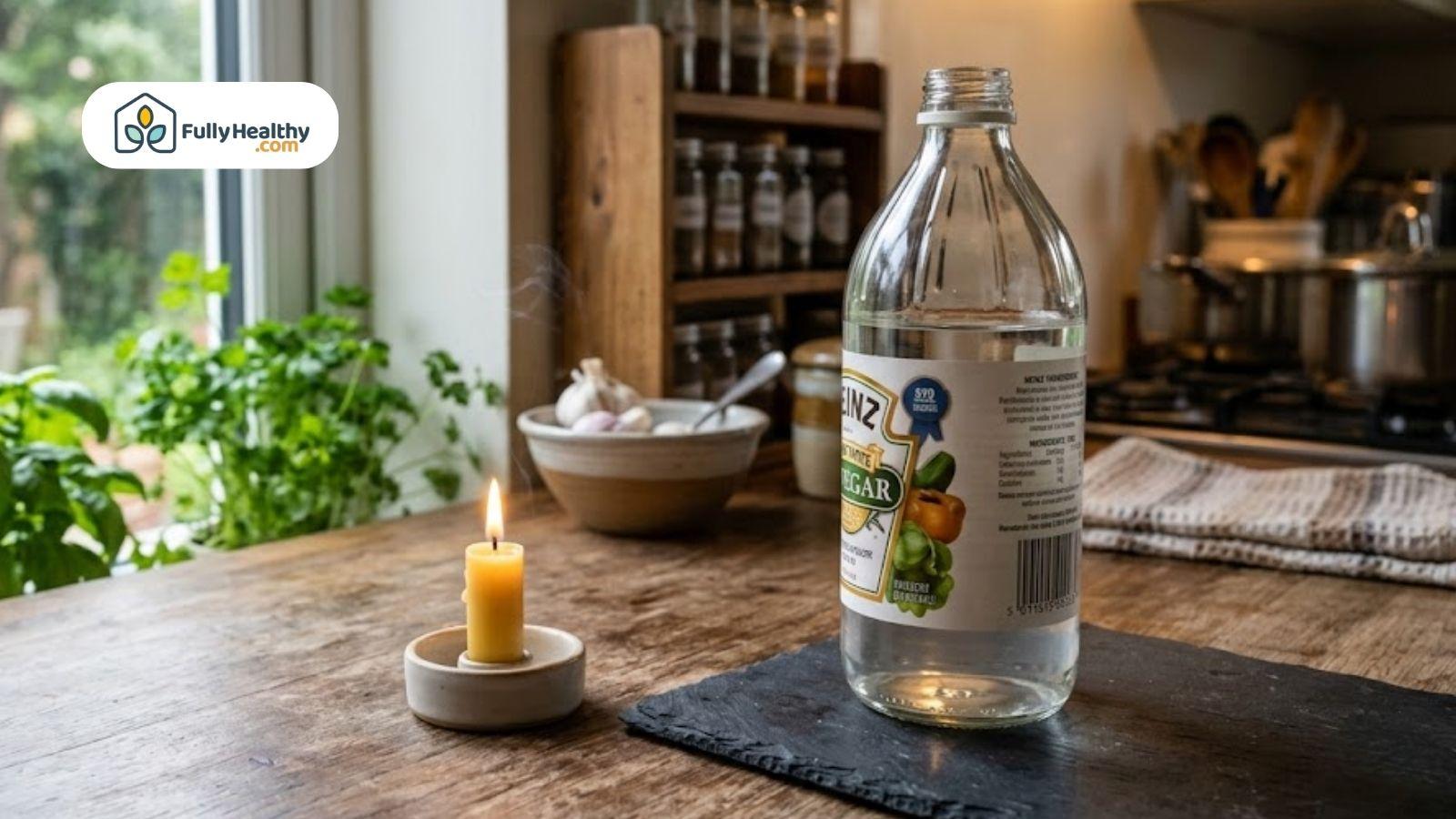
The fire risk of vinegar depends on its chemistry and concentration. Household vinegar behaves very differently from concentrated forms of acetic acid.
Why Household Vinegar Does Not Burn
Household vinegar does not get on fire because it contains a high amount of water with small amounts of acetic acid, which prevents ignition. Diluted vinegar does not meet the conditions needed for a substance to burn.
-
Composition: Household vinegar contains about 95% water and 5% acetic acid, reducing flammability.
-
Dilution Effect: Water lowers the chance of burning and controls heat absorption during exposure.
-
Safe Use: Cooking, cleaning, and food preparation with vinegar do not create a fire risk.
-
Chemical Stability: The mixture remains stable even in hot environments without ignition.
-
Low Concern: Small amounts used daily are not considered dangerous chemicals.
When Acetic Acid Becomes a Fire Hazard
The fire risk changes when acetic acid concentration increases, especially with glacial acetic acid used in industrial processes. High concentrations introduce flammable behavior and require strict safety control.
-
High Concentrations: Concentrated acetic acid above 90% becomes flammable under certain conditions.
-
Flash Point: Glacial acetic acid has a flash point near 39°C, meaning it can ignite with heat.
-
Corrosive Substance: This form can cause severe chemical burns and severe skin burns on contact.
-
Safety Data Sheet: Manufacturers list handling rules due to fire and exposure risks.
-
Key Difference: Household vinegar is diluted, while glacial forms pose real fire hazards.
Can Baking Soda and Vinegar Cause a Fire?
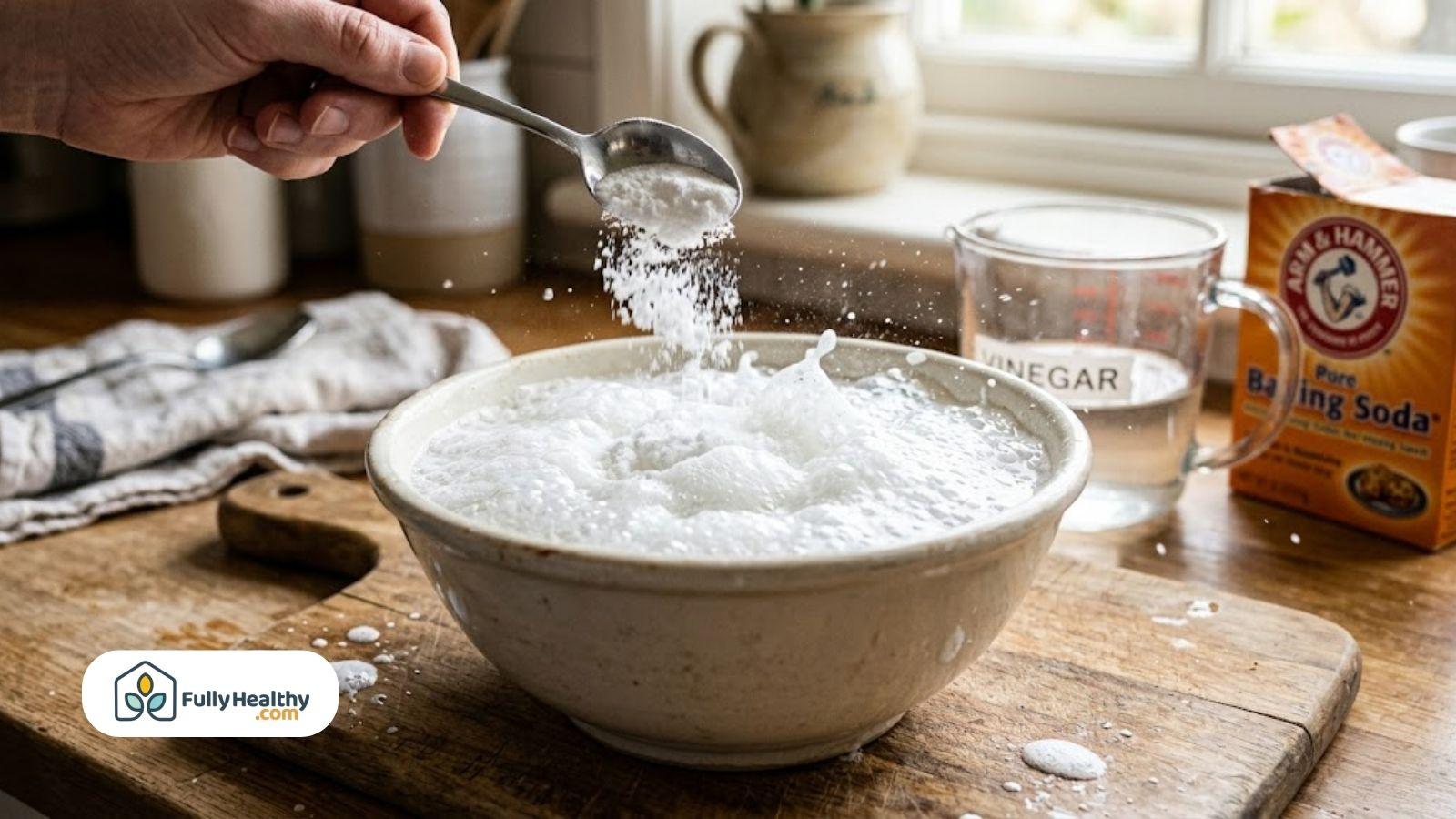
This combination is often tested in experiments, leading to confusion about its safety. The reaction is safe and does not produce fire.
What Happens During the Reaction
Baking soda and vinegar do not cause a fire because the reaction produces carbon dioxide gas, not a flammable substance. When mixed, they create bubbles and foam without generating flame or dangerous heat.
-
Chemical Process: The acid reacts with baking soda to form carbon dioxide gas.
-
Gas Release: CO₂ appears as bubbles and creates pressure in a closed container.
-
Mild Heat: The reaction may feel warm but does not reach burning levels.
-
Neutralize Effect: The mixture reduces acidity and becomes less reactive overall.
-
Common Example: School experiments use this safe reaction to demonstrate chemistry.
Why This Reaction Does Not Start Fires
The presence of carbon dioxide prevents flames because it removes oxygen needed for combustion. This makes the mixture useful in small fire control situations.
-
Fire Suppression: CO₂ is used in extinguishers to stop flames.
-
No Flammable Output: The reaction produces no flammable chemicals or gases.
-
Cooling Effect: The mixture helps reduce heat during small fires.
-
Safe Combination: Vinegar and baking soda do not create dangerous fire risk.
-
Practical Use: Some demonstrations show putting out small flames using this reaction.
What Not to Mix With White Vinegar?

Vinegar is useful for cleaning, but mixing it with other chemicals can create serious safety hazards. Knowing these combinations helps prevent exposure and injury.
Dangerous Chemical Combinations to Avoid
Mixing vinegar with certain substances can create toxic gases or highly corrosive compounds. These reactions can harm the skin, throat, and eyes.
-
Bleach: Produces chlorine gas, which can cause eye damage and breathing problems.
-
Hydrogen Peroxide: Forms peracetic acid, a corrosive substance that irritates skin and lungs.
-
Ammonia: Creates harmful fumes that affect the throat and respiratory system.
-
Castile Soap: Causes curdling and reduces cleaning effectiveness.
-
Exposure Risk: These combinations increase the chance of severe chemical burns.
Surfaces and Materials Vinegar Can Damage
Even though vinegar is safe for many uses, it can break down certain materials over time. Its acidic nature leads to corrosion or surface damage.
-
Natural Stone: Marble and granite can become dull and etched.
-
Hardwood Floors: The finish may degrade, leaving cloudy marks.
-
Rubber Parts: Vinegar can weaken seals in appliances during cleaning.
-
Metals: Aluminum and copper may corrode with repeated contact.
-
Long-Term Effect: Frequent use can increase damage on sensitive surfaces.
Why Are People Spraying Their Porch With Vinegar?
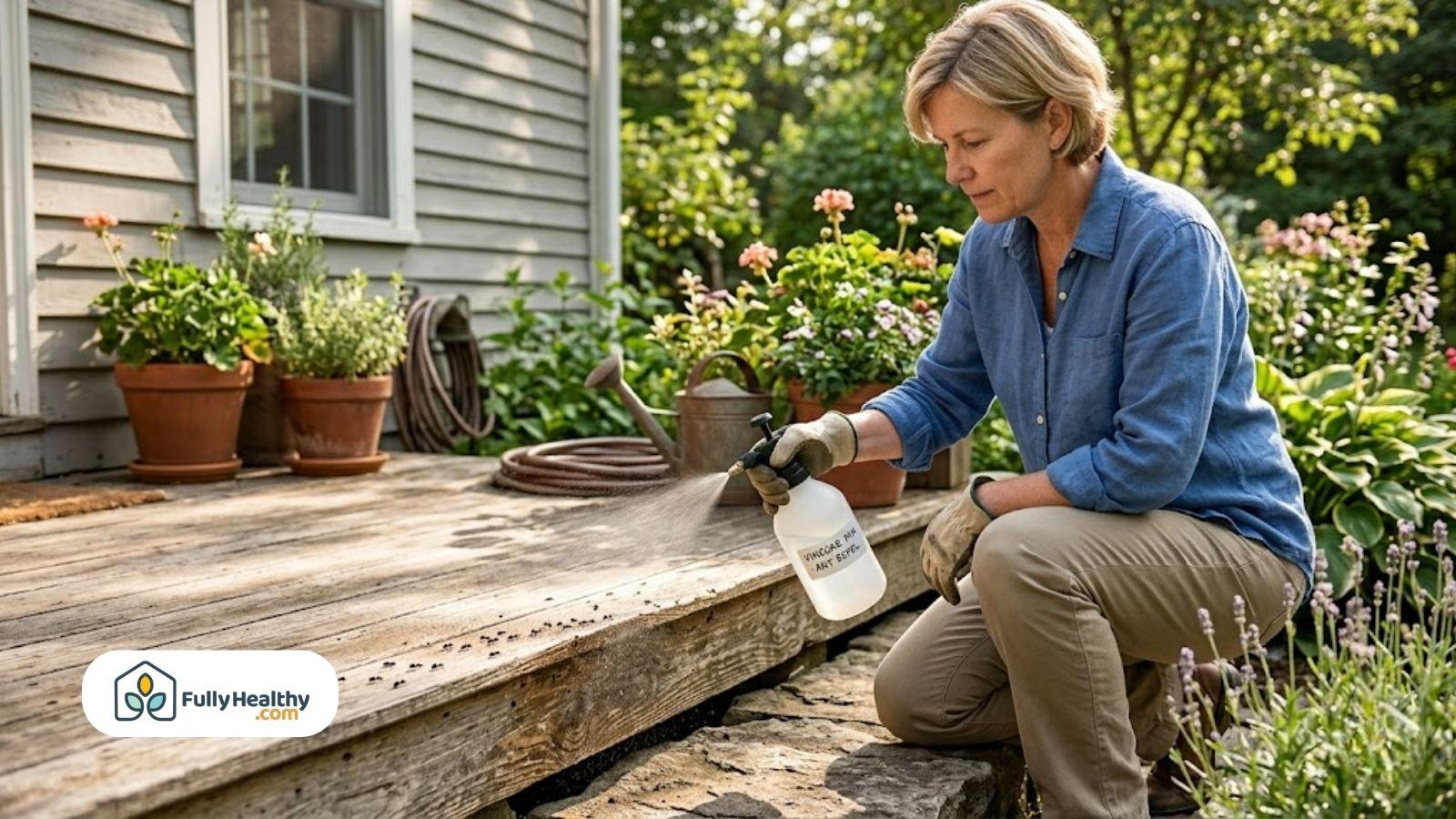
Vinegar is widely used outdoors as a simple solution for pest control and cleaning. Its strong smell and acidic nature make it effective without introducing harmful chemicals.
How Vinegar Works as a Natural Pest Repellent
Animals that use scent trails to find food and move around are especially affected by the smell of vinegar. Therefore, vinegar is a good and safe choice for basic outdoor control.
-
Scent Disruption: Vinegar breaks ant trails, stopping them from returning to the same path.
-
Strong Smell: The odor repels spiders and insects without using toxic chemicals.
-
Natural Solution: It avoids harmful exposure compared to synthetic pest control chemicals.
-
Quick Results: Spraying directly on entry points helps reduce insect activity fast.
-
Safe Around Food Areas: It can be used near outdoor eating spaces with minimal concern.
Safe Ways to Use Vinegar Outdoors
A diluted mixture helps reduce risk while maintaining effectiveness, especially when used regularly. Proper application ensures safe handling and avoids damage to surfaces.
-
Mix Ratio: Combine vinegar and water in a 1:1 solution for outdoor use.
-
Application Areas: Spray around doorways, porch edges, and cracks where insects enter.
-
Avoid Overuse: High concentration can affect plants or nearby materials.
-
Routine Use: Reapply after rain or cleaning to maintain control.
-
Storage: Keep bottles sealed and stored safely to avoid spills or exposure.
About FullyHealthy Vinegar Products
FullyHealthy offers curated vinegar products designed for food use and natural living. These products focus on quality ingredients and safe consumption.
What FullyHealthy Offers
The online store features a selection of vinegar options that support everyday cooking and wellness routines. These products are commonly used in foods, fermentation, and simple cleaning applications.
-
Clean Ingredients: Products emphasize natural sources and minimal processing.
-
Versatile Use: Suitable for cooking, cleaning, and basic household tasks.
-
Trusted Sources: Products are selected from known manufacturers.
-
Safe Consumption: Designed for food-grade use in small amounts.
Popular Vinegar Products You Can Try
Different types of vinegar offer unique flavors and uses, depending on the process and ingredients. These options are commonly available on FullyHealthy.
-
Bragg Organic Apple Cider Vinegar With The Mother: Contains “the mother” and is widely used in foods and daily health routines.
-
Napa Valley Naturals Champagne Vinegar: Mild and smooth flavor suited for salads and light cooking.
-
Eden Foods Ume Plum Vinegar: Strong, salty profile often used in specialty dishes and seasoning.
-
Bragg Organic Citrus Ginger Apple Cider Vinegar: Blended with citrus and ginger for added flavor in recipes and drinks.
Final Thoughts
When used in the home, vinegar isn't a big deal because it stays diluted and stable. But when dealing with acetic acid at different concentrations, it's important to be aware. Most of the time, risks come from using concentrated acetic acid for industrial jobs, not every day.
Vinegar comes from fermentation of alcohol and works as a substitute in foods and cleaning, so responsible use keeps safety within a limited ra
FAQs
Can vinegar ignite?
No, household vinegar does not ignite because water lowers flammability, but high concentrations of acetic acid can create a fire risk under heat and exposure.
Can baking soda and vinegar put out a fire?
Yes, baking soda and vinegar create carbon dioxide during a chemical process, which helps control fire by reducing oxygen in the mixture.
What is the shelf life of vinegar?
Vinegar has a long shelf life due to its acidic nature, and fermentation keeps it stable even after opening when stored properly.
Is glacial acetic acid flammable?
Yes, glacial acetic acid is flammable with a flash point around 39°C to 40°, and it acts as a corrosive substance that can cause severe chemical burns and severe skin burns.
What is ethanoic acid?
Ethanoic acid is another name for acetic acid, a chemical used in vinegar, where low concentration is safe but high concentration becomes corrosive and dangerous.
Leave a comment