

What Cereal Is Good for Diabetics? Best Breakfast Choices

What cereal is good for diabetics? The best choices are high fiber, low sugar breakfast cereals made with whole grain ingredients like oats, bran, and seeds. These cereals digest slower, which may help support steadier blood sugar during the morning.
This guide explains the best cereal types, healthier milk choices, portion tips, and balanced breakfast ideas for people with diabetes who still want an easy and satisfying bowl of cereal.
Featured Breakfast Pick
Lovebird // Rise and Fly Honey Cereal - 7 oz
Loading...
Which Cereals Are Best for Diabetics?
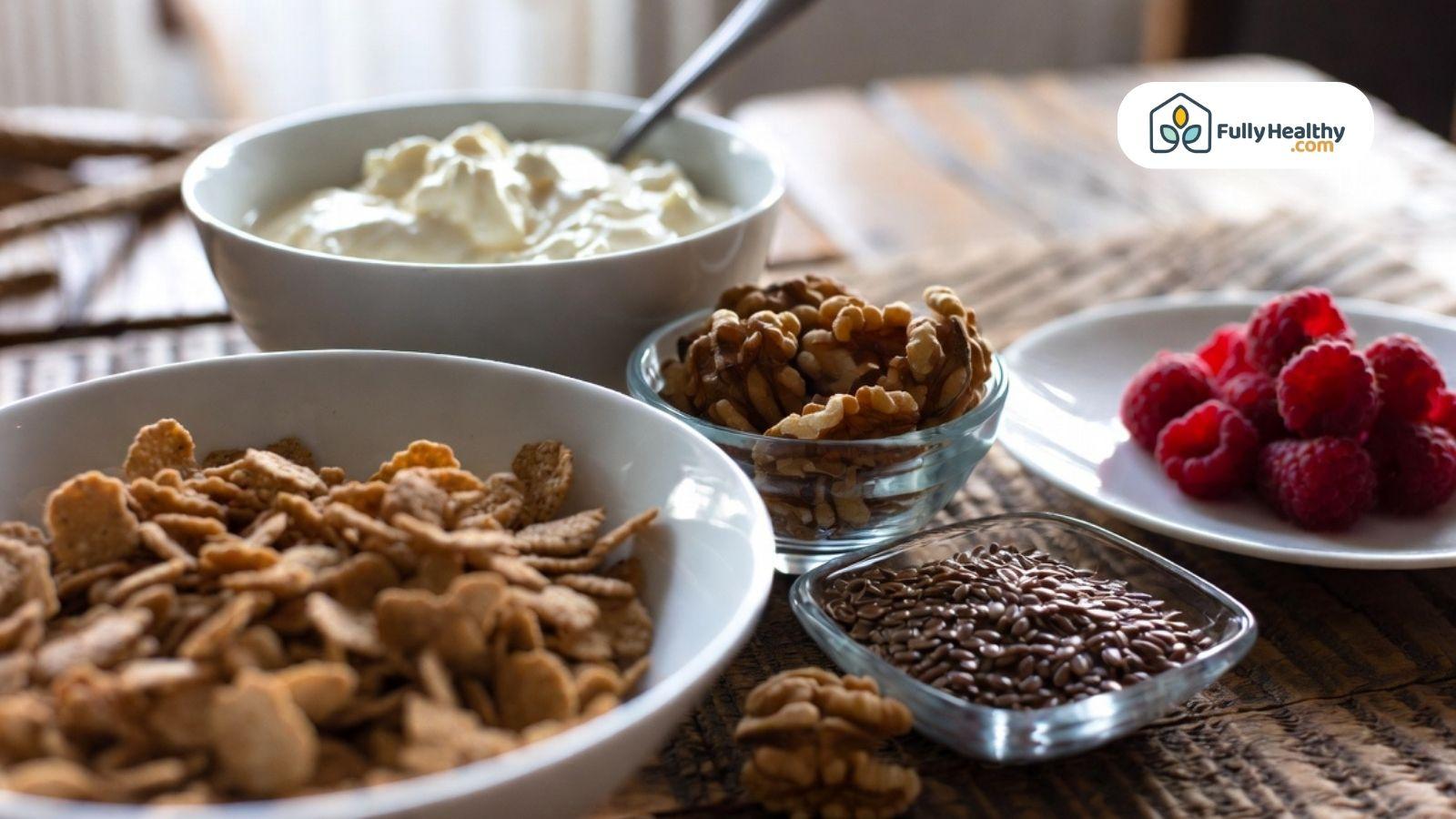
People with diabetes can still enjoy cereal during breakfast if they choose cereals with more fiber, protein, and whole grain ingredients. The best cereal choices usually contain less added sugar and support steadier blood sugar during the morning.
High-Fiber Whole Grain Cereals Support Steadier Blood Sugar
The best cereal for diabetics is usually high in fiber, low in added sugar, and made with whole grain ingredients. High fiber breakfast cereals help slow digestion and glucose absorption, which may support steadier blood sugar after eating.
-
Whole Grain Choices: Oats, bran flakes, sprouted grains, wild rice flakes, and oatmeal usually contain more fiber and nutrients than refined grains.
-
Hot Cereal Options: Plain hot cereal like oatmeal often has a lower glycemic response than sugary cold cereal products.
-
Cold Cereal Options: Unsweetened muesli, puffed rice, and wheat bran cereals may support healthy eating with proper portion size.
-
Healthy Toppings: Chia seeds, walnuts, berries, frozen fruit, and nut butter add healthy fats, protein, and more fiber.
-
Blood Sugar Support: Low glycemic index foods digest slower and may help reduce sharp glucose spikes after breakfast.
What to Look for on a Diabetes-Friendly Nutrition Label
Nutrition labels help people choose cereals with lower sugar, balanced carbohydrates, and better fiber content. Reading food labels carefully may also help reduce more calories and avoid highly processed foods during breakfast.
-
Fiber Content: Choose cereals with at least 3 grams of fiber per serving, and aim for 5 grams or more when possible.
-
Added Sugar: Choose cereals with little or no added sugar, ideally 5% or less daily value per serving.
-
Protein Amount: Breakfast cereals with more protein may improve fullness and support steadier blood sugar.
-
Ingredients List: Whole foods ingredients like oats, seeds, and grains should appear before refined grains or other sweeteners.
-
Portion Size: Using a measuring cup helps control carb count and calories in each bowl of cereal.
What is the Best Breakfast for a Diabetic to Eat?

A balanced breakfast helps people with diabetes maintain steadier blood sugar during the morning.
Balanced Breakfasts Help Prevent Morning Blood Sugar Spikes
The best breakfast for diabetes includes foods that digest slowly and provide steady energy. Meals with protein, fiber, and healthy fats may help reduce rapid glucose levels after people eat breakfast.
-
Protein Sources: Eggs, yogurt, unsweetened Greek yogurt, nuts, and seeds may support fullness and healthy blood glucose levels.
-
Healthy Carbohydrates: Oatmeal, whole grain toast, bran cereals, and high fiber breakfast cereals digest slower than refined grains.
-
Fruit Choices: Blueberries, berries, frozen fruit, and small portions of dried fruit provide nutrients with fiber.
-
Healthy Fats: Nut butter, walnuts, chia seeds, and seeds may help slow carbohydrate absorption.
-
Breakfast Variety: Hot cereal, cold cereal options, yogurt bowls, and oatmeal all support healthy eating with proper portion size.
Why Protein and Fiber Matter More Than Sugar Alone
Many people only focus on sugar, but protein and fiber content also affect blood sugar after breakfast. Fiber helps slow digestion while protein supports fullness and steadier energy during the morning.
-
Fiber Benefits: More fiber may help reduce sudden blood sugar spikes after eating breakfast cereals.
-
Protein Support: Protein rich foods may help people with diabetes feel full longer and reduce overeating later.
-
Low GI Foods: Low GI foods digest slower and often support steadier glucose levels throughout the morning.
-
Balanced Bowls: A bowl with cereal, almond milk, walnuts, chia seeds, and berries creates a more balanced breakfast.
-
Healthy Eating Goals: Certified diabetes care experts often recommend balanced nutrition instead of removing all carbohydrates completely.
How Often Can Diabetics Eat Cereal?
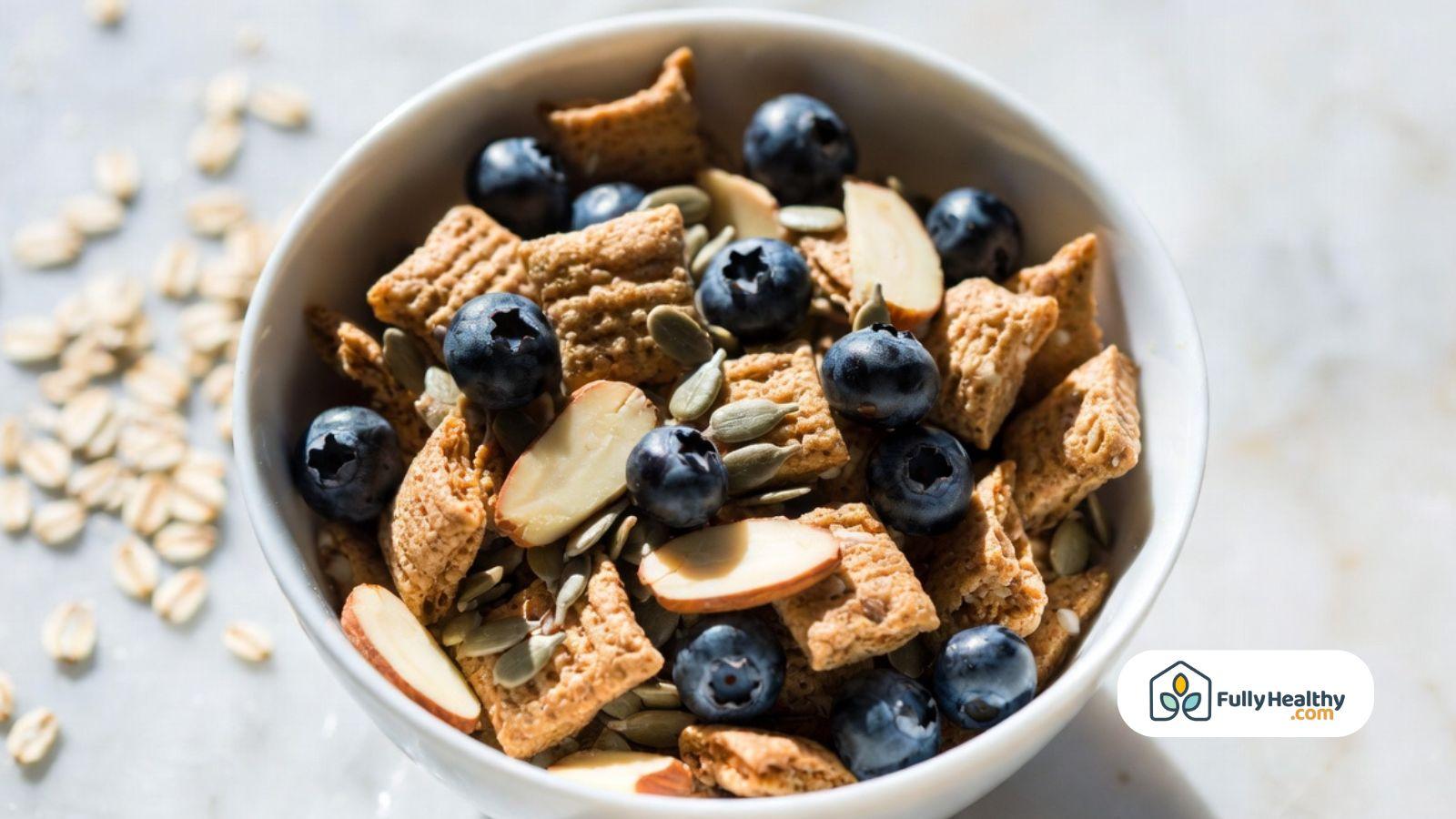
People with diabetes can still eat cereal regularly when breakfast cereals contain balanced nutrients and controlled carbohydrates.
Portion Size and Frequency
The best cereal habits focus on moderation, balanced nutrients, and healthier ingredients. Using proper serving sizes may help manage diabetes and support more stable blood glucose levels throughout the day.
-
Portion Control: A measuring cup helps keep cereal servings around ¾ cup to 1 cup instead of oversized bowls with more calories and carbohydrates.
-
Balanced Meals: Adding protein, nuts, seeds, or unsweetened Greek yogurt may slow glucose absorption from carbohydrates.
-
Low Carb Choices: Lower carb or high fiber cereals may support steadier blood sugar when they also contain nutrient-dense ingredients.
-
Healthy Milk Choices: Almond milk and other unsweetened milk options may reduce unnecessary sugar intake.
-
Consistent Nutrition: Healthy breakfast habits and balanced portion size matter more than avoiding cold cereal or hot cereal completely.
Signs a Cereal May Be Raising Blood Sugar Too Quickly
Some breakfast cereals digest very quickly because they contain refined grains, low fiber, and more added sugar. These foods may increase blood sugar rapidly and leave people feeling hungry again shortly after breakfast.
-
Hunger Crashes: Feeling hungry soon after eating may signal a cereal is low in fiber, protein, or healthy fats.
-
Low Fiber Content: Cereals with little fiber often digest faster and affect blood glucose levels more quickly.
-
Refined Ingredients: Refined grains and other sweeteners may increase glucose spikes during the morning.
-
More Calories: Sugary cereals sometimes contain more calories without enough nutrients or protein.
-
Food Labels: Nutrition labels help identify high sugar cereals and heavily processed ingredients.
What Kind of Milk is Best for Diabetics With Cereal?
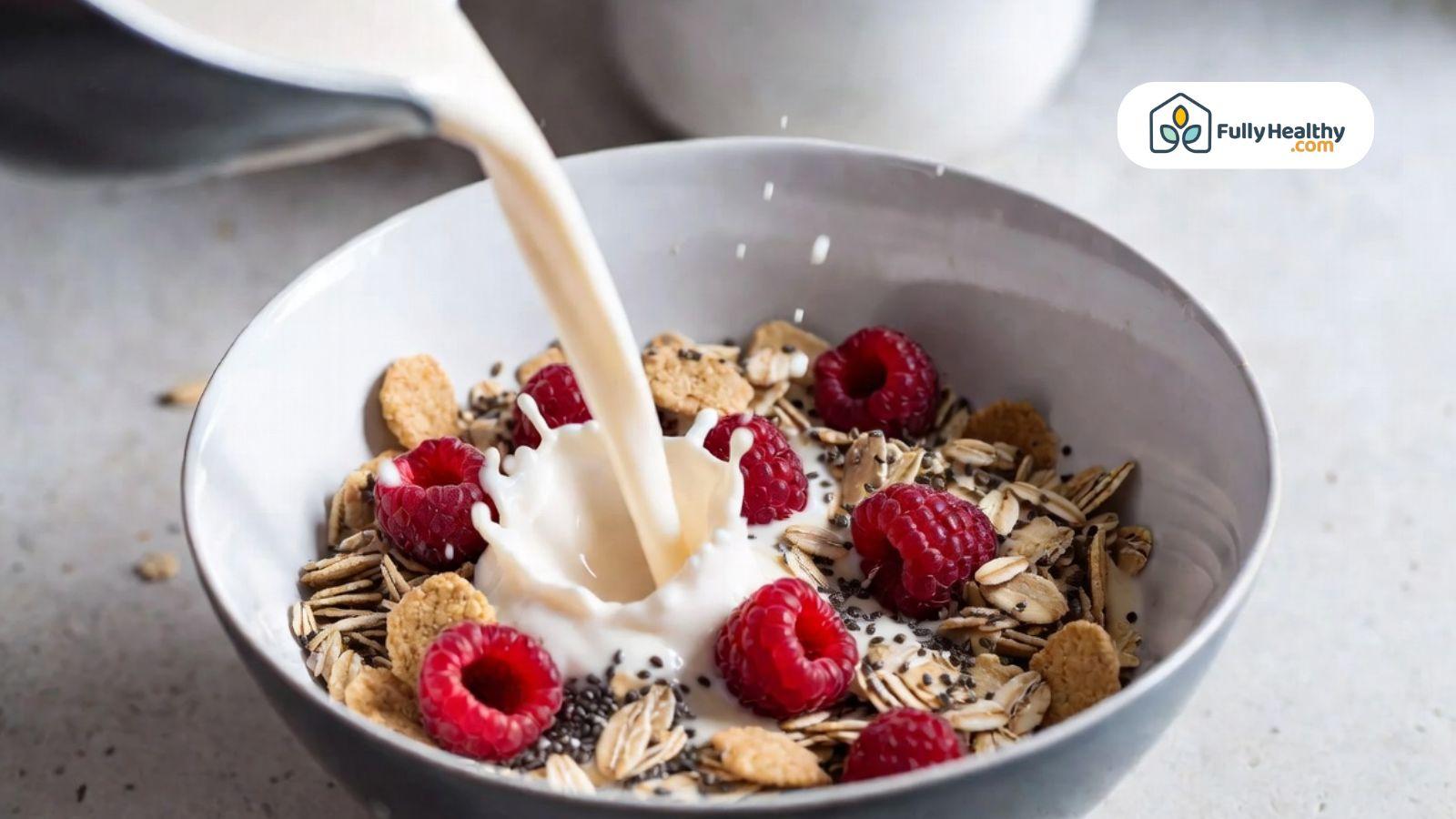
Milk choices affect carbohydrates, sugar intake, protein, and calories during breakfast. Unsweetened and lower carbohydrate milk options often work better for diabetes friendly cereal meals.
Unsweetened Low-Carb Milk Options
The best milk for cereal usually contains fewer carbohydrates and no added sugar. Unsweetened milk options may help reduce blood sugar spikes while still supporting balanced nutrition.
-
Almond Milk: Unsweetened almond milk is low carb and lower in calories than regular dairy milk.
-
Flax Milk: Unsweetened flax milk can be low in sugar and carbohydrates, but readers should check nutrition labels.
-
Soy Milk: Unsweetened soy milk provides protein with fewer carbohydrates than many sweetened milk products.
-
Ultra-Filtered Milk: Some dairy milk products contain higher protein and lower sugar levels.
-
Healthy Breakfast Support: Lower sugar milk choices may improve diabetes-friendly breakfast habits.
Dairy vs Plant-Based Milk for Blood Sugar Management
Both dairy and plant based milk can work for people with diabetes when nutrition labels are checked carefully. The best option depends on carbohydrate levels, protein content, ingredients list, and healthy eating goals.
-
Protein Differences: Dairy milk often contains more protein than some plant based milk choices.
-
Sugar Content: Sweetened milk products may contain honey, other sweeteners, and unnecessary added sugar.
-
Carbohydrates: Some plant based milk options contain fewer carbohydrates and lower carb count totals.
-
Healthy Ingredients: Whole foods ingredients with fewer additives may support better health and nutrition.
-
Nutrition Goals: Healthcare provider recommendations may vary depending on blood glucose levels and heart disease risk.
Why FullyHealthy Offers Better Breakfast Options
FullyHealthy provides wellness focused foods for people looking for better breakfast cereals, allergy friendly products, and lower sugar options.
About FullyHealthy
FullyHealthy is an online marketplace focused on wellness foods for people with specific dietary needs and healthier eating goals. The site offers breakfast products that support gluten-free, grain-free, low carb, and diabetes-friendly lifestyles while keeping ingredients simpler and easier to understand.
-
Specialized Products: FullyHealthy carries foods designed for gluten-free, grain-free, and allergy-conscious diets.
-
Cleaner Ingredients: Many products avoid heavily processed ingredients, refined grains, and excessive added sugar.
-
Breakfast Variety: The collection includes hot cereal, cold cereal options, nuts, seeds, and whole foods based breakfast products.
Grain-Free and Lower-Sugar Cereals Available on FullyHealthy
FullyHealthy carries breakfast cereals designed for people looking for lower sugar and grain free breakfast options. Many products include nuts, seeds, cinnamon, coconut, oats, and other nutrient dense ingredients.
-
AIPeazy Instant Hot Cereal Cinnamon Raisin: A warm hot cereal option made with simple ingredients, cinnamon flavor, and balanced nutrition for healthy breakfast routines.
-
Wild Zora Instant Grain-Free Hot Cereal Original: A grain free breakfast cereal with nuts and seeds that provides protein, fiber, and healthy fats.
-
Lovebird Rise and Fly Cinnamon Cereal: A crunchy cold cereal option with cinnamon flavor and simpler ingredients than many traditional breakfast cereals.
-
Wild Zora Instant Grain-Free Hot Cereal Tropical Tart: A grain free hot cereal with fruit inspired flavor and lower carbohydrate ingredients for healthier eating.
-
Lovebird Rise and Fly Honey Cereal: A breakfast cereal made with straightforward ingredients and light sweetness for balanced morning meals.
-
Wild Zora Instant Cereal Original With Almonds, Walnuts, Coconut: A nut based cereal blend with walnuts, coconut, and seeds that supports protein and fiber intake.
-
Lovebird Rise and Fly Cacao Cereal: A cacao flavored cold cereal with grain free ingredients and lower added sugar than many sugary cereals.
Final Thoughts
What cereal is good for diabetics usually comes down to more fiber, balanced protein, whole grain ingredients, and lower added sugar. Breakfast cereals made with oats, bran flakes, seeds, and healthier milk choices may help support steadier blood sugar and healthier morning routines for people with diabetes.
Paying attention to portion size, carb count, and nutrition labels can also make breakfast more balanced and satisfying.
FAQs
What Snacks Are Good for Diabetics?
Nuts, seeds, unsweetened Greek yogurt, berries, chia seeds, nut butter, whole foods snacks, and low carb foods may help people with diabetes manage blood sugar and reduce low blood sugar between meals.
Is It OK to Eat Cereal Every Day?
People with diabetes can eat breakfast cereals daily when portion size, fiber content, carbohydrates, protein, added sugar, and nutrition labels stay balanced with healthy eating goals.
Which Is Better for Diabetics, Eggs or Oatmeal?
Oatmeal provides fiber and whole grain carbohydrates while eggs provide protein and healthy fats, so both foods may support blood glucose levels during breakfast when paired with balanced nutrients.
Which Biscuits Are Good for Diabetes?
Low GI biscuits made with whole grain flour, oats, seeds, nuts, and lower sugar ingredients may support healthier glucose levels than refined grains and highly processed foods.
Which Cereal Has the Least Sugar?
The best cereal with the least sugar usually includes bran flakes, oatmeal, puffed rice, unsweetened hot cereal, and cold cereal options with low added sugar, more fiber, and simple ingredients list details.
Leave a comment