

What Does Butternut Squash Taste Like? Full Flavor Profile and Cooking Tips
 Photo Credit: Canva Pro
Are you curious about the flavor of butternut squash? Your meals will taste great with this sweet, nutty fruit. Butternut squash can be pureed, roasted, or added to soups because of its creamy, smooth texture. Because of its flavor, which is frequently likened to that of sweet potatoes and pumpkin, it can be used in a variety of savory and sweet recipes.
Learn how to cook, pair, and enjoy this versatile squash in your favorite recipes!
Featured Pantry Pick
Farmer's Market Organic Butternut Squash - 15 oz
Loading...
How Would You Describe the Taste of Butternut Squash?
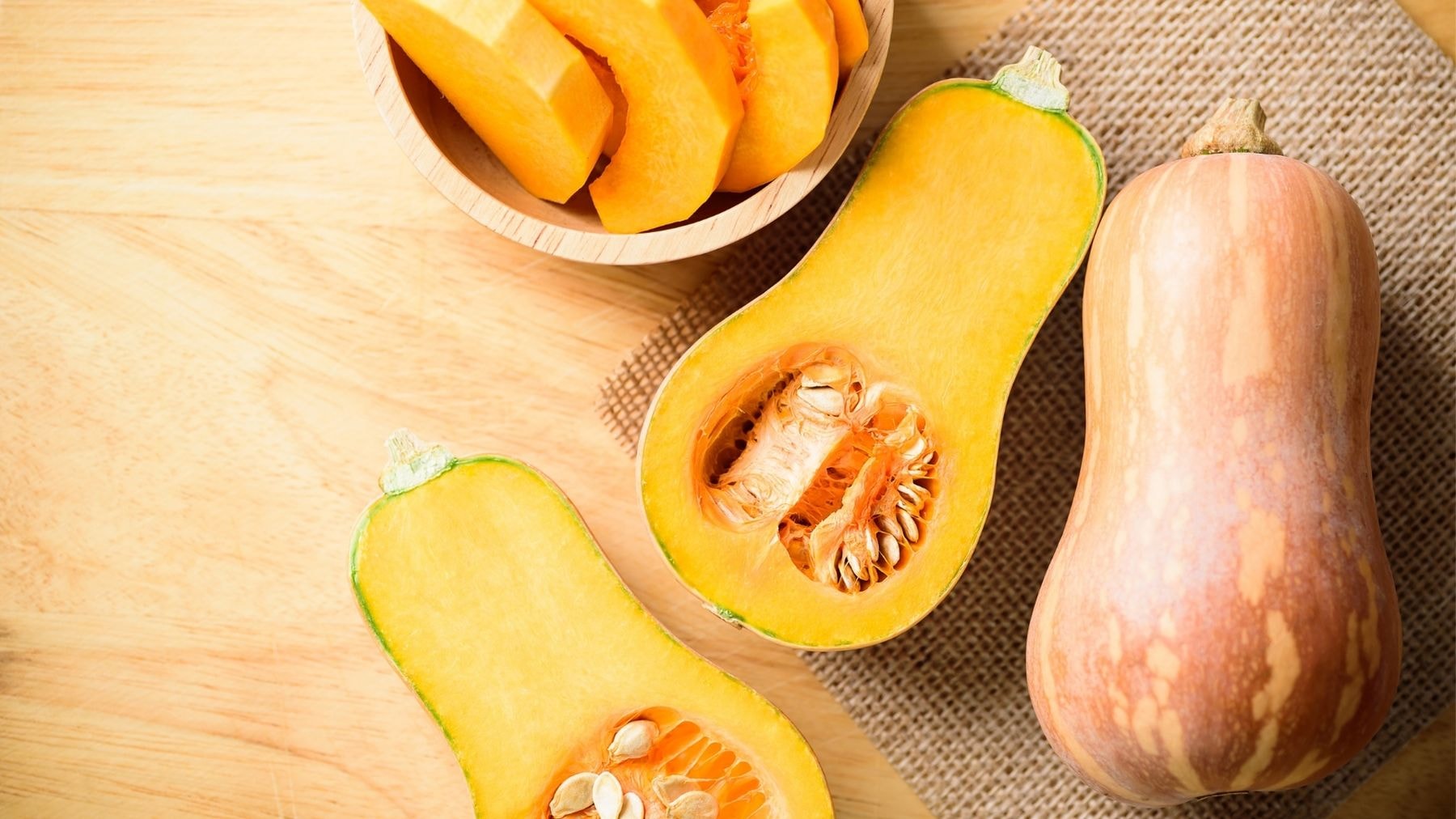 Photo Credit: Canva Pro
Sweet and Nutty: A Flavor Profile Comparison
Butternut squash has a naturally sweet and nutty flavor, often compared to a blend of sweet potatoes and pumpkin. It is a great addition to many different dishes because its sweetness increases when it is roasted.
-
Flavor: The butternut squash taste is sweeter and nuttier than other winter squash varieties.
-
Comparison to pumpkin: Butternut squash has a smoother texture and is less fibrous than pumpkin.
-
Sweetness: Roasting enhances the natural sugars, making the flavor more caramelized and rich.
Creamy and Velvety: The Textural Delight
When butternut squash is cooked, its texture becomes extremely creamy, making it ideal for roasting, mashing, or pureeing for a velvety, soft dish. It is a favorite for soups because of its texture.
-
Creaminess: When the flesh is cooked, it becomes velvety and smooth.
-
Pureeing: Perfect for pureeing into soups like butternut squash soup or using in pies.
-
Tenderness: When roasted, boiled, or sautéed, the squash becomes tender and soft.
-
Melted butter: Adding melted butter to cooked squash enhances its creamy texture and rich flavor.
-
Soup base: The creamy texture of butternut squash works well as a base for soups, especially when blended with broth and spices.
What is the Best Way to Eat Butternut Squash?
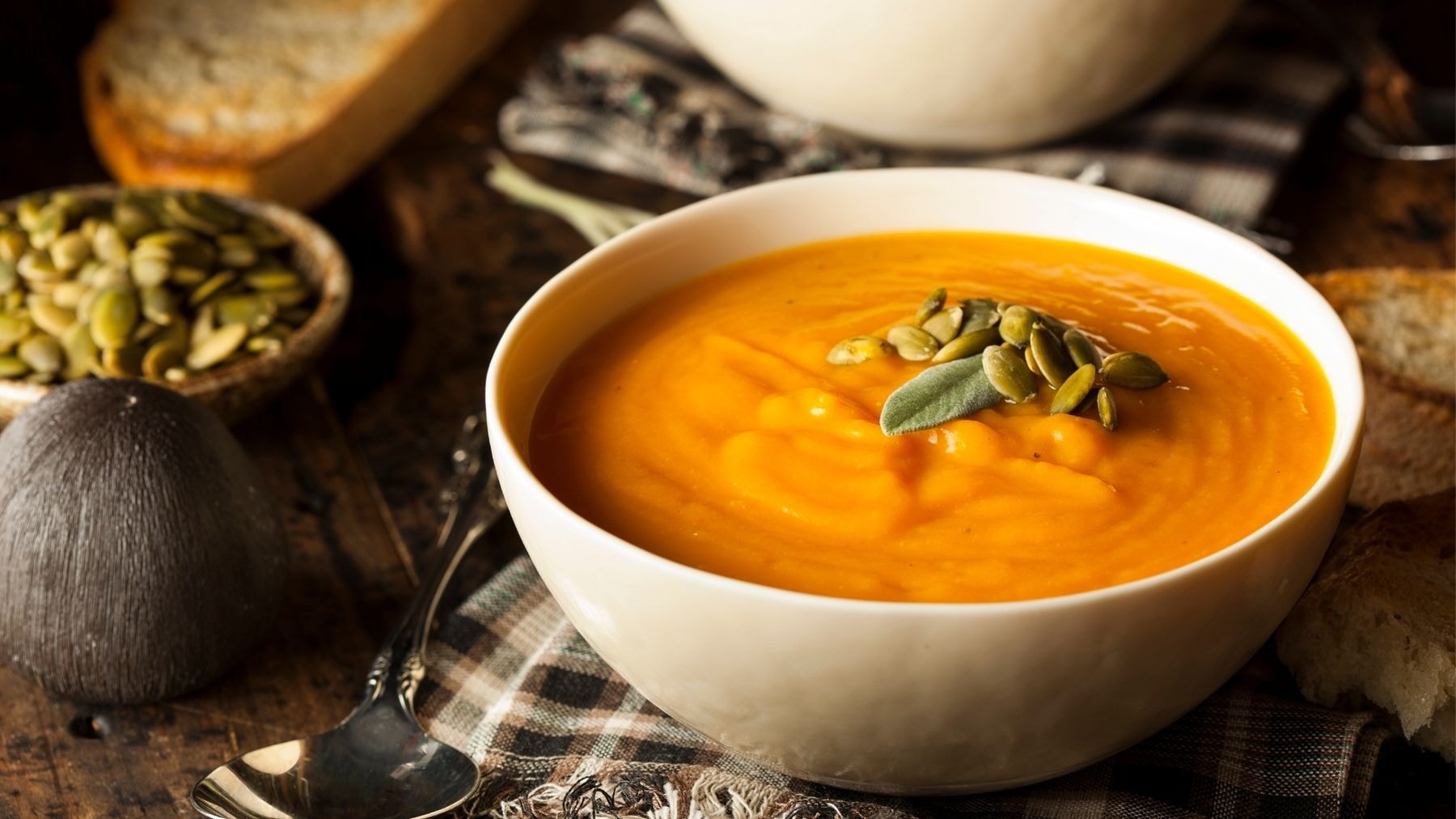 Photo Credit: Canva Pro
Top Cooking Methods for Butternut Squash
There are several methods for cooking butternut squash, including boiling and roasting. Each technique brings out its nutty and sweet flavor, making it suitable to any recipe.
-
Roast: Add extra virgin olive oil and season with cinnamon, salt, and pepper to get a deep, nutty taste.
-
Boil: Boiling softens the squash, making it easy to puree for soups or sauces.
-
Sauté: Quickly sauté cubes of squash in a skillet with garlic and herbs for a savory side dish.
-
Steam: Steaming keeps more of the squash's nutrients and keeps its natural sweetness.
-
Grill: Slice it into thick pieces and grill for a smoky, tender result perfect for salads.
Roasting Tips for Perfectly Caramelized Squash
One of the simplest ways to cook butternut squash is to roast it, which brings out its natural sweetness. It will caramelize perfectly if you follow a few easy tips.
-
Preheat oven: Set the oven to 400°F to allow for proper caramelization.
-
Coat with oil: Toss the squash in olive oil to help it crisp up and brown evenly.
-
Season generously: Use a mix of salt, pepper, and spices like cinnamon or nutmeg to enhance its natural flavor.
-
Cut into uniform pieces: Cutting the squash into even pieces, like cubes or slices, will make sure it cooks evenly.
-
Flip halfway: Turn the squash halfway through cooking to achieve even browning on all sides.
What Flavors Pair Well with Butternut Squash?
 Photo Credit: Canva Pro
Sweet Pairings
The naturally sweet butternut squash goes well with warm, comforting ingredients like maple syrup and cinnamon, which makes it a great choice for fall dishes.
-
Maple syrup: Drizzle on roasted butternut squash for a deep, sweet flavor.
-
Cinnamon: Sprinkle cinnamon on squash before roasting for an extra layer of warmth.
-
Nutmeg: Add a pinch of nutmeg for a richer, spiced flavor.
-
Brown sugar: For extra caramelized sweetness, toss squash with brown sugar.
-
Butter: Finish with a pat of butter to make the squash even richer and more decadent.
Savory Pairings
Adding garlic, sage, and other roasted vegetables to butternut squash gives it a savory twist that makes it a great side dish.
-
Garlic: Roasted garlic complements butternut squash’s sweetness for a balanced flavor.
-
Sage: This herb enhances the earthiness of roasted squash, especially when sautéed with butter.
-
Roasted vegetables: Pair with roasted carrots, parsnips, or onions for a hearty vegetable medley.
-
Cheese: Top with grated parmesan or goat cheese for a creamy, tangy contrast to the squash’s sweetness.
-
Thyme: Fresh thyme adds a herbal note that pairs beautifully with roasted butternut squash.
What's Healthier, Sweet Potato or Butternut Squash?
 Photo Credit: Canva Pro
A Nutritional Face-off
Sweet potatoes and butternut squash are both nutrient-dense, healthful foods, but their nutritional profiles differ in a few ways. Let’s compare them directly.
-
Calories: Butternut squash is lower in calories than sweet potatoes, making it a lighter option.
-
Fiber: Both are high in fiber, but butternut squash contains slightly more fiber per serving.
-
Vitamins: Butternut squash is rich in vitamin A and C, which are great for skin health and immunity.
-
Sugar content: Sweet potatoes tend to have a higher natural sugar content, making them slightly sweeter.
-
Glycemic index: Butternut squash has a lower glycemic index, making it better for blood sugar control.
Health Benefits of Butternut Squash: A Vitamin Powerhouse
The essential nutrients found in butternut squash promote general health. It's a fantastic addition to any diet because of its high vitamin content.
-
Vitamin A: It’s a rich source of beta-carotene, which supports eye health.
-
Vitamin C: Supports the immune system and promotes healthy skin.
-
Antioxidants: The orange color of butternut squash indicates high antioxidant levels, which fight free radicals.
-
Minerals: It provides minerals like magnesium and potassium, which help regulate blood pressure.
-
Low-calorie: A healthy low-calorie option, perfect for weight management.
FullyHealthy: Your Guide to Healthy Living
About FullyHealthy
We at FullyHealthy are dedicated to providing the best products that promote a healthy way of living. We specialize in gluten-free, allergy-free, AIP-compliant, and many other foods.
-
Quality products: We carefully select foods that are rich in nutrients and flavor, perfect for healthy living.
-
Health focus: Every product on our site is chosen with your health in mind, from fruits to spices.
-
Sustainability: We prioritize sustainable farming practices, supporting eco-friendly efforts for a healthier planet.
Farmers Market Organic Butternut Squash: Fresh and Nutritious
Our Farmers Market Organic Butternut Squash is handpicked and sold directly from the farm to your home. It’s the best choice for those looking for fresh, nutritious butternut squash.
-
Freshness: Directly sourced from organic farms for superior quality.
-
Rich in nutrients: Packed with vitamins A and C, as well as fiber.
-
Organic: Grown without pesticides, ensuring you get only the healthiest produce.
Final Thoughts
Butternut squash is a versatile and nutritious vegetable, offering a sweet, nutty flavor perfect for various dishes. From butternut squash soup to roasted recipes, it’s an ideal addition to your pantry. With its creamy texture and rich taste, it’s no surprise that the butternut variety is so popular. Whether roasted or pureed, it can easily elevate any meal. Stock up on this vegetable, peeled, and harvested in September and October, and let it add depth and flavor to your favorite recipes.
Be sure to wash the squash well, remove any seeds, and cool it before storing. Once stored, you can save it for months in a cool, dry place. Watch it transform your meals as you use it in different dishes.
FAQs
What’s the secret to the perfect butternut squash soup?
For the best butternut squash soup, roast the squash on a baking sheet with olive oil, then scoop the flesh and combine with stock, milk, and spices like cinnamon and garlic. Add a dash of vanilla for an extra hint of sweetness.
What is winter squash and how do I use it?
Winter squash, like the butternut variety, is native to the Americas and is harvested in September or October. It can be stored in the pantry for months and is perfect for roasting, pureeing, or using in butternut squash soup.
Does butternut squash taste like sweet potatoes?
Butternut squash has a sweet, nutty flavor that is similar to sweet potatoes, but it's slightly creamier and less fibrous. It’s also thick in texture and pairs beautifully with vanilla or pumpkin seeds in desserts.
Does butternut squash taste like pumpkin?
Yes, butternut squash shares similarities with pumpkin, but offers a sweeter, nutty flavor with a smoother, creamier texture. When peeled and roasted, it has a subtle caramelization that makes it perfect for soups or paired with meat.
What is the best way to eat butternut squash?
The easiest way to eat butternut squash is to roast it on a baking sheet with olive oil, then remove the skin and seeds. Transfer to a bowl and mix with your choice of seasoning, and serve with pumpkin seeds for a tasty, healthy dish.
Leave a comment