

What Does Mackerel Taste Like? The Real Seafood Flavor
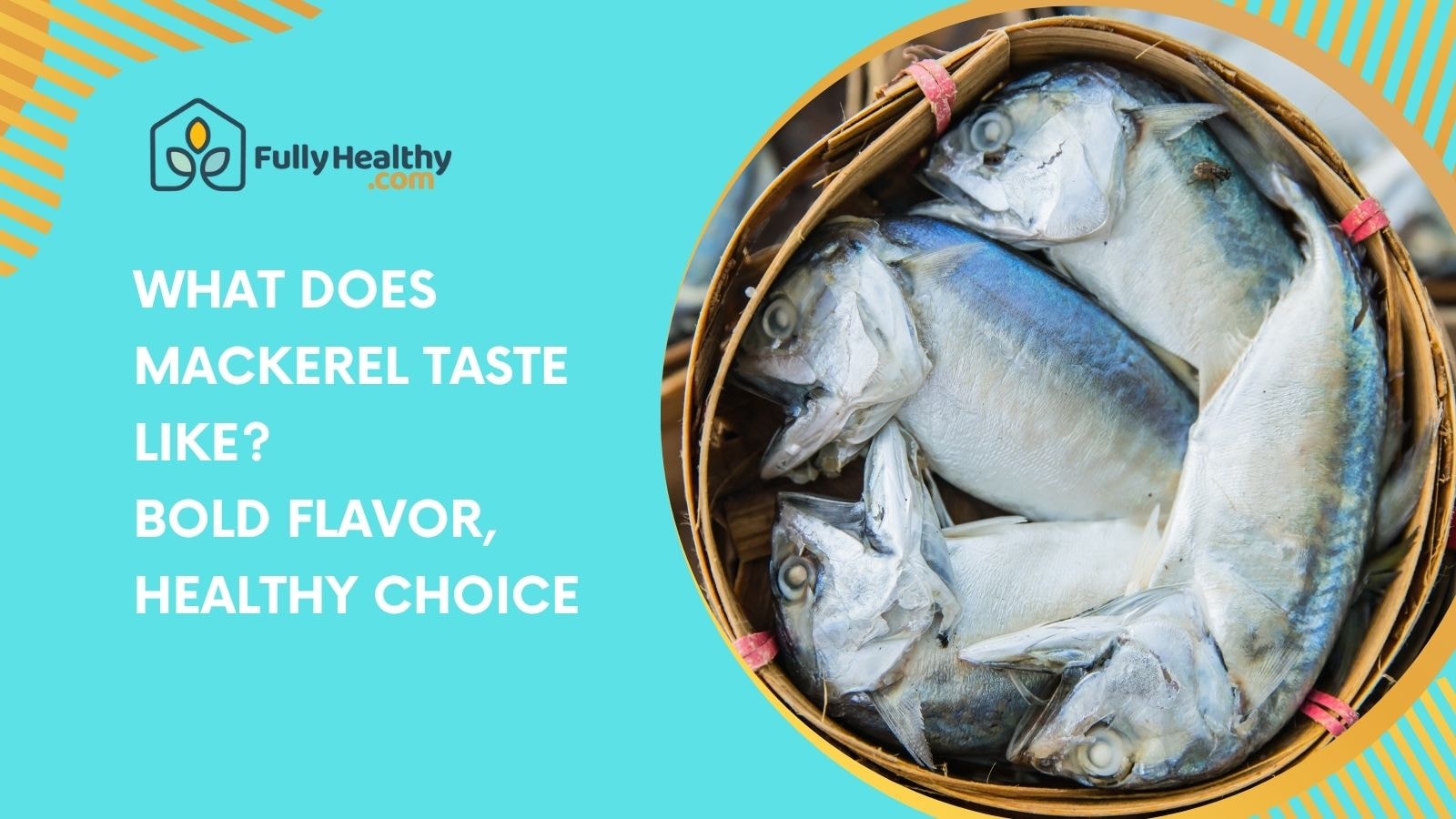 Photo Credit: Canva Pro
Curious about what does mackerel taste like? This flavorful fish is known for its rich, slightly sweet, and ocean-fresh taste that seafood lovers enjoy. Mackerel is a healthy fatty fish packed with protein, vitamin D, and omega-3s that support heart health. From grilled fillets to canned mackerel in olive oil, it’s a versatile choice for quick meals that taste fresh and satisfying every time.
Featured Pantry Pick
Wild Planet // Mackerel Fillets in Extra Virgin Olive Oil - 4.4 oz
Loading...
What Does Mackerel Taste Like?
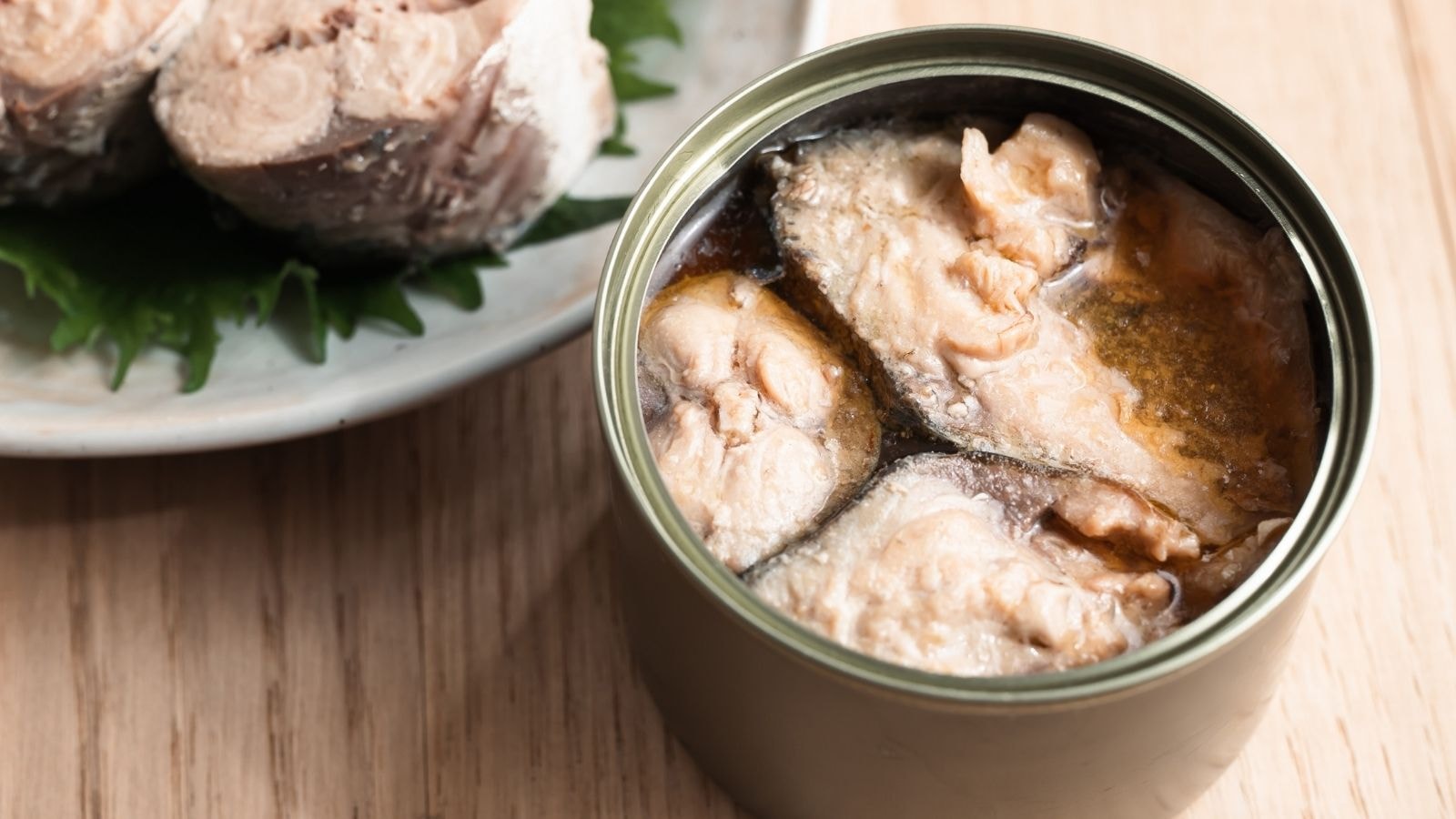 Photo Credit: Canva Pro
Flavor Profile And Texture
The flavor of mackerel is ocean-fresh, rich, and slightly sweet. If you're wondering what mackerel tastes like, imagine a buttery, tender bite because this fatty fish from the Scombridae family is loaded with natural oil. Though not as strong as tuna, it is still tasty enough for a weekly meal.
-
Taste: It has a deep sea flavor that feels both savory and a bit sweet.
-
Texture: The fillets are firm, flaky, and moist from healthy fat.
-
Cooking Effect: Grilled or pan-fried mackerel has a smoky aroma while steamed versions turn mild.
-
Health Note: Its polyunsaturated fat, vitamin D, and protein support brain development and heart health for adults who eat two servings each week.
Why Mackerel’s Flavor Varies By Type
Mackerel's flavor varies depending on the species and preparation method. While Pacific mackerel has a stronger salt note, Atlantic mackerel is more plentiful and milder. The texture of canned mackerel becomes creamy and palatable when it is packed in olive oil.
-
Atlantic vs. Pacific: Atlantic mackerel tastes sweeter and lighter than the Pacific type.
-
Canned Options: Oil-packed cans reduce the fishy scent compared to canned tuna.
-
Cooking Styles: Broiled with pepper and salt, smoked, or pickled, each style adds a new level of flavor.
-
Preservation Impact: Preserved fish keeps firm texture, ideal for sandwich or salad recipes.
How Does Mackerel Taste Compared To Salmon?
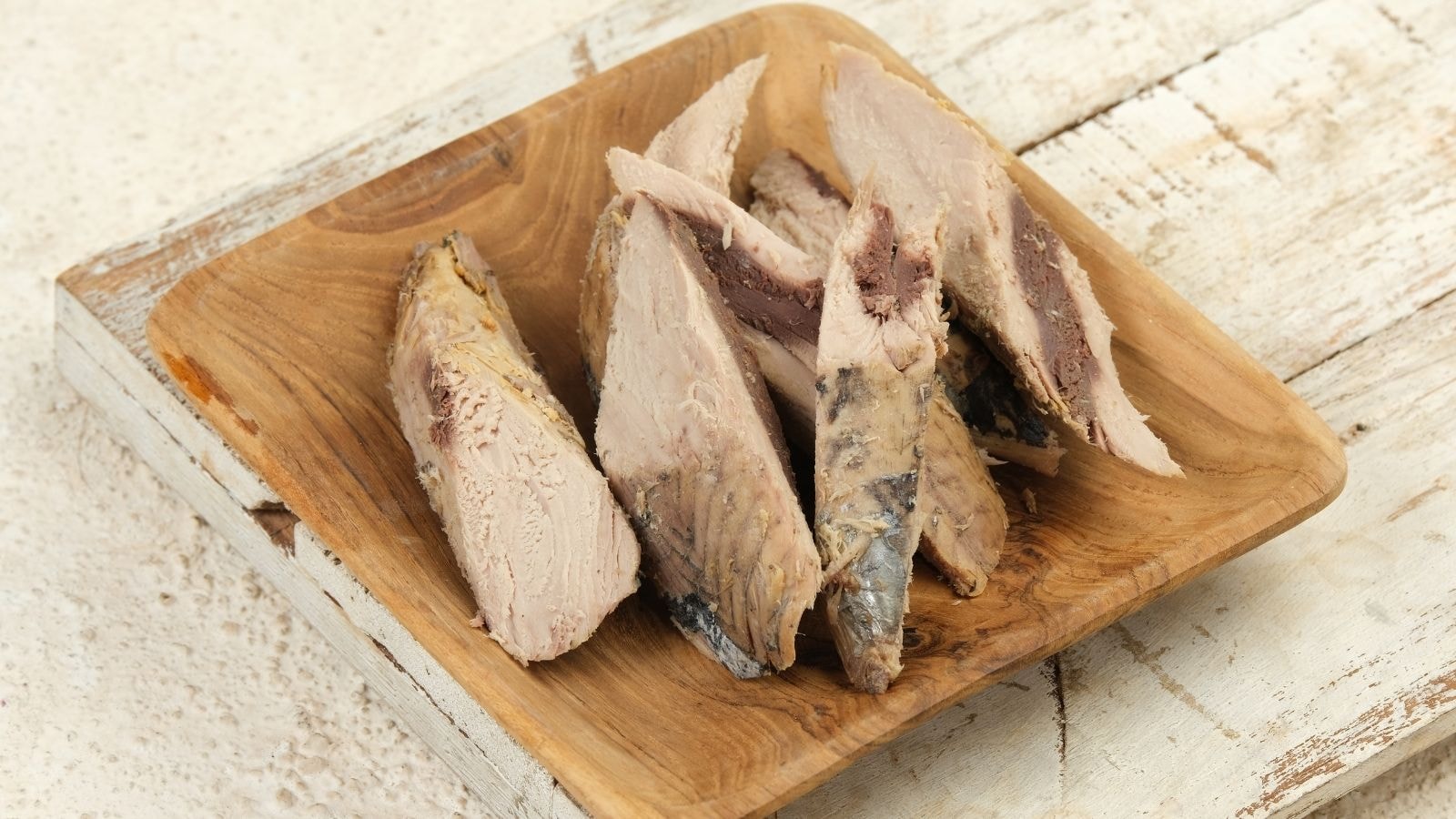 Photo Credit: Canva Pro
Similar Richness, Different Finishes
Although they are both classified as oily fish, mackerel and salmon are not the same. Salmon has a mild, buttery flavor, whereas mackerel has a stronger marine flavor. Many chefs compare the difference to that of milk coffee and espresso.
-
Richness: Mackerel gives a bold ocean flavor, while salmon stays softer on the palate.
-
Aroma: Mackerel smells like the sea but remains clean when fresh.
-
Serving Point: Mackerel pairs with citrus and spice, while salmon suits creamy sauces.
-
Chef Comment: Some articles called mackerel rich, easy, and satisfying.
Nutritional And Textural Differences
The protein content of both fish is about 24 g per 100 g, but mackerel has more EPA omega-3s and lower cholesterol, which helps lower the risk of cardiovascular disease. Salmon provides less vitamin D and a few fewer calories.
-
Nutrients: Mackerel has higher minerals and vitamin content than salmon.
-
Texture: Mackerel feels dense and rich, salmon is softer and silky.
-
Mercury Level: Atlantic mackerel stays low in mercury, safer for regular servings. However, King mackerel contains high mercury and should be avoided by sensitive populations.
-
Health Benefit: Polyunsaturated fat from mackerel may improve blood flow and protect heart muscles.
What’s The Best Way To Eat Mackerel?
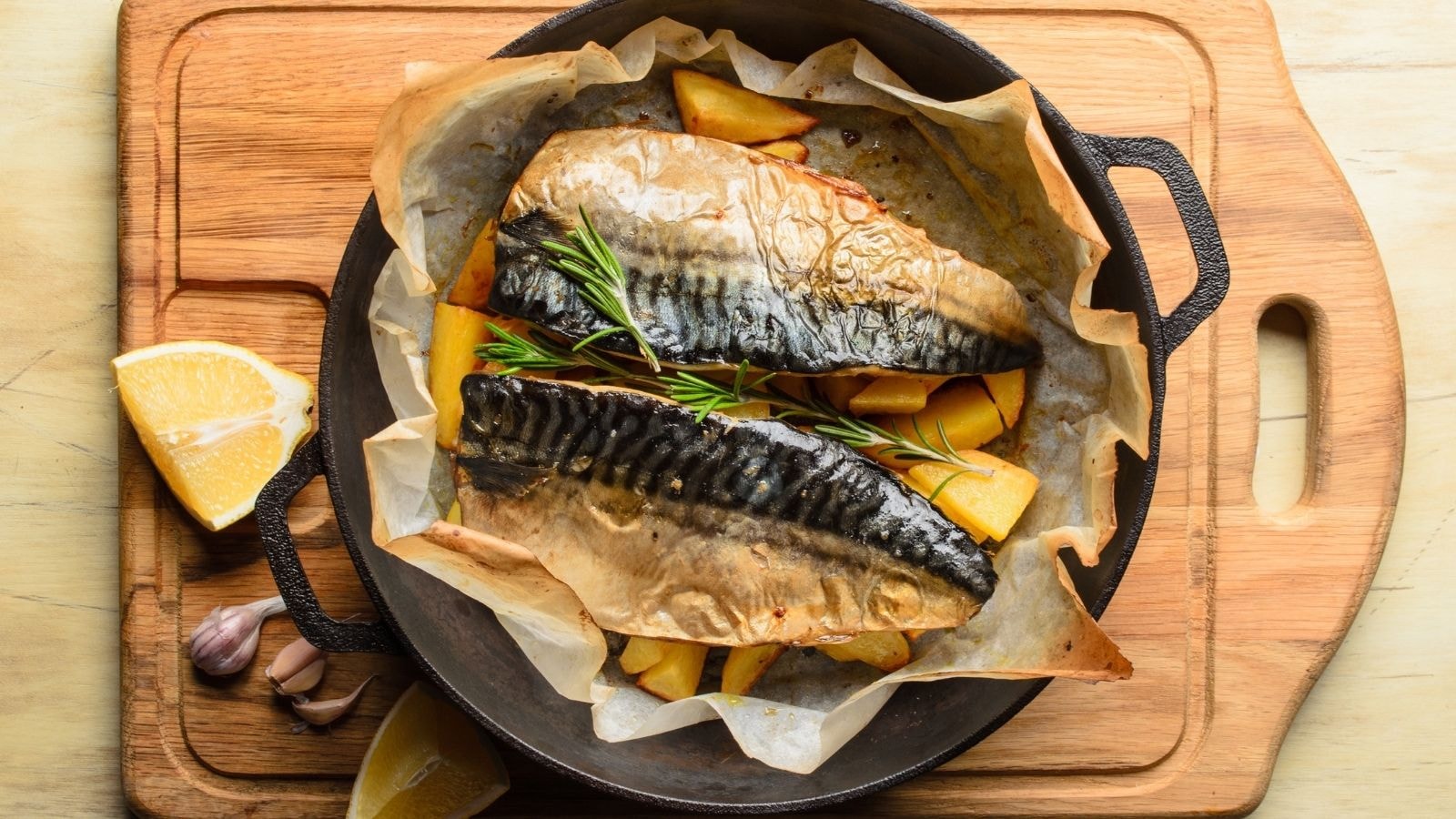 Photo Credit: Canva Pro
Classic And Modern Preparations
Mackerel can be prepared in a variety of ways at home or in a can. Recipes frequently use vinegar, lemon, or spice to lighten the flavor of the rich fish. Simple cooking maintains a balanced taste and high nutrient content.
-
Grill: Brush fillets with olive oil, add salt and pepper, and cook until the skin turns crisp.
-
Pan-Fry: Use a bit of oil for golden edges and serve with soy or mustard sauce.
-
Bake: A mustard-dill recipe from Food and Wine gives a classic European twist.
-
Canned Choices: Oil-packed canned mackerel offers a ready protein source similar to tuna.
-
Diet Tip: Eating two servings per week helps maintain heart health and brain function.
Recipe Pairings And Serving Tips
Mackerel is a good addition to quick meals. When combined with grains and fresh greens, the firm meat flakes easily and becomes a filling meal or a light snack. For a clean flavor, maintain the right balance of acid and oil.
-
Quick Meals: Make a sandwich using flaked mackerel, avocado, and fresh greens on buttered bread.
-
Light Dishes: Toss the fish into a salad with lemon dressing, beans, or pasta.
-
Flavor Boosters: Add chili or vinegar to reduce strong aroma.
-
Cooking Tip: When you flake fillets, handle gently to keep pieces large.
-
Nutrition Note: Each serving supplies vitamin D, protein, and minerals that improve muscle and heart health.
What Is A Good Substitute For Mackerel?
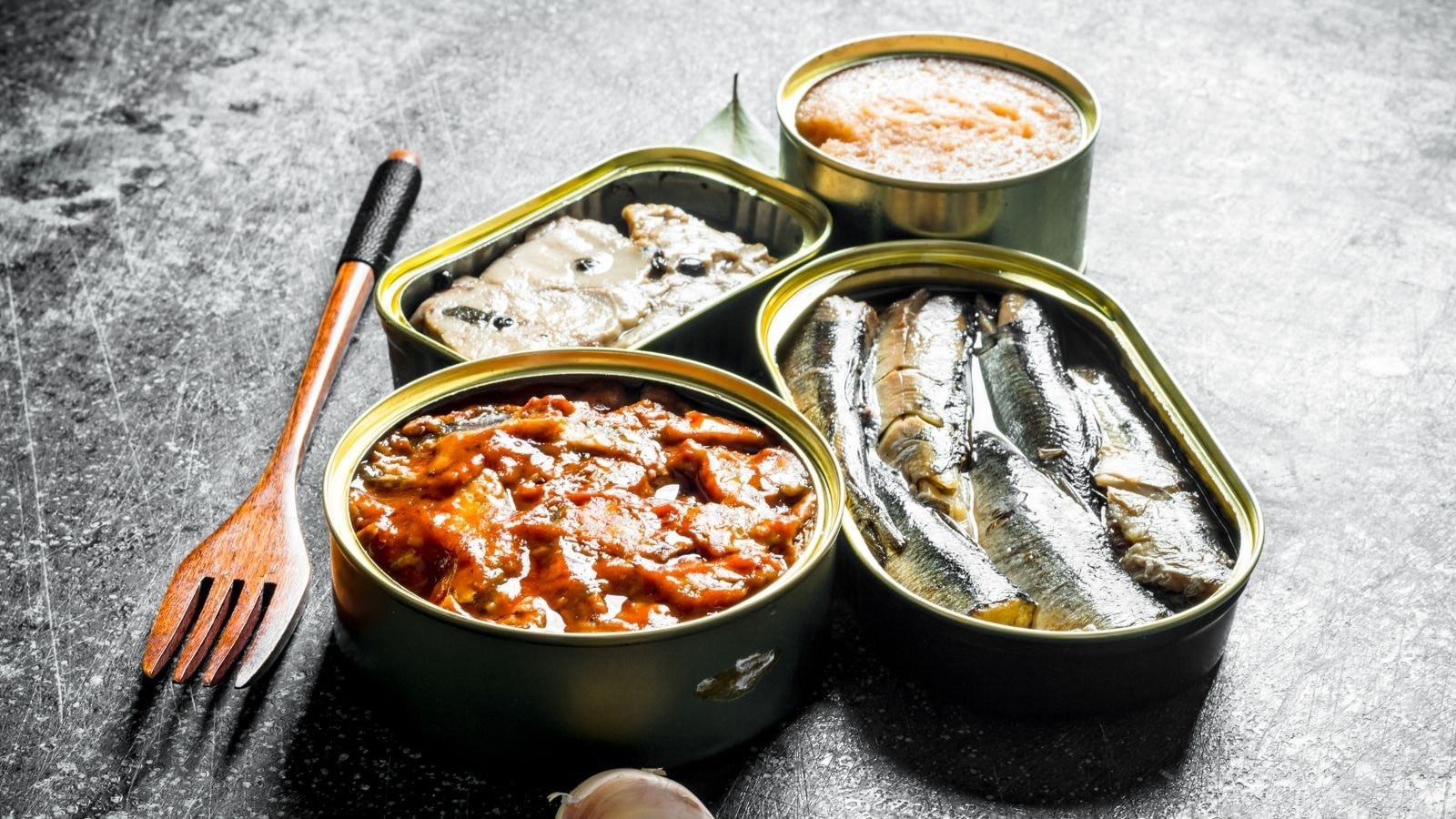 Photo Credit: Canva Pro
Closest Flavor Matches
When mackerel isn't available in the market, people who appreciate its rich flavor often look for fish that are comparable. The best choices are oily fish that have a healthy ratio of fat to salt. The closest in taste and texture are trout, herring, and sardines.
-
Sardines: These fish are oily, small, and have a similar sea flavor when grilled or canned.
-
Herring: Slightly softer than mackerel but rich in oil and easy to use in preserved recipes.
-
Trout: Offers a milder taste yet keeps the same nutrient density for protein and omega-3.
-
Cooking Point: All three species work well in sandwiches, salads, and pasta dishes.
Alternative Choices For Mild Palates
If you prefer a less intense flavor, some fish deliver a smoother bite while keeping nutrition high. Salmon, tuna, and halibut are considered the easiest options.
-
Salmon: Milder and softer, best for baked or grilled recipes.
-
Tuna: Similar texture to canned mackerel, making it a simple switch for sandwiches or salads.
-
Halibut: White fish with firm texture and low fat content, perfect for pan-searing.
-
Flavor Tip: Add lemon or pepper to these fish to mimic mackerel’s tangy character.
FullyHealthy: Where Wellness Meets Sustainable Seafood
Who We Are
FullyHealthy is a wellness-focused store that connects everyday shoppers to clean, sustainable food choices. It supports sustainable fishing, traceable sourcing, and healthy, nutrient-dense seafood so you can choose confidently.
-
Focus: Offer healthy, low-mercury seafood rich in protein, vitamin D, and minerals.
-
Goal: Improve public understanding of seafood quality and nutrition.
-
Audience: Adults seeking better weekly meal options with safe seafood servings.
Our Choice: Wild Planet Mackerel Fillets In Olive Oil
Wild Planet Mackerel Fillets In Olive Oil is one of the best shelf items. These fillets come skinless and boneless, making them easy to eat in pasta, sandwiches, or salads. They have a low amount of mercury and a lot of omega-3, protein, and vitamin D.
-
Taste: Mild yet rich with a hint of smoke, ideal for quick meals.
-
Quality: Sustainably caught from Atlantic sources that protect fish stocks.
-
Convenience: Ready-to-eat and preserved naturally in high-quality olive oil.
Final Thoughts
Mackerel is still one of the healthiest and tastiest fish you can eat. It tastes like a mix of mild sweetness and strong sea richness that makes me think of the water near Spain. Seafood, pasta, or even a light salad go well with this fish.
Mackerel is the best seafood for taste, value, and heart health when talking about easy to cook. You can save this page to your browser for more helpful seafood information like this.
FAQs
What does canned mackerel taste similar to?
Canned mackerel tastes like canned tuna but richer, full of oil, minerals, and a clean water flavor tucked between mild shellfish and bold sea taste.
What are the downsides of mackerel?
Some downsides include a strong flavor, high oil content, and PAA notes about mercury, but it still supports heart health when eaten in moderation.
Is mackerel more fishy than canned tuna?
Yes, mackerel is more fishy than canned tuna because it’s a fatty fish packed with oil, often compared to seafood from Spain for its bold flavor.
Is mackerel more fishy than sardines?
No, mackerel is milder than sardines, offering a cleaner sea taste with rich oils and protein that promote better heart health and muscle growth.
How can you eat mackerel for better heart health?
You can eat mackerel grilled or canned in olive oil twice a week with shellfish or vegetables and water to support heart health and enjoy this sort of balanced meal.
Leave a comment