

What Is a Tomahawk Steak? Cut, Cost, Cooking, and Why It Stands Out
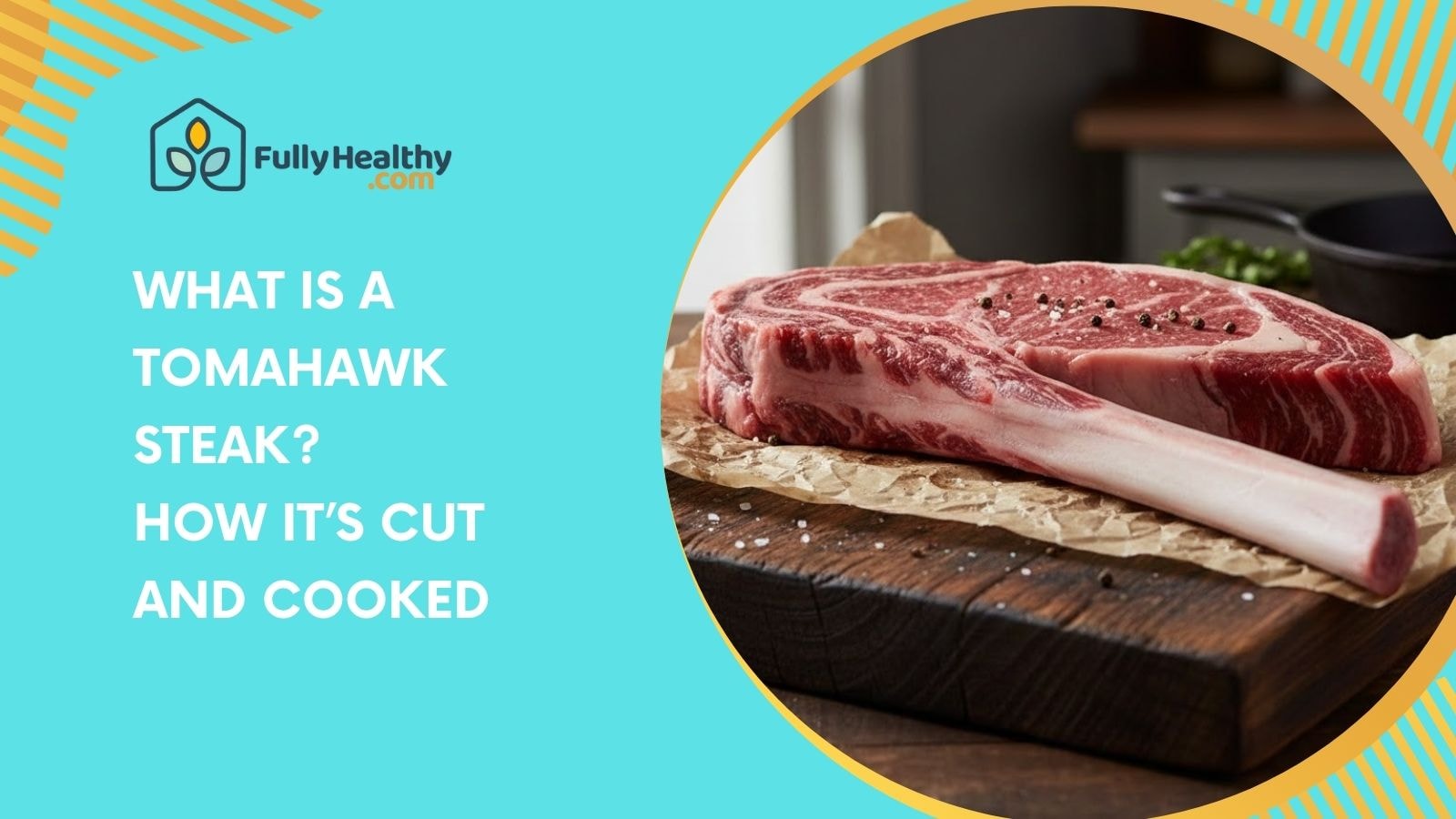
Tomahawk steaks are famous for their size, shape, and how they look on the plate. If you are asking what is a tomahawk steak, it is essentially a thick ribeye steak with a long rib bone left attached from the beef rib. This guide explains why the cut looks different, costs more, and needs a certain cooking method to keep its flavor and tenderness.
Featured Snack Pick
Epic // Pink Himalayan Sea Salt Oven Baked Pork Rinds - 2.5 oz
Loading...
What Is a Tomahawk Steak?
Definition and Naming
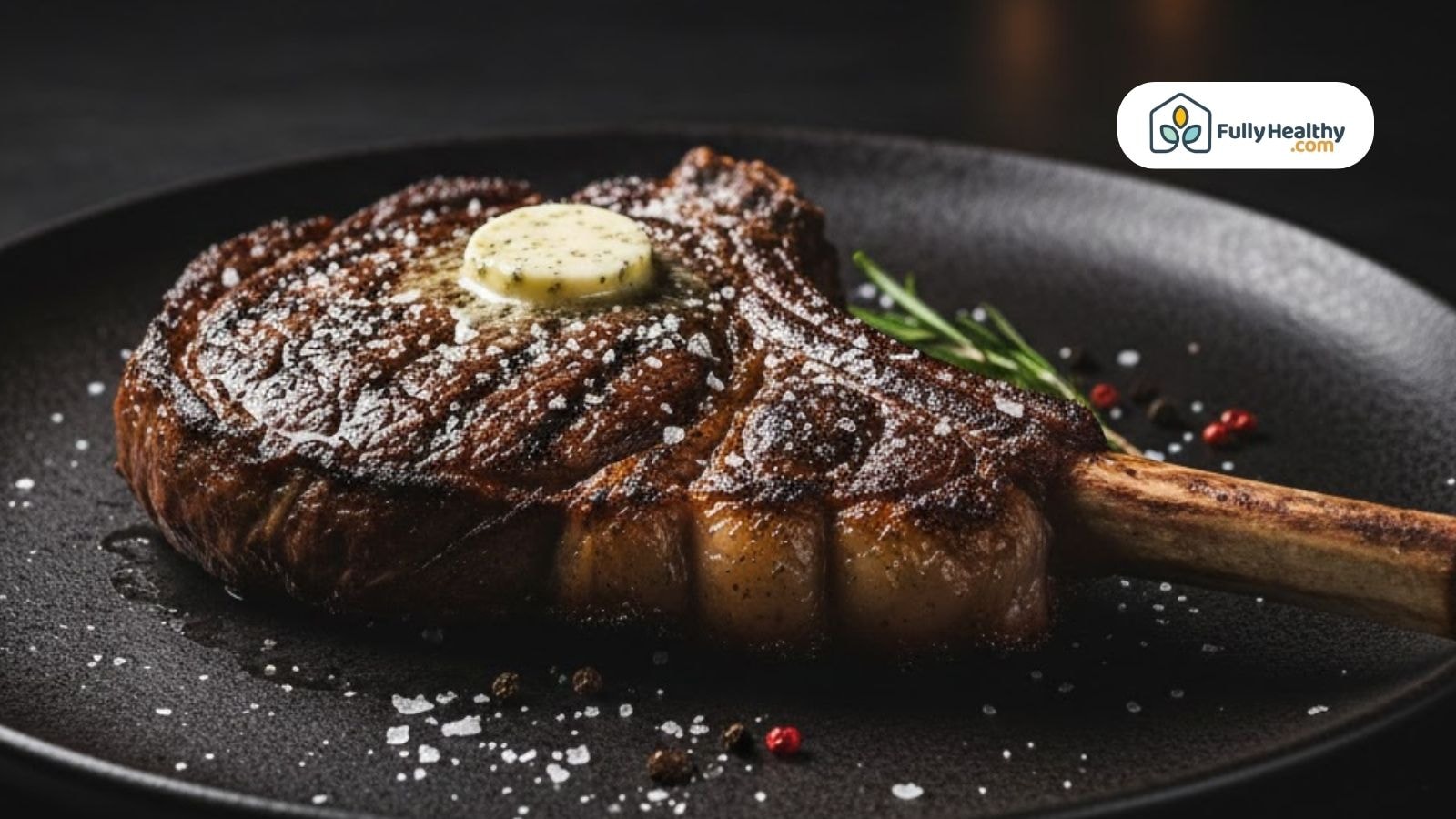
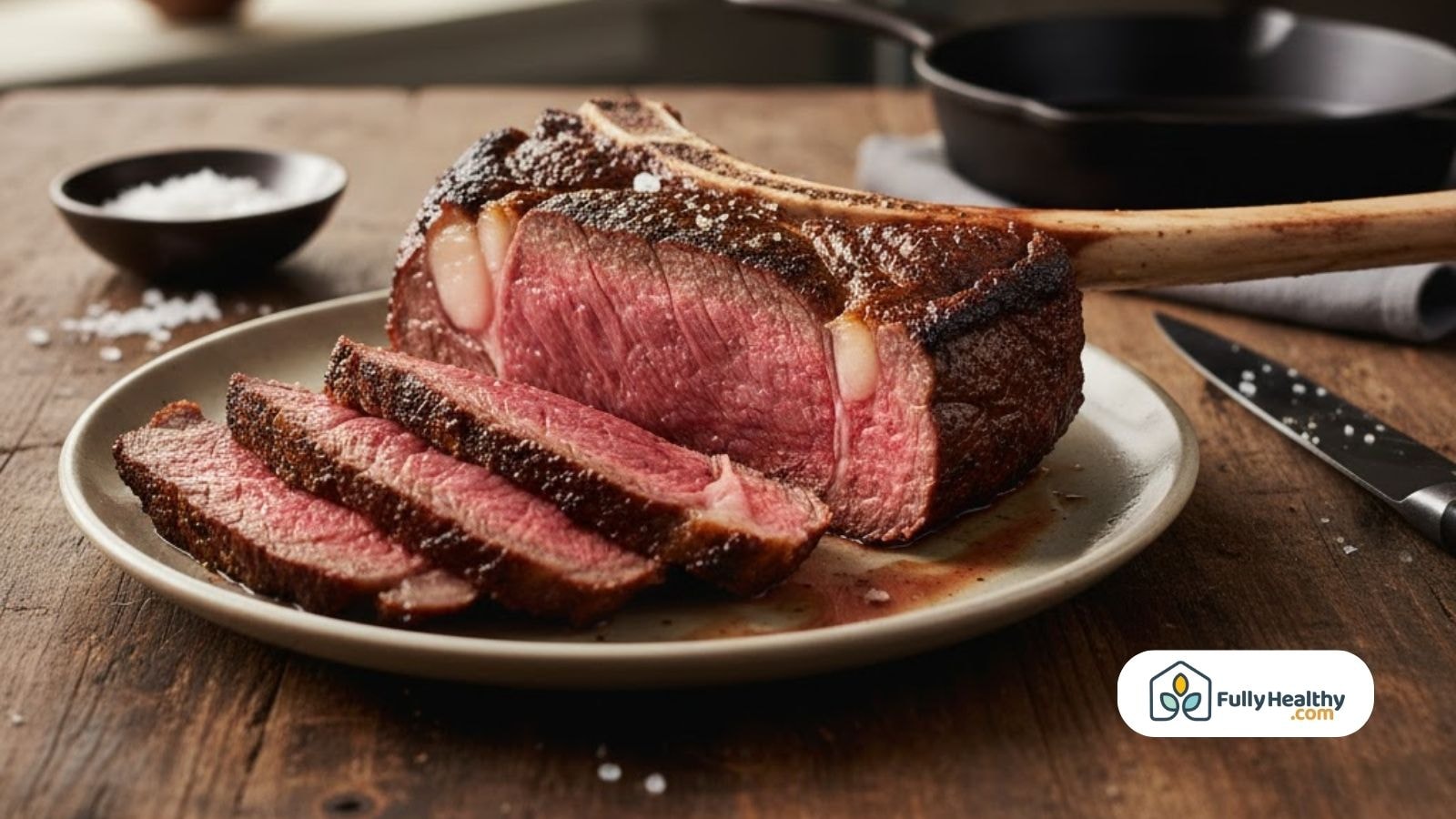
A tomahawk steak is a thick ribeye steak with the rib bone still attached. This makes the steak look like a tomahawk axe. It is a bone in ribeye steak that has been cut so that the bone is clean and visible.
-
Cut of meat: A ribeye steak carved from the rib primal.
-
Bone structure: A long rib bone left attached to the meat.
-
Trim style: The bone is frenched to remove surface fat and meat.
-
Visual identity: The shape resembles a tomahawk axe.
-
Serving style: Commonly presented as a big steak for sharing.
Cut Location and Physical Characteristics
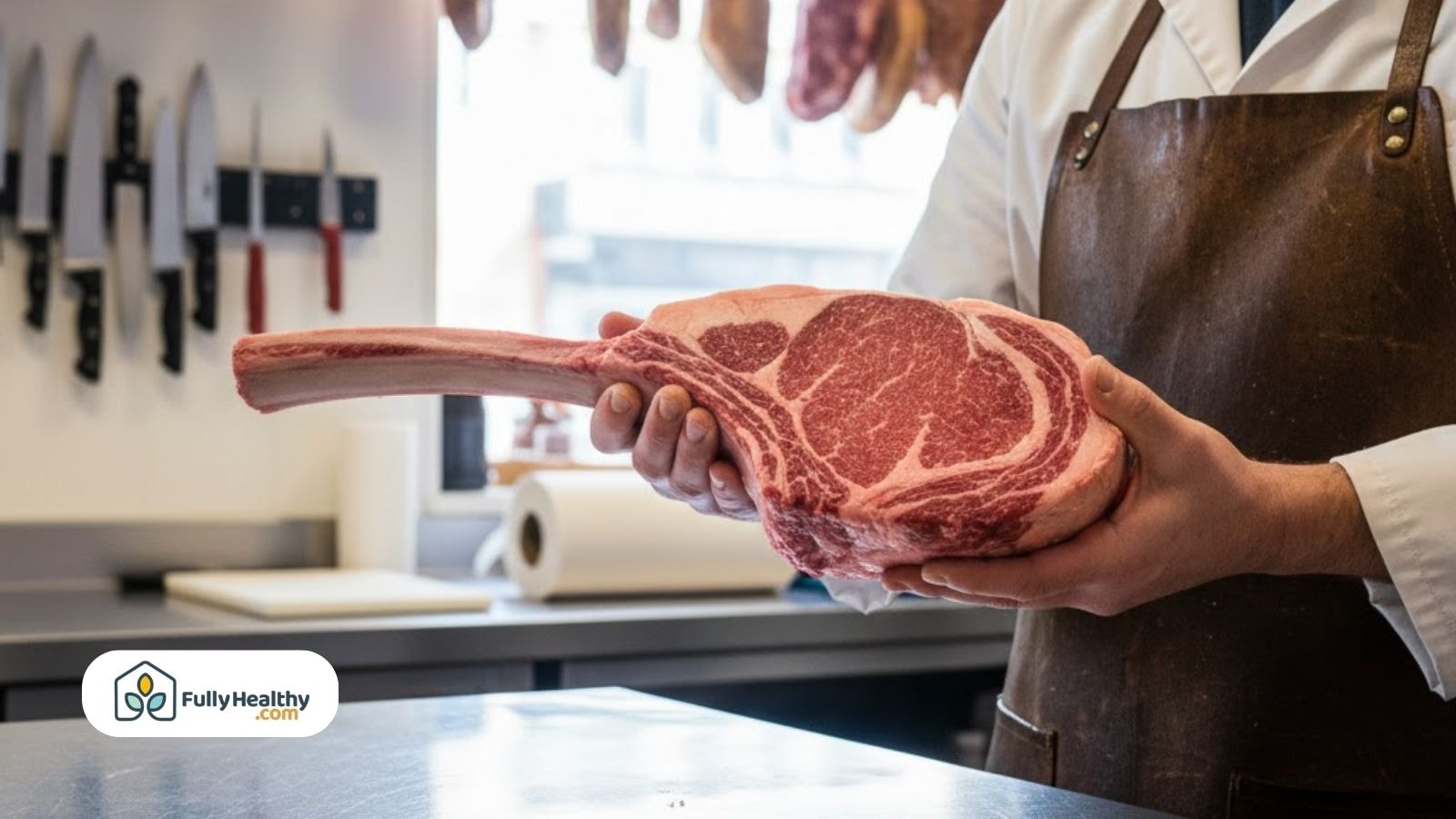
This cut is from the rib primal of the cow, which is the part that prime rib and other high-quality beef rib cuts are taken from. The tomahawk steak is thicker than most other steaks because the rib bone is still attached. It is usually measured in inches instead of weight.
-
Animal source: Taken from the cow’s rib section near the spine.
-
Thickness: Commonly around two inches or more.
-
Bone length: The rib bone extends several inches beyond the meat.
-
Marbling: Visible fat throughout the ribeye adds moisture.
-
Overall size: Larger than most boneless steak cuts.
Why Is a Tomahawk Steak So Expensive?
Meat Quality and Yield Factors
The tomahawk steak comes from ribeye, a cut known for rich flavor, high fat content, and tender texture. Because the rib primal only has a few of these big cuts, each tomahawk steak uses better quality beef than smaller steaks.
-
Marbling: Fat distributed through the meat improves tenderness.
-
Yield: Fewer tomahawk cuts per animal.
-
Size: A big steak requires more beef per portion.
-
Fat content: Higher fat increases weight and cost.
-
Cut selection: Often sourced from higher-grade beef.
Processing, Presentation, and Pricing Context
Tomahawk steaks need more work from the butcher to clean and trim the rib bone besides the meat. Stores and restaurants also take into account the dramatic way the food has to be plated and the extra time it takes to cook such a thick cut when they set their prices.
-
Butcher labor: Extra trimming and shaping of the bone.
-
Presentation value: Long bone adds visual impact on the plate.
-
Cooking time: Thick cuts require more time and attention.
-
Server handling: Often carved or presented tableside.
-
Retail pricing: Bone weight contributes to total cost.
Is Tomahawk Steak Difficult to Cook?
Cooking Challenges Specific to Thick Cuts
Because a tomahawk steak is so thick, it can be hard to cook since the heat takes longer to get to the middle of the meat. If you use high heat too quickly, it can burn one side while the temperature inside stays below the desired level near the bone.
-
Thickness: Thick ribeye steak slows heat penetration.
-
Bone influence: The rib bone affects even cooking.
-
Surface risk: High heat can burn the exterior.
-
Internal temperature: Takes longer to reach desired temperature.
-
Moisture loss: Fast cooking can push juices out.
Common Cooking Approaches Used by Home Cooks
People who cook at home often use controlled methods like reverse searing, oven cooking, or indirect grill heat to cook a tomahawk steak. These methods help slowly raise the internal temperature before using high heat to sear and add flavor.
-
Reverse searing: Low heat first, then a final sear.
-
Oven cooking: Steady heat improves doneness control.
-
Grill setup: Indirect heat zones reduce burn risk.
-
Meat thermometer: Tracks internal temperature accurately.
-
Rest period: Resting helps juices redistribute.
-
Foil use: Wrapping the rib bone prevents burning.
What Are the 5 Levels of Steak?
Standard Doneness Categories
Steak doneness is measured by the temperature inside the meat, not just by the color. These levels help cooks and servers make it clear how well done they want the food to be, especially for thick cuts like a tomahawk steak.
-
Rare: Cool center with an internal temperature around 120–125°F.
-
Medium Rare: Warm red center near 130–135°F.
-
Medium: Pink center with an internal temperature around 140–145°F.
-
Medium Well: Slight pink remaining near 150–155°F.
-
Well Done: Fully cooked through at 160°F and above.
Why Temperature Matters More Than Appearance
For a thick ribeye steak, color may change based on thickness, marbling, and how it's cooked, so you can't always trust your eyes. Meat is cooked to the right level without overcooking it every time by checking its internal temperature.
-
Internal temperature: The most reliable indicator of doneness.
-
Thickness impact: Thick cuts cook unevenly without monitoring.
-
Carryover heat: Temperature rises slightly during rest.
-
Meat thermometer: Reduces guesswork during cooking.
-
Desired doneness: Easier to achieve with precise temperature tracking.
FullyHealthy: Steak Products for Specialty Diets
About the Store
FullyHealthy is an online store focused on products that support specialty and autoimmune-friendly diets through clearly labeled ingredients and curated selections. It serves shoppers who prioritize ingredient transparency while still looking for convenient protein options.
-
Store focus: Specialty diet and autoimmune-friendly products.
-
Shopping model: Online marketplace with curated items.
-
Diet support: Clear ingredient listings for informed choices.
-
Audience: Shoppers managing dietary restrictions.
-
Product range: Shelf-stable and ready-to-eat meat options.
Featured Steak Products and Use Cases
FullyHealthy offers packaged steak-style meat products that offer convenience without requiring full cooking or preparation.
-
EPIC Wagyu Beef Steak Strip (0.8 oz): A single-serve beef strip made from wagyu beef, portioned for quick use without additional seasoning or preparation.
-
EPIC Venison Bar Bites with Beef (2.5 oz): Bite-sized venison and beef pieces designed for easy snacking and controlled portion size.
Final Thoughts
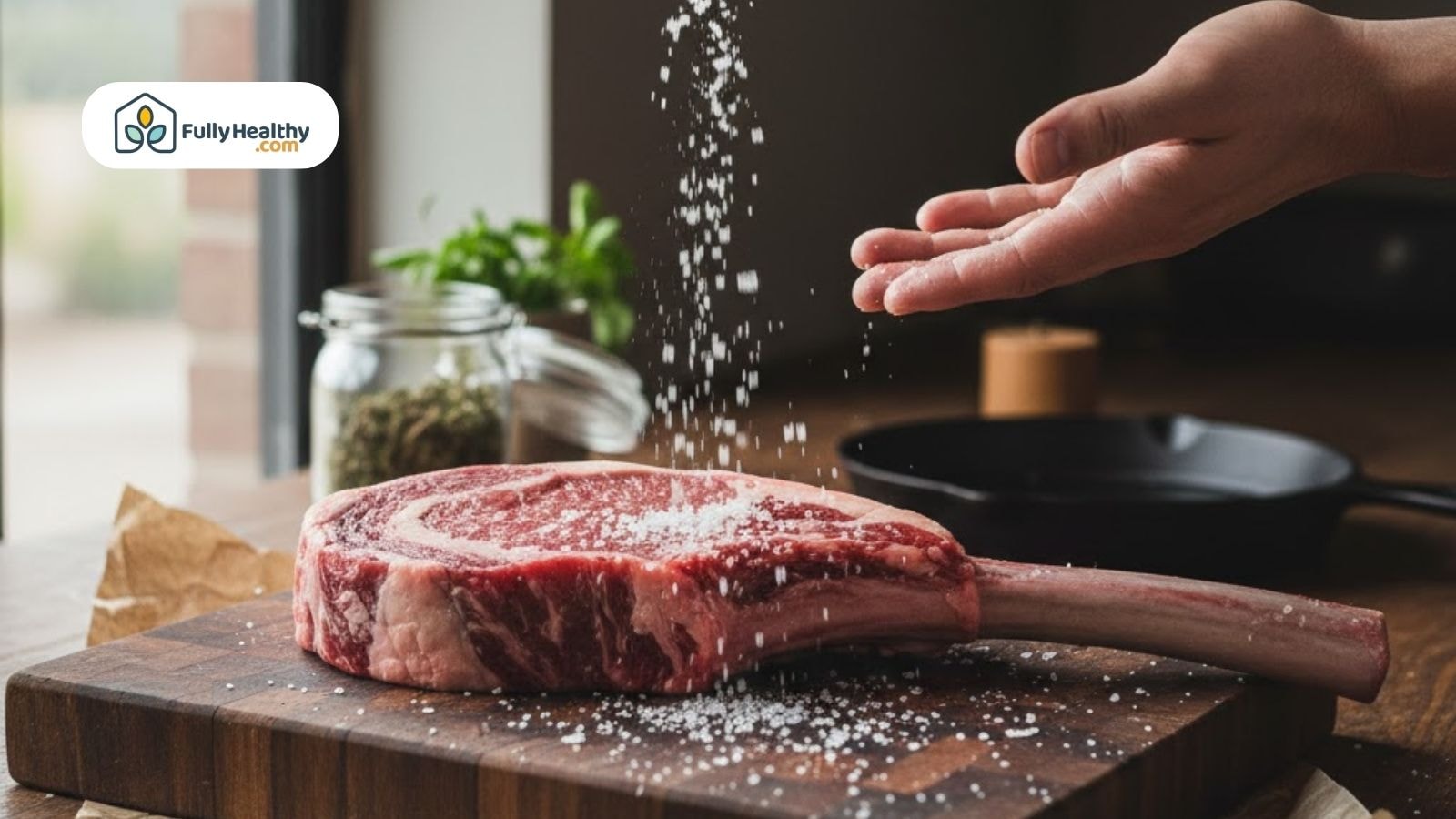
A perfectly cooked tomahawk steak comes down to understanding the cut, managing heat, and keeping things simple. Using salt and pepper, keeping an eye on the temperature, and making sure that rest time is followed will help keep the food moist and tasty. Different recipes and skill levels are suited to different ways of cooking, such as roasting, broiling, or using a smoker.
Remember these basic tips in mind, grab tools early, rest meat from the fridge, slice cleanly, and enjoy every bit.
FAQs
What Is Special About a Tomahawk Steak?
A tomahawk steak stands out because of its clean bone, dramatic size, ribeye steak origin, rich flavor, and the way it is served and carved.
Is a Cowboy Steak the Same as a Tomahawk Steak?
A cowboy steak is similar to a tomahawk steak but has a shorter rib bone, while both come from the rib primal and relate closely to prime rib.
What Is the 3-3-3 Rule for Steaks?
The 3-3-3 rule for steaks refers to cooking one side for three minutes, flipping, cooking again, then resting to manage heat and internal temperature.
What Is a Ribeye Steak and How Is It Cut?
A ribeye steak is a cut of beef taken from the rib section, known for its marbling, tenderness, and rich flavor.
What Is Prime Rib and How Is It Usually Served?
Prime rib is a large beef roast from the rib section, typically slow-roasted and served in thick slices rather than as individual steaks.
Leave a comment