

What Is Cassava? A Simple Guide to Nutrition, Uses, and Risks
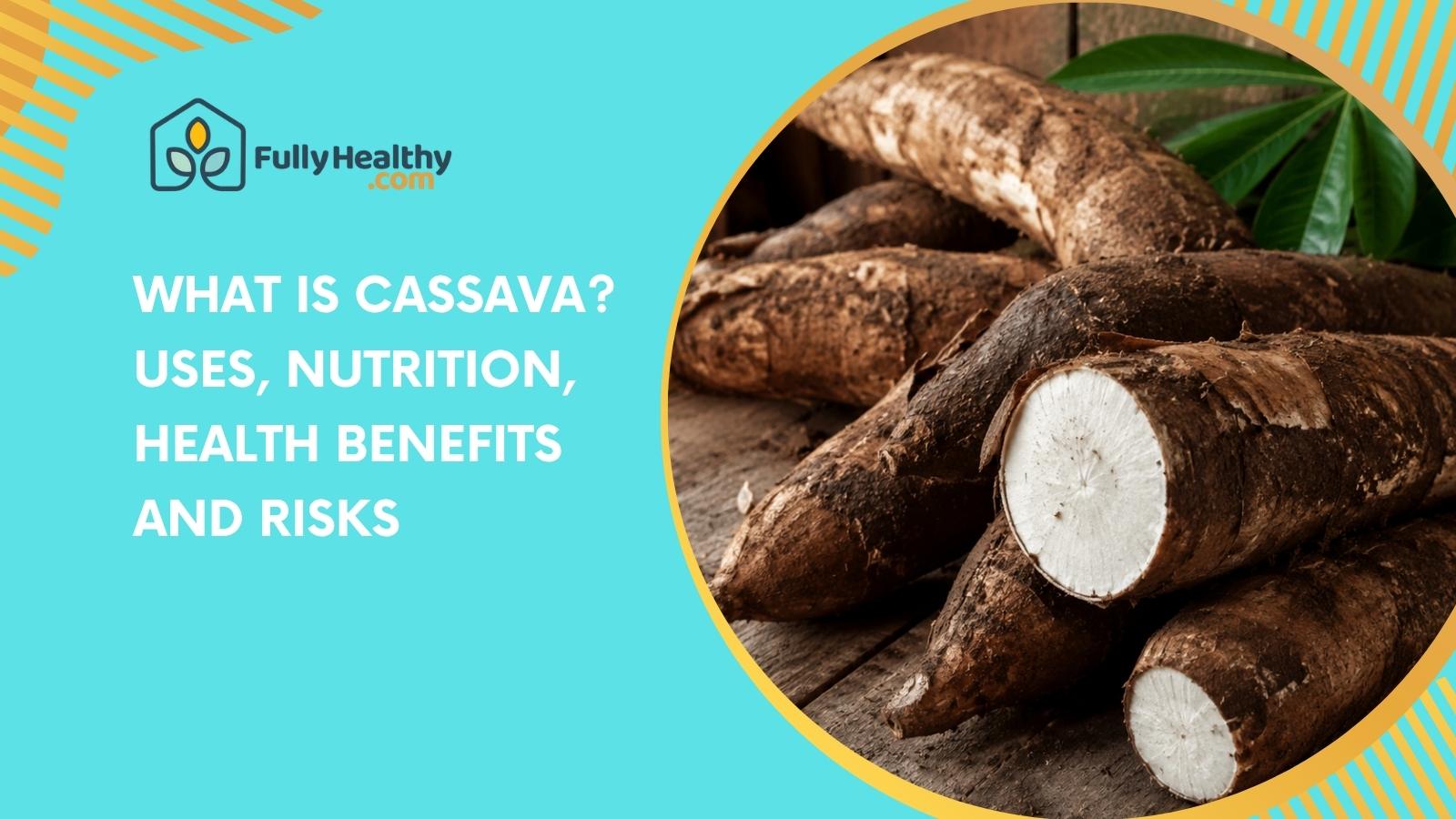
Cassava is a starchy root vegetable also called yuca or manioc. It is widely eaten around the world and used in foods like flour, tapioca, and tortillas. Cassava offers vitamin C and carbohydrates, but it must be prepared safely. It is nutritious, though not always healthier than potatoes.
What Is Cassava?
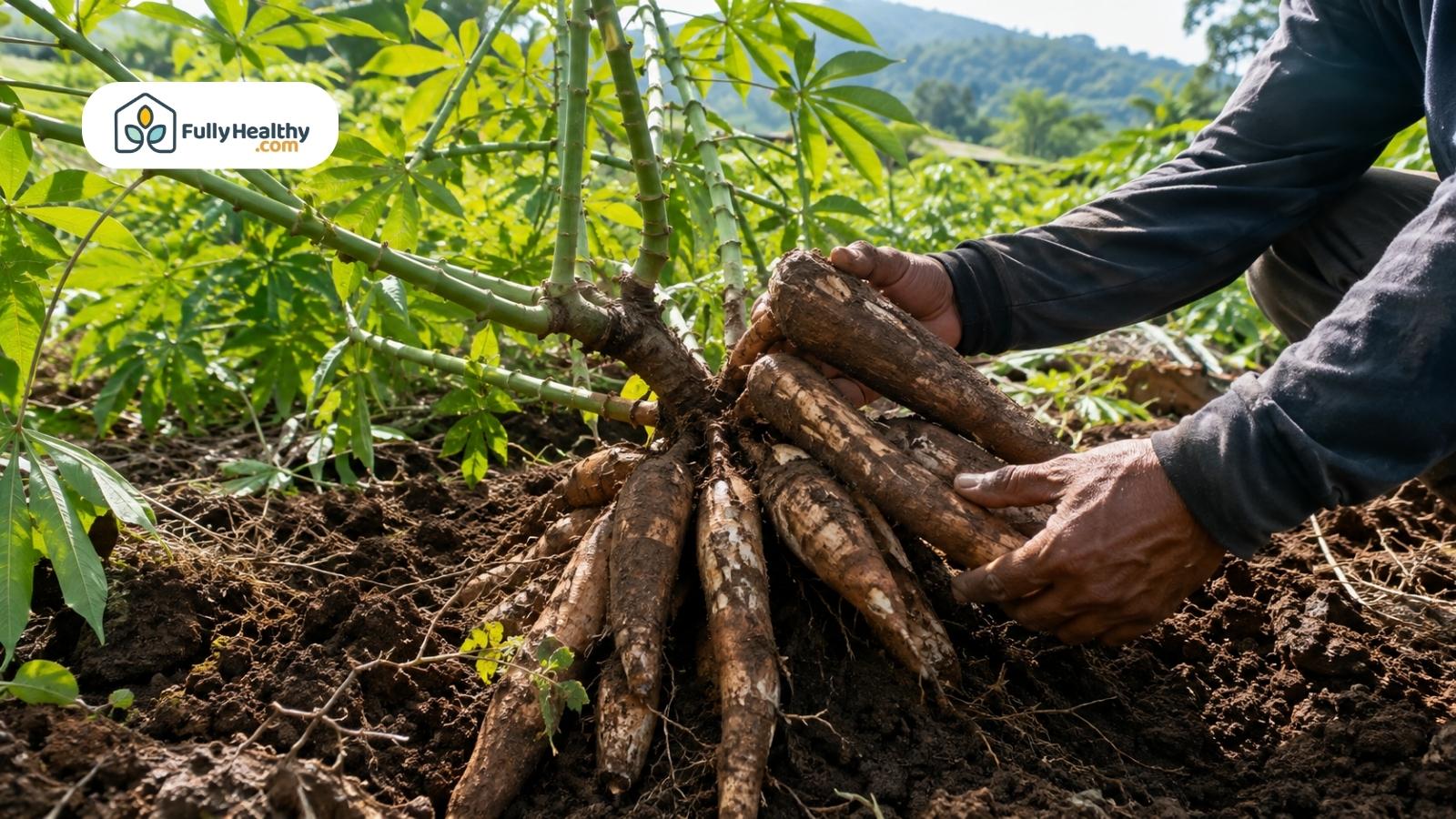
Cassava is the starchy root of Manihot esculenta. Native to South America, it became a staple food across many tropical regions. The root is rich in carbohydrates, while cassava leaves are also eaten after preparation.
Where Does Cassava Come From, and Why Is It a Global Staple?
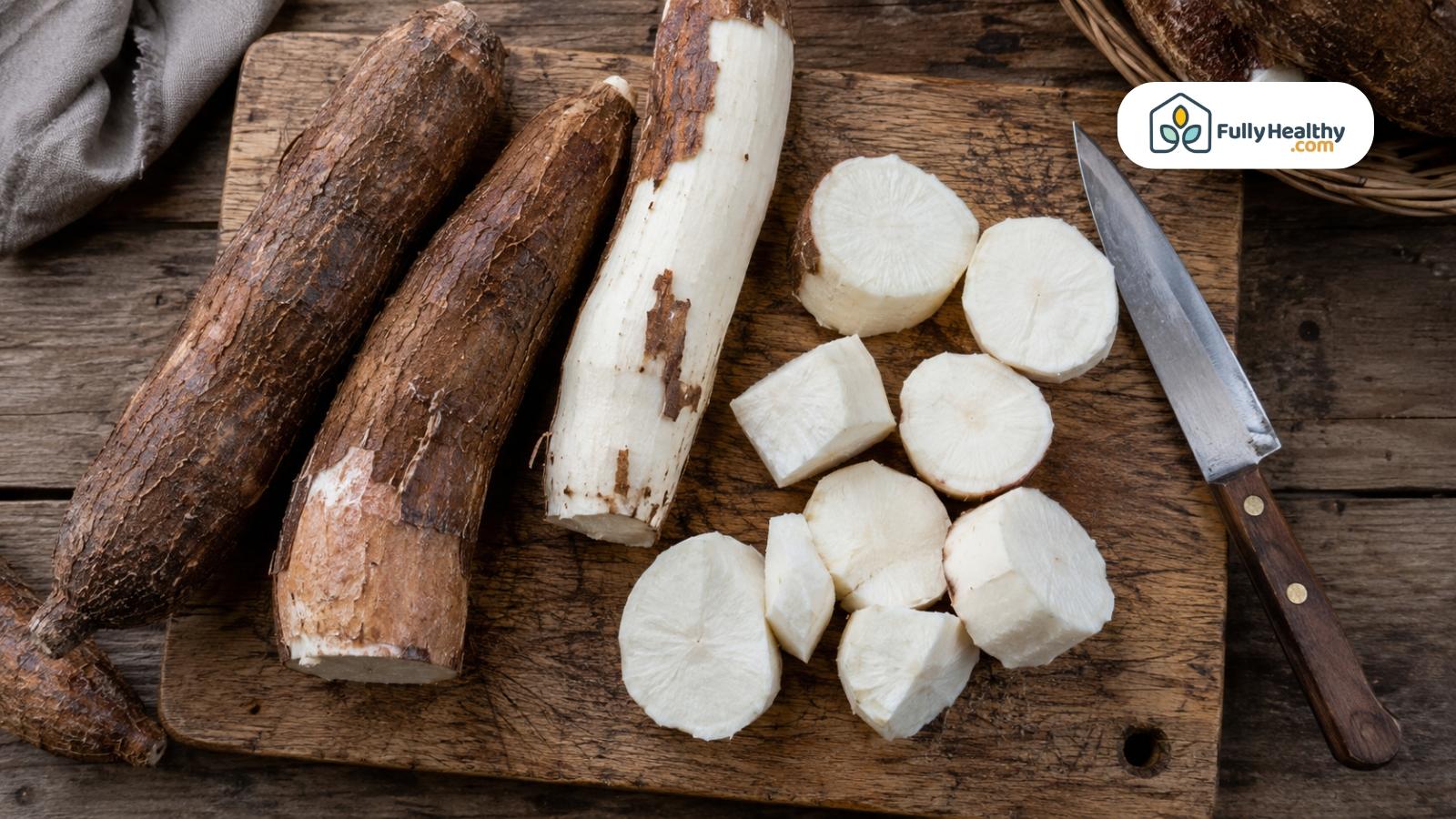
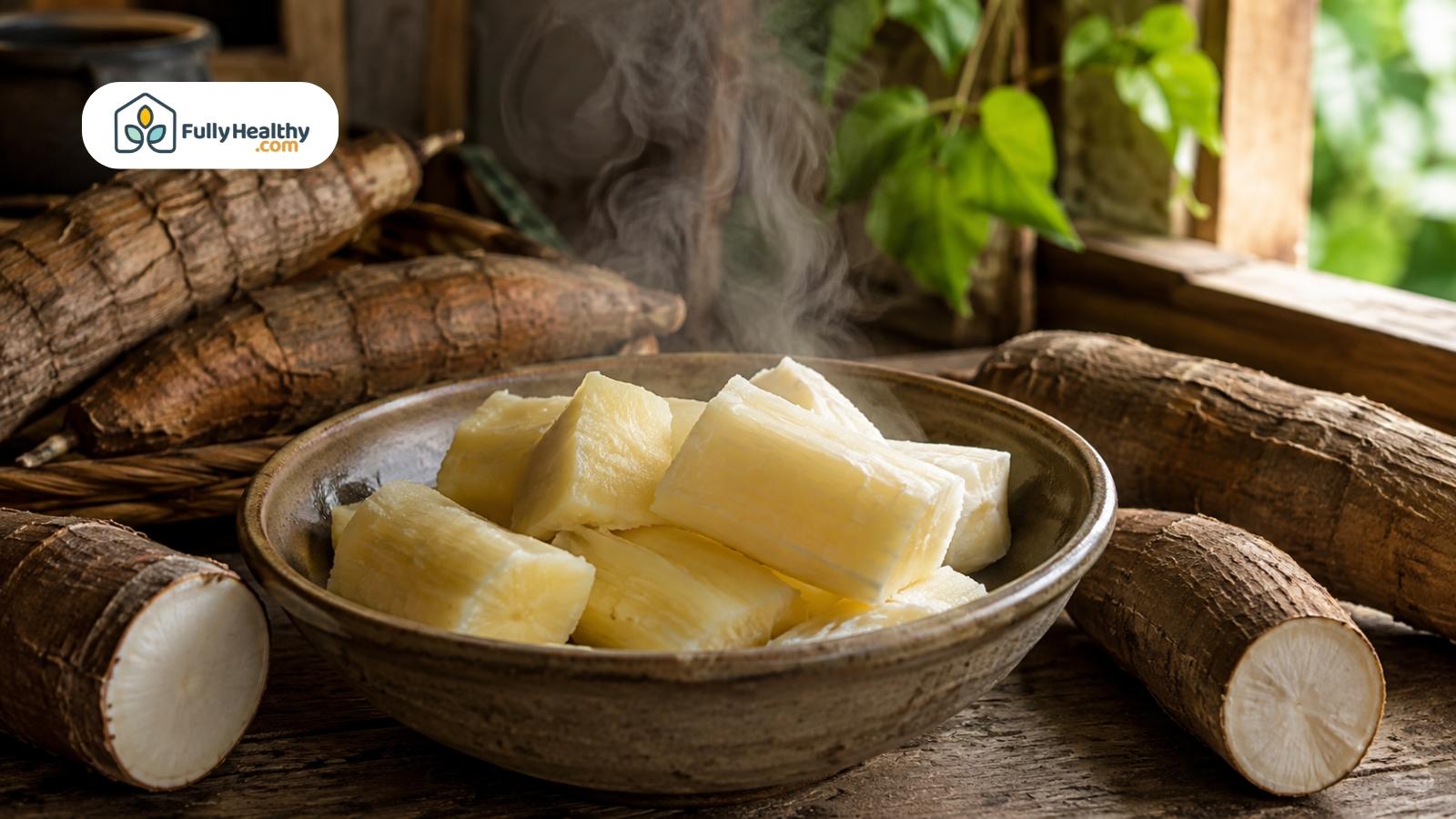
Cassava grows well in warm climates and tolerates drought and poor soil. Cassava root has brown skin and firm white flesh.
-
Common names: Cassava is also called yuca, manioc, and mandioca.
-
Global importance: Its resilience supports cassava production across Africa, Asia, and South America.
-
Safety note: Fresh cassava must be prepared correctly and should never be eaten raw.
What Is Cassava Used for in Foods Around the World?
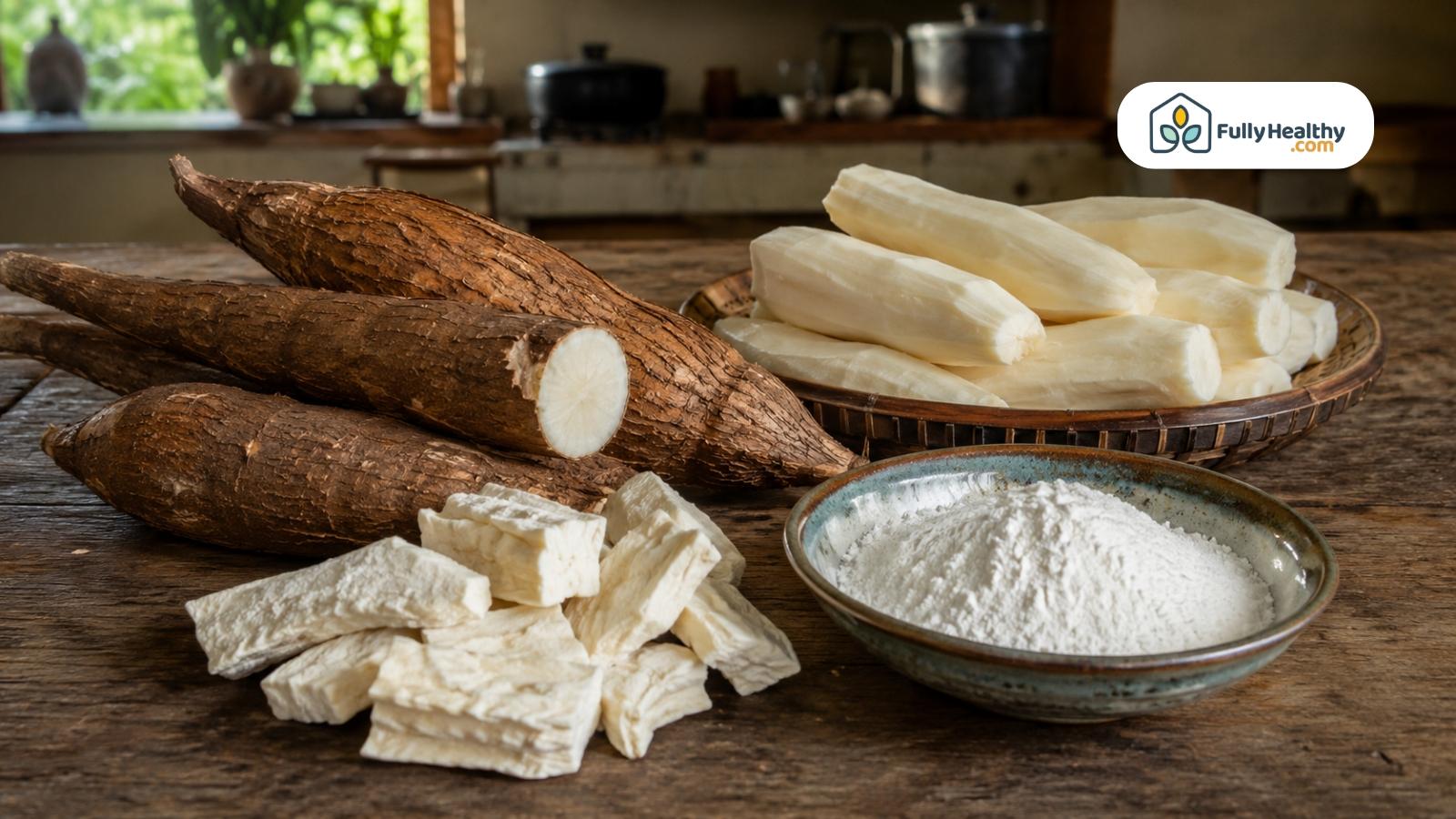
Cooked cassava can be boiled, mashed, baked, or fried. It is also processed into cassava flour and cassava starch. Tapioca starch is starch extracted from cassava.
-
Traditional foods: Cassava is used in fufu, garri, farofa, and cassava cake.
-
Baking uses: Cassava flour has a neutral flavor and works in grain free recipes, gluten free baking, and baked goods.
-
Tapioca products: Tapioca pearls made from cassava starch create the chewy texture in bubble tea.
Is Cassava Good or Bad for You?
Cassava can fit a healthy diet when prepared properly, but it has safety concerns. It provides carbohydrates, vitamin C, fiber, and resistant starch. Raw cassava contains cyanogenic glycosides, so safe processing and cooking are essential.
What Nutrients and Potential Benefits Does Cassava Provide?
A 100-gram serving of cooked cassava provides about 191 calories, 40 grams of carbohydrates, 1.5 grams of protein, and 2 grams of fiber. It also supplies vitamin C and copper.
-
Resistant starch: This starch resists digestion and reaches the large intestine, where gut bacteria can ferment it.
-
Gluten-free choice: Cassava can become gluten free flour and replace wheat flour in some gluten free baked goods.
-
Health benefits: Resistant starch may support digestion, but cassava should not be described as preventing disease.
Why Can Raw or Improperly Prepared Cassava Be Dangerous?
Raw cassava contains cyanogenic glycosides that can release hydrogen cyanide. Poorly processed cassava can cause cyanide poisoning.
-
Preparation: Peel and process fresh cassava properly, then cook it thoroughly before you eat cassava.
-
Raw warning: Do not eat raw cassava because processing and heat help reduce harmful compounds.
-
Serious risk: High cyanide exposure can harm the nervous system and organs; claims involving chronic pancreatitis need stronger evidence.
Is Cassava Healthier Than a Potato?
Cassava is not always healthier than potato. Serving size and cooking method affect nutritional value. By equal raw weight, cassava contains more calories and carbohydrates than potato.
Does Cassava Have More Calories and Carbs Than Potatoes?
Per 100 grams raw, cassava provides about 160 calories and 38.06 grams of carbohydrates. Potato provides about 77 calories and 17.49 grams. Frying either food, such as making french fries, adds fat.
-
Protein: Potato provides about 2.05 grams per 100 grams, compared with 1.36 grams in cassava.
-
Fiber: Potato provides about 2.1 grams, compared with 1.8 grams in cassava.
-
Fair comparison: Compare similar portions and cooking methods when choosing between them.
Which Has More Vitamins and Minerals: Cassava or Potato?
Potato generally provides more potassium, iron, phosphorus, and vitamin B6. Cassava provides more calcium, folate, choline, vitamin E, manganese, and selenium. Neither root is better in every category.
-
Potassium: Potato provides about 425 milligrams per 100 grams, compared with 271 milligrams in cassava.
-
Folate: Cassava provides about 27 micrograms, compared with 15 micrograms in potato.
-
Vitamin C: Raw values are similar, with about 20.6 milligrams in cassava and 19.7 milligrams in potato.
How Can FullyHealthy Help You Shop for Cassava Products?
FullyHealthy helps shoppers find specialty-diet foods with ingredient details and dietary labels. Its cassava products offer choices for baking, snacking, and meals.
How Does FullyHealthy Make Specialty-Diet Cassava Shopping Easier?
Cassava is naturally gluten free, making it useful for specialty diets. FullyHealthy organizes products by dietary needs so shoppers can compare options easily.
-
Diet filters: Shoppers can review AIP, gluten-free, grain-free, and other dietary labels.
-
Ingredient details: Product pages list ingredients to support informed choices.
-
Easy browsing: Organized categories make specialty foods faster to find.
Which Cassava Products Can You Find at FullyHealthy?
FullyHealthy offers verified cassava products for everyday uses.
-
Baking: Otto’s Naturals Cassava Flour, 2 lb, works for baking and thickening.
-
Snacking: Reelie Cassava Strips With Sea Salt, 4.5 oz, provide a ready-to-eat option.
-
Meals: Coyotas Organic Cassava Tortillas, 9-inch, 6 count, work well for wraps, tacos, and burritos.
Final Thoughts
Understanding what is cassava helps you enjoy this versatile food safely. The cassava plant, or Manihot esculenta Crantz, was domesticated in Latin America and is now important in West Africa, Asian countries, and the Democratic Republic of the Congo.
Fresh cassava root can be a key ingredient, side dish, or alternative to rice and sweet potatoes. The whole root can also become cassava flour or tapioca flour for many recipes. However, bitter cassava and other bitter varieties require proper processing before eating to reduce harmful compounds and health risks.
FAQs
Can You Eat Fresh Cassava Root?
Yes, fresh cassava root can be eaten after it is peeled, processed correctly, and thoroughly cooked.
Why Is Bitter Cassava a Concern?
Bitter cassava contains more cyanogenic compounds, so poorly processed bitter varieties can increase the risk of cyanide exposure.
Can Cassava Affect Thyroid Function?
Heavy exposure to poorly processed cassava, especially with poor nutrition, has been linked to impaired thyroid function and endemic goitre in regions such as southwestern Nigeria.
Where Is the Cassava Plant Commonly Eaten?
Cassava is widely eaten across Latin America, West Africa, Asian countries, and countries including the Democratic Republic of the Congo.
How Can Cassava Be Used in Cooking?
The whole root can be served as a side dish instead of rice or sweet potatoes, while tapioca flour and cassava-based ingredients work in many recipes.
Leave a comment