

What Does Tamarind Taste Like? A Guide to Its Sweet-Sour Flavor

Tamarind tastes sweet, sour, tangy, and slightly fruity, with ripe fruit becoming sweeter and more mellow. Its natural acids create the sharp taste and may bother sensitive teeth. You can eat tamarind fresh or use paste and puree in sauces, drinks, chutneys, marinades, and other dishes for easy everyday cooking.
What Does Tamarind Taste Like?

Tamarind has a bold sweet and sour flavor profile. The tamarind fruit is sharply tart when young, while ripe fruit becomes sweeter and develops a mild, molasses-like flavor. Tamarindus indica, the tamarind tree, grows in tropical regions. Its brown tamarind pods contain sticky pulp around hard seeds.
This pulp creates the sour taste used in many cuisines across Southeast Asia, the Middle East, South America, and other tropical regions. Tamarind is not naturally spicy. If a dish tastes hot, the heat usually comes from chili, ginger, or other seasonings. Its balanced acidity works well in both sweet and savory dishes.
What Does Tamarind Taste Like When It Is Ripe?
Ripe tamarind generally tastes sweeter and fruitier than immature tamarind, but tamarind can retain substantial acidity during ripening; the sweeter perception does not necessarily mean its acid concentration decreases substantially. Sweet tamarind has a smoother flavor, while less-ripe pulp can taste much more tart and make your mouth pucker.
-
Ripe tamarind: It has more sweetness and a softer, fruitier taste.
-
Young tamarind: It has a stronger sour taste and sharper acidity.
-
Added sweetness: Brown sugar is sometimes mixed with tamarind to balance its tart flavor.
-
Spicy dishes: Tamarind spicy recipes usually get their heat from chili or other spices, not the fruit itself.
Why Does Tamarind Taste So Sour and Tangy?
Tamarind contains tartaric acid, a natural acid that gives the fruit its strong tang. Its sourness can remind you of lime or vinegar, but tamarind also has fruity notes and natural sweetness that make its flavor more complex.
-
Tamarind paste: It gives sauces and recipes a rich sweet-and-sour flavor.
-
Tamarind concentrate: It has a stronger taste, so a small amount can add plenty of flavor.
-
Compressed blocks: These provide another useful form of tamarind pulp for cooking.
-
Savory recipes: Pad Thai often combines tamarind with ingredients such as fish sauce for a deeper, balanced taste.
Why Do My Teeth Hurt After Eating Tamarind?
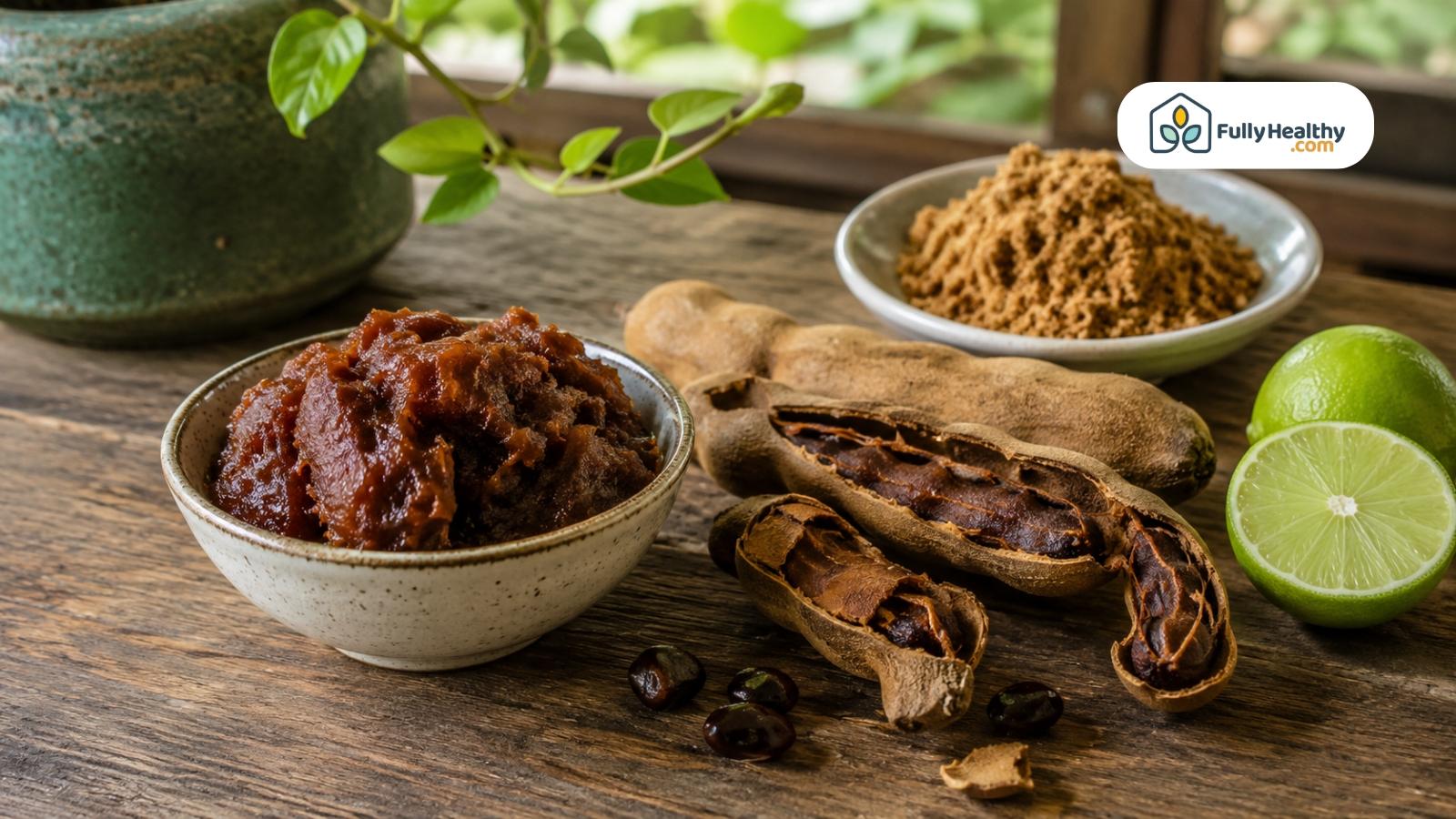
The natural acidity behind tamarind’s sharp flavor may bother sensitive teeth. Winning Smiles Dental Surgery lists tamarind at a pH of 2.50–3.00 and explains that frequent exposure to acidic foods may wear down enamel, the hard outer layer of your teeth. When enamel becomes thinner, the more sensitive dentin underneath may react to acidic, hot, cold, or sweet foods. One serving does not automatically damage your teeth, but repeated exposure can increase the risk of sensitivity over time.
How Can Tamarind’s Acidity Trigger Tooth Sensitivity?
Acidic foods can temporarily soften the tooth surface. With frequent exposure, this acidity may contribute to enamel erosion. People who already have worn enamel may notice discomfort after eating whole pods, raw tamarind, tamarind juice, or other acidic tamarind products.
-
Tooth sensitivity: Teeth may react to hot, cold, sweet, or acidic foods.
-
Frequent exposure: Repeated contact with acidic foods may increase enamel wear.
-
Existing enamel damage: Teeth with thin or weakened enamel can feel more sensitive.
-
Ongoing pain: Persistent or severe tooth pain should be checked by a dentist.
What Should You Do After Eating Tamarind to Protect Your Teeth?
After you eat tamarind raw or drink tamarind juice, rinse your mouth with plain water. Avoid brushing right away because acidic foods can temporarily soften enamel. The dental source recommends waiting about 30 minutes before brushing with fluoride toothpaste and a soft-bristled toothbrush.
-
Rinse with water: This helps wash away acids left in your mouth.
-
Wait before brushing: Give your enamel time to recover before using a toothbrush.
-
Use fluoride toothpaste: Fluoride can help strengthen and protect tooth enamel.
-
Support saliva flow: Saliva naturally helps neutralize acids and protect your teeth.
What Is the Best Way to Eat Tamarind?
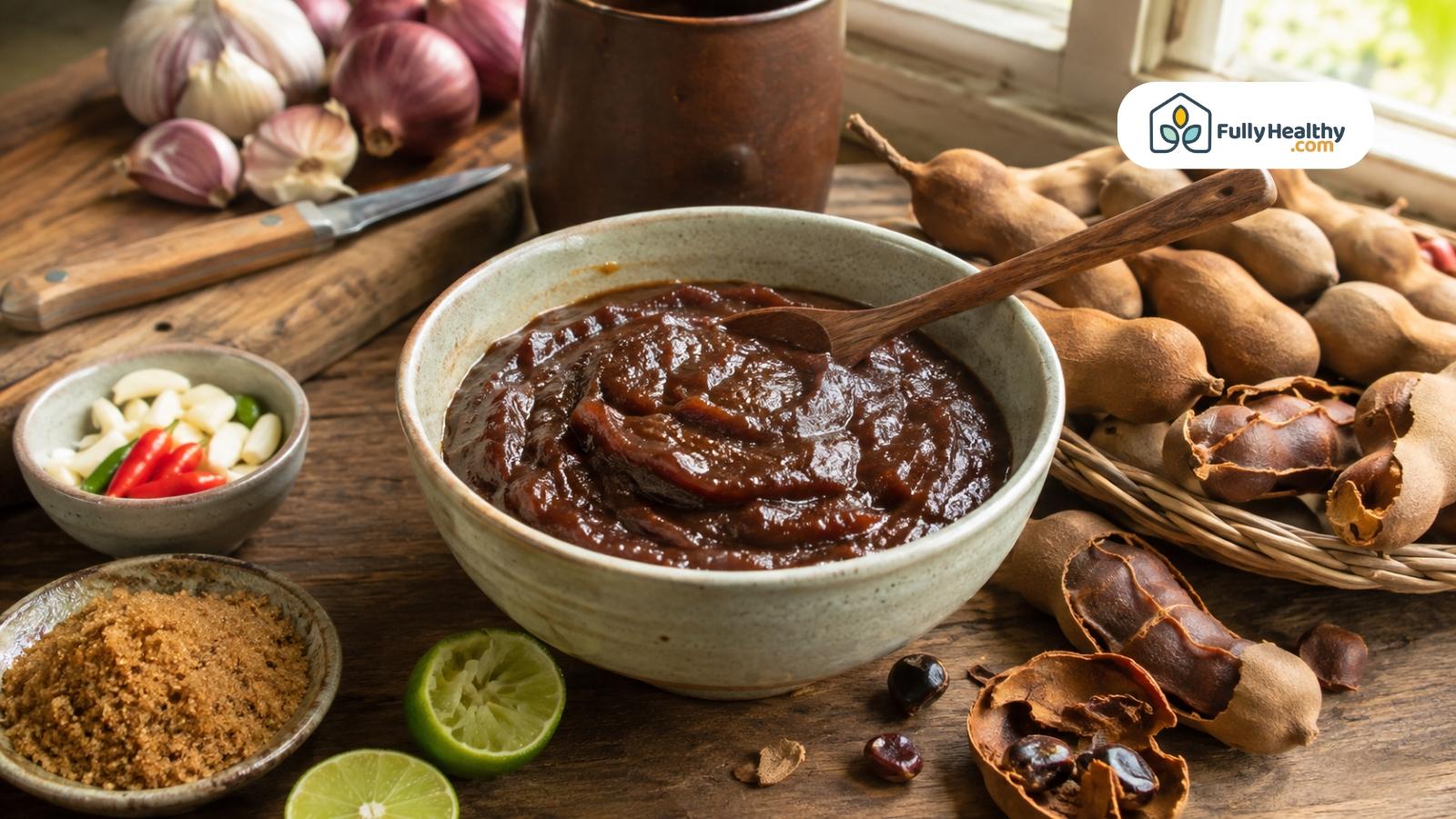
There is no single best way to eat tamarind because the right form depends on how you want to use it. To taste the tropical fruit naturally, crack open whole tamarind pods and eat the sticky pulp around the seeds. For cooking, tamarind paste, concentrate, puree, or compressed blocks are easier to use. These several forms work well in sauces, soups, curries, marinades, candies, and drinks such as agua fresca.
Can You Eat Tamarind Straight From the Pod?
Yes, you can eat tamarind raw. Break the pod, remove the hard shell and stringy fibers, and eat the sticky pulp while avoiding the seeds. Ripe whole pods are usually sweeter, while younger tamarind has a stronger tart taste. Eating fresh pulp is one of the easiest ways to understand the fruit’s natural flavor.
-
Open the pod: Crack the hard shell and remove the stringy fibers.
-
Eat the pulp: Enjoy the sticky pulp around the seeds, but do not eat the seeds.
-
Choose ripe fruit: Ripe tamarind is usually sweeter and less sharply tart.
-
Taste it plain: Fresh pulp is one of the easiest ways to understand tamarind’s natural flavor.
Is Tamarind Paste or Puree Easier to Use for Cooking?
Tamarind paste or puree is often easier for everyday cooking because the hard shell, fibers, and seeds have already been removed. You can stir it into soups, curries, sauces, marinades, drinks, and other savory dishes without preparing whole pods first.
-
Tamarind paste: It is convenient for sauces, soups, curries, and marinades.
-
Tamarind puree: It offers a smooth texture that is easy to mix into recipes.
-
Tamarind concentrate: It provides stronger flavor, so recipes usually need less.
-
Check the label: Some prepared tamarind products may contain added sugar or other ingredients.
How Can FullyHealthy Help You Cook With Tamarind?

FullyHealthy helps shoppers find specialty foods in one place, which can make ingredient-conscious cooking easier. For tamarind recipes, the site offers verified products that can add sweet-sour flavor, citrus brightness, or acidity to sauces, marinades, drinks, and desserts.
How Can FullyHealthy's Tamarind Puree Make Cooking Easier?
Glory Bee Organic Tamarind Puree is a simple option for adding tamarind flavor without opening pods or removing seeds. Its product listing names organic tamarind as the only ingredient, making it easy to use in both sweet and savory recipes.
-
Ready to use: Add the puree directly to chutneys, sauces, marinades, glazes, dressings, stir-fries, or drinks.
-
Balanced flavor: Its tart, sweet-sour taste can also work well in desserts or homemade Mexican candies.
-
Simple ingredient list: The product page lists organic tamarind as the only ingredient.
Which FullyHealthy Products Can Complement Tamarind Recipes?
FullyHealthy also carries other acidic ingredients that can support tamarind-based recipes. These products do not copy tamarind's unique flavor, but they can add brightness or extra tang when a recipe needs it.
-
Glory Bee Organic Tamarind Puree, 12 oz: Provides the main tamarind flavor with a tart, sweet-sour profile.
-
Lakewood Pure Organic Lime Juice, 12.5 oz: Adds bright citrus acidity to sauces, marinades, and drinks.
-
Bragg Organic Citrus Ginger Apple Cider Vinegar with The Mother, 16 oz: Adds acidity to marinades, vegetables, and dressings, though its listed ingredients should be checked because the page contains conflicting details.
Final Thoughts
What does tamarind taste like? Its flavor is tart, tangy, fruity, and naturally sweet, with ripe tamarind offering more sweetness. This versatile fruit works well in sauces, curries, drinks, desserts, and marinades. Tamarind has also appeared in traditional medicine, although culinary use does not prove health benefits.
Tamarind pulp is widely consumed as a food and is generally well tolerated in customary dietary amounts; however, this statement should not be interpreted as establishing safety for concentrated extracts, supplements, or unusually large medicinal doses.
Store unopened whole pods in a cool, dry place and follow package directions for processed products. In recipes, tamarind pairs well with salt, coconut, lemon, or honey. Whether tamarind is good for a dish depends on the flavor and acidity you want.
FAQs
What Does Tamarind Taste Like?
Tamarind tastes tart, tangy, fruity, and sweet, with ripe fruit offering a milder balance.
Is Tamarind Good With Coconut?
Yes, tamarind can pair with coconut when a recipe benefits from creamy richness and tart flavor.
Can You Mix Tamarind With Lemon or Honey?
Yes, lemon can increase acidity, while honey can add sweetness to balance tamarind's tartness.
Is Tamarind Generally Safe to Eat?
Tamarind is generally safe as a food for most people, although individual dietary needs can vary.
How Should You Store Tamarind?
Keep whole tamarind pods in a cool, dry place, while packaged tamarind should be stored according to its label.
Leave a comment