

What Is Cassava Flour? From Cassava Root to Your Kitchen
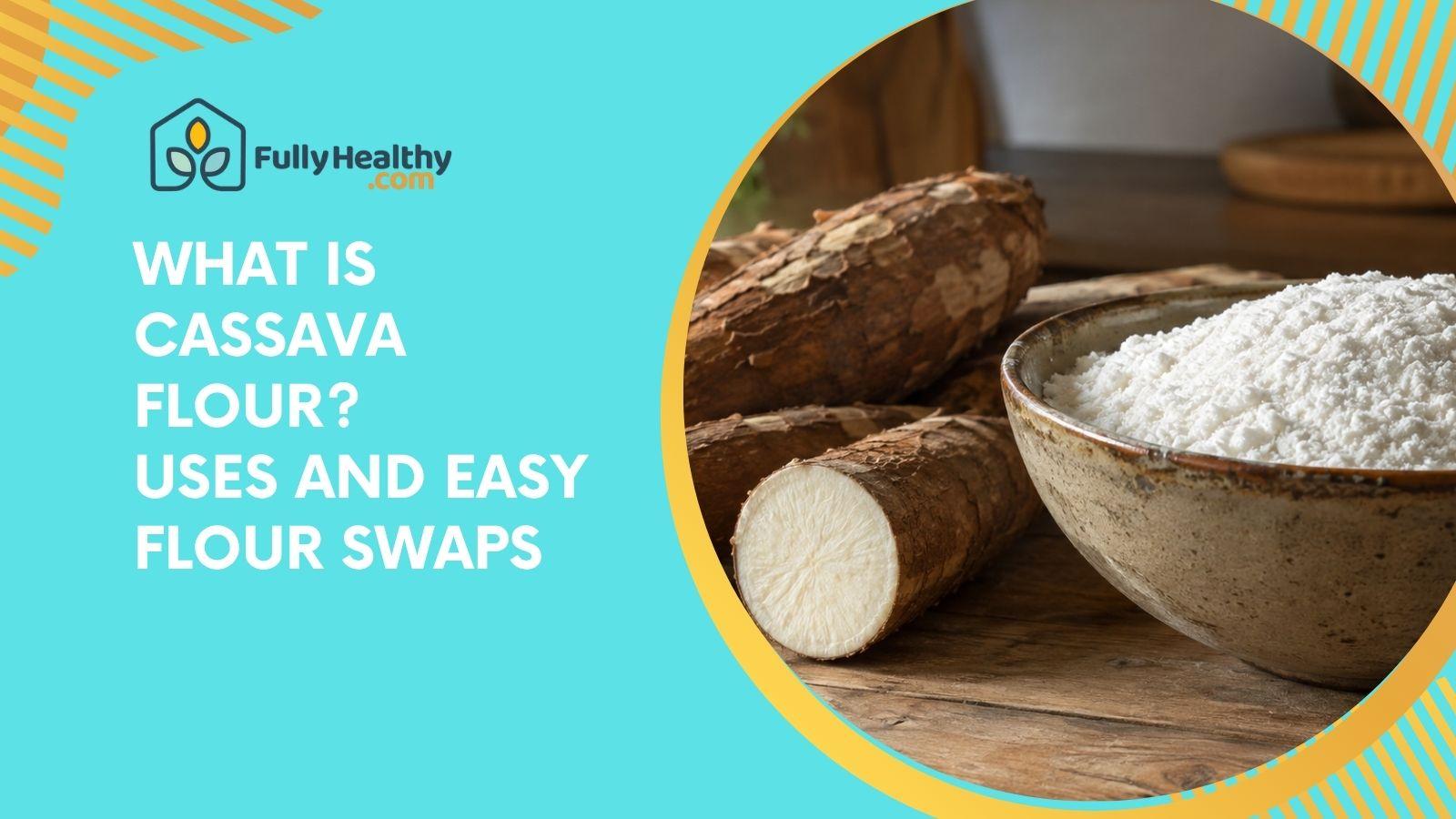
Cassava flour is a gluten-free flour made from cassava root. It has a mild taste and works well in baking, cooking, and thickening. This article explains what cassava flour is, how to use it, the best substitutes, and how FullyHealthy can help you find specialty diet products with greater ease.
What Is Cassava Flour?
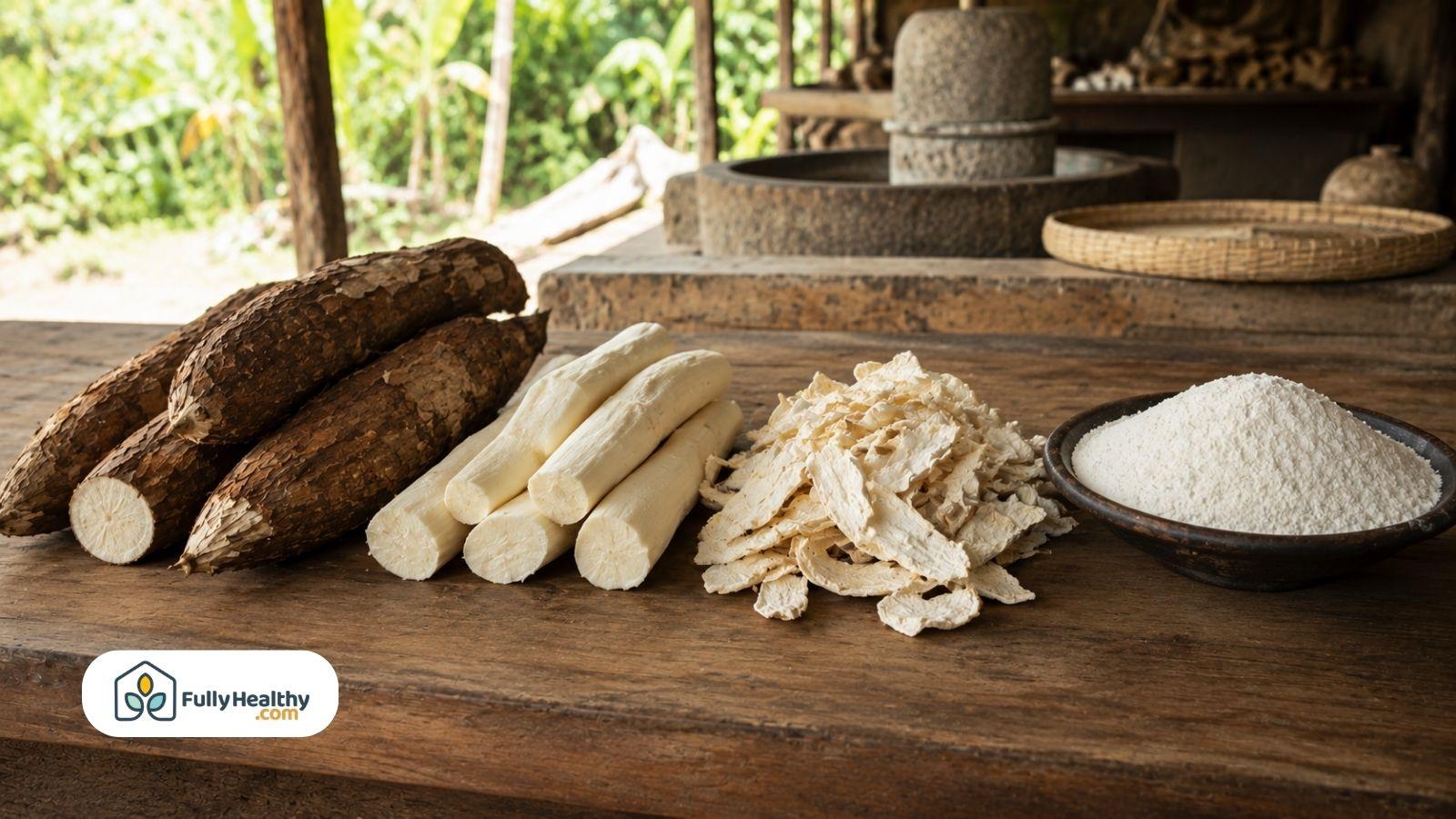
What is cassava flour? Cassava flour is a naturally gluten free flour made from cassava root. Cassava is a staple food in South America and other tropical regions. The cassava plant is a perennial crop and an important part of tropical agriculture because it grows well in warm climates and provides a reliable source of carbohydrates.
What Is Cassava Flour Made From?
Cassava flour is generally produced from peeled cassava root flesh that is dried and milled, whereas tapioca flour/starch is the purified starch extracted from cassava root. Although both come from the same plant, tapioca flour is mostly extracted starch.
Cassava-flour processing varies by method and may include peeling, washing, grating or chipping, dewatering and/or soaking or fermentation, drying, and milling. Soaking is not universal to all cassava-flour production.
Cassava roots naturally contain the cyanogenic glycosides linamarin and lotaustralin, which can generate hydrogen cyanide when plant tissue is disrupted; appropriate processing substantially reduces cyanogen concentrations. Proper processing methods help reduce these compounds and make cassava products safer to eat.
-
Processing: Processing methods including grating, soaking, fermentation, dewatering, drying and cooking can reduce cassava cyanogens, although effectiveness varies by method, duration, root variety and initial cyanogen concentration.
-
Whole-root flour: Manioc flour uses more of the whole tuberous storage root or fibrous cassava root, while tapioca starch comes mainly from the starch portion. Cassava/manioc flour generally contains substantially more of the root tissue than purified tapioca starch.
-
Storage: Keep cassava flour in an airtight container in a cool, dry place. Shelf life depends on the brand, so check the package instead of assuming it will last up to two years.
-
Texture: The finished flour has a neutral taste and fine texture, which makes it easy to use in both sweet and savory dishes.
What Is Cassava Flour Used For In Cooking And Baking?
Cassava flour can be used in baked goods, savory dishes, sauces, and several recipes that need a thickening agent. It can sometimes replace wheat flour in wheat flour recipes, but it does not always behave exactly like regular wheat flour.
Cassava flour is used in gluten-free baking, but its baking performance and texture depend strongly on formulation and product type; it does not reproduce wheat gluten’s viscoelastic properties.
-
Special diets: Pure cassava flour contains no gluten, grains, or nuts as ingredients. It is commonly permitted in Paleo-style and Autoimmune Protocol dietary frameworks, although these diet classifications are not nutritional properties of the flour itself.
-
Baking: Cassava flour recipes may require small changes to liquids, eggs, or baking powder because different flours absorb moisture in different ways.
-
Nutrition: Cassava root and cassava flour are predominantly carbohydrate, chiefly starch. Resistant-starch content varies substantially with cultivar and processing and should not be assumed to be high in all cassava flours. Cassava root flour is generally low in protein and total fat compared with many cereal and legume flours.
-
Health claims: Some research on resistant starch looks at blood sugar control and other health benefits, but those findings should not automatically be treated as proven benefits of cassava flour itself.
What Is The Substitute For Cassava Flour?
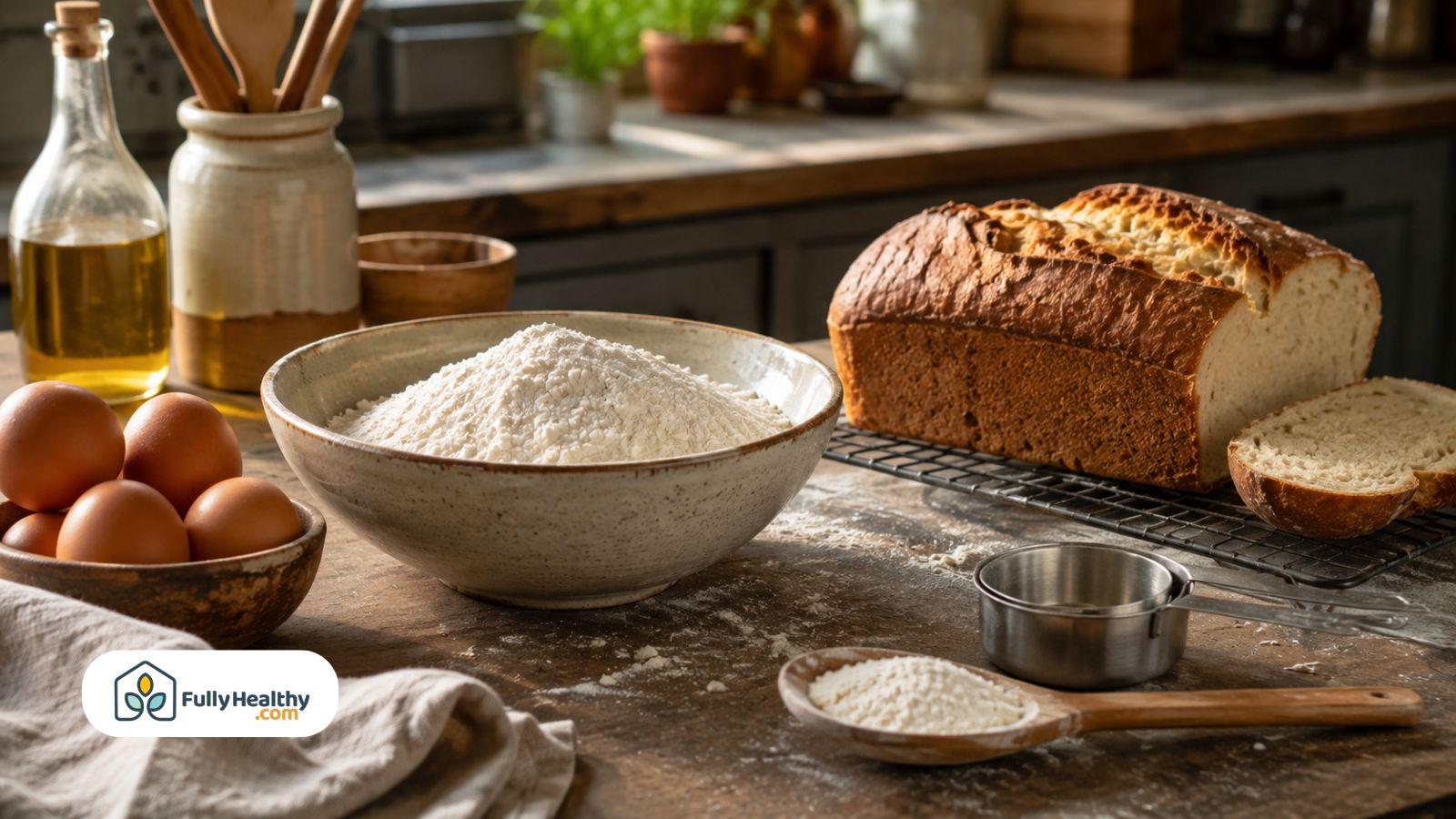
There is no single best substitute for cassava flour. The right choice depends on what you are making. Some other gluten free flours work well in cakes and breads, while starches such as tapioca or arrowroot are better for thickening or adding chewiness.
What Is The Best Cassava Flour Substitute For Baking?
Rice flour, coconut flour, gluten free flour blends, and other flours can work as substitutes, but each one changes the recipe differently. It is better to choose based on texture, flavor, and moisture needs instead of using the same ratio for every recipe.
-
Rice flour: Rice flour may substitute for cassava flour in some formulations, but there is no scientifically established universal substitution ratio; the appropriate amount depends on the recipe and the functional properties of the flour.
-
Coconut flour: Coconut flour absorbs much more liquid than cassava flour. Coconut flour has substantially different water-binding and compositional properties from cassava flour, so no universal scientifically validated replacement ratio applies.
-
Gluten free blends: A gluten-free flour blend may work as a simple replacement in some recipes, but check whether it already contains binders such as xanthan gum.
-
Recipe testing: Start with the recommended ratio, then adjust carefully. Different recipes contain different amounts of fat, eggs, and liquid.
What Is The Difference Between Tapioca, Arrowroot, And Cassava Flour?
Tapioca flour and cassava flour come from the same plant, but they are not the same product. Cassava flour uses more of the entire root, while tapioca starch is mainly the extracted starch. Arrowroot comes from a different plant and is often used as a light thickening agent.
-
Tapioca flour: Tapioca adds chewiness and elasticity, which can be useful in gluten free baking and some baked goods.
-
Arrowroot: Arrowroot works well in sauces, soups, and stews because it thickens liquids without adding a strong taste.
-
Substitution ratio: Tapioca starch, arrowroot starch and cassava flour have different functional properties; no universal scientifically validated volume-for-volume substitution ratio applies across recipes.
-
Best use: Cassava flour contains both starch and non-starch root components, whereas tapioca and arrowroot are predominantly starches; their effects on viscosity, elasticity and texture depend on the food formulation and processing conditions.
How Can FullyHealthy Help With Specialty-Diet Shopping?
Fully Healthy is a specialty-diet marketplace that helps shoppers find products for AIP, gluten free, and other dietary needs. The website organizes items into clear categories, which can make shopping easier for people with food allergies or specific diet plans.
If you want to purchase cassava flour or find cassava flour, check the current FullyHealthy catalog first. The scanned homepage did not confirm that cassava flour was available, so it should not be listed as a verified product.
How Can FullyHealthy Make Specialty-Diet Shopping Easier?
Fully Healthy groups products into categories such as AIP Elimination, AIP Reintro stages, snacks, breakfast, seasonings, bundles, personal care, and new products. This can save time for shoppers who would otherwise need to check every item individually.
-
Diet filters: AIP categories help shoppers narrow choices based on different stages of the Autoimmune Protocol diet.
-
Product discovery: The site brings together specialty products from different brands in one marketplace.
-
Ingredient awareness: Shoppers should still read current labels because dietary needs and food allergies vary from person to person.
-
Shipping: FullyHealthy advertises free shipping on qualifying orders over $99, although some exceptions apply, including cold-ship items.
What Products Can You Find On FullyHealthy?
The scanned FullyHealthy homepage showed several specialty sweeteners and baking products. Inventory can change, so readers should always check current availability before buying.
-
Sweeteners: Verified products include Big Tree Farms Organic Brown Coconut Sugar, Bob's Red Mill Organic Coconut Sugar, and Coombs Family Farms Organic Maple Sugar and Maple Syrup.
-
Baking mixes: FullyHealthy also listed EAT G.A.N.G.S.T.E.R. Banana Bread Mix, “Cut-Out” Sugar Cookie Mix, and Chewy Choconot Brownie Mix.
-
Availability: Date Lady Date Sugar was also listed but was shown as sold out at the time of the scan.
-
Smart shopping: Use the website's categories as a starting point, then review ingredients and product details to make sure each item fits your needs.
Final Thoughts
Cassava flour is a grain-free flour made from cassava (yuca) root and is commonly used in Paleo-style diets. You can use cassava flour for baking, thickening, and recipes. Its flavor makes it practical, but proper processing is important. Choose products and follow recipes for reliable results.
FAQs
What Is Cassava Flour Made From?
Cassava flour is made from cassava root, often using grated cassava that is dried and ground.
Is Cassava Flour the Same as Tapioca Flour?
No. The two flours come from cassava, but tapioca is mainly extracted starch.
Can Cassava Flour Replace Wheat Flour?
Cassava flour can replace some or all wheat flour in certain recipes, but substitution is formulation-dependent because cassava contains no gluten and differs in water absorption, starch behavior and protein content.
Does Cassava Flour Contain Vitamin C?
Fresh cassava root contains vitamin C, but peeling, soaking, fermentation, drying and heating can substantially reduce it; the amount remaining in commercial cassava flour varies and should be determined from product-specific nutritional data.
Is Cassava Flour a Good Paleo Flour?
Cassava flour is commonly included in Paleo-style diets because it is derived from a root rather than a cereal grain; ‘Paleo’ is a dietary classification rather than a scientifically defined measure of nutritional quality.
Leave a comment