

What is Vinaigrette? A Simple Guide to the Classic Dressing
What is vinaigrette? Vinaigrette is a simple dressing made by mixing oil with vinegar or another acidic ingredient. It adds fresh, balanced flavor to salads, vegetables, grains, and more. The ingredients, ratio, and mixing method can all be adjusted to match your taste. Keep reading to learn how to make and use it.
What is a Vinaigrette?
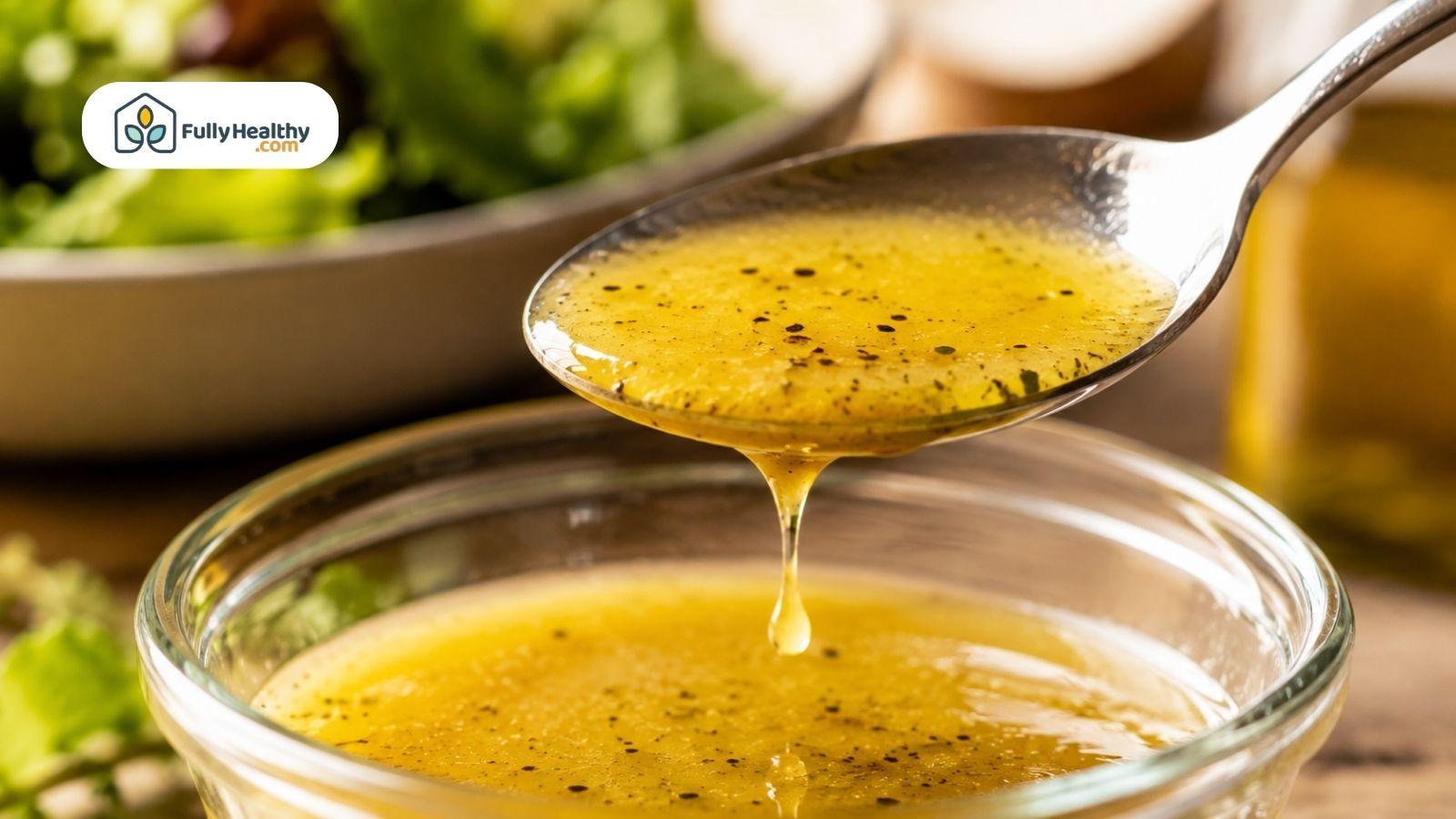
Vinaigrette is a simple cold sauce made by combining oil with vinegar or another acidic ingredient. It is best known as a salad dressing, but its balance of richness and acidity also works with vegetables, grains, meat, and seafood.
Vinaigrette Definition and Core Ingredients
Vinaigrette is a dressing made from oil and vinegar, traditionally using about three parts oil to one part vinegar, plus salt and pepper. A basic vinaigrette can also include mustard, honey, maple syrup, lemon juice, fresh herbs, and other seasonings.
-
Basic ingredients: Oil, vinegar, salt, and pepper create the foundation of a simple vinaigrette.
-
Oil choices: Olive oil and extra virgin olive oil are common, while walnut oil adds nuttiness.
-
Acid choices: Red wine vinegar, white wine vinegar, sherry vinegar, rice vinegar, and lemon provide acidity.
-
Flavor additions: Dijon mustard, parsley, honey, red pepper flakes, and fresh herbs add flavor and complexity.
-
Flexible formula: Adjust the oil, vinegar, seasonings, and sweetness according to the ingredients in your salad.
Why Oil and Vinegar Separate
Oil and vinegar naturally separate because oil does not dissolve in the water-based vinegar. Whisking or shaking temporarily disperses tiny oil droplets through the vinegar, forming an emulsion, while ingredients such as mustard can help slow separation.
-
Temporary emulsion: A basic oil-and-vinegar mixture will naturally separate over time.
-
Mustard helps: Dijon mustard can improve emulsion stability while adding savory flavor.
-
Egg yolk: Its natural emulsifiers can help oil and water-based ingredients stay combined.
-
Mayonnaise: It can produce a thicker, creamier vinaigrette because it is already an emulsion.
-
Honey: It adds sweetness and may increase viscosity, which can help slow separation.
What is the Best Ratio for Vinaigrette?
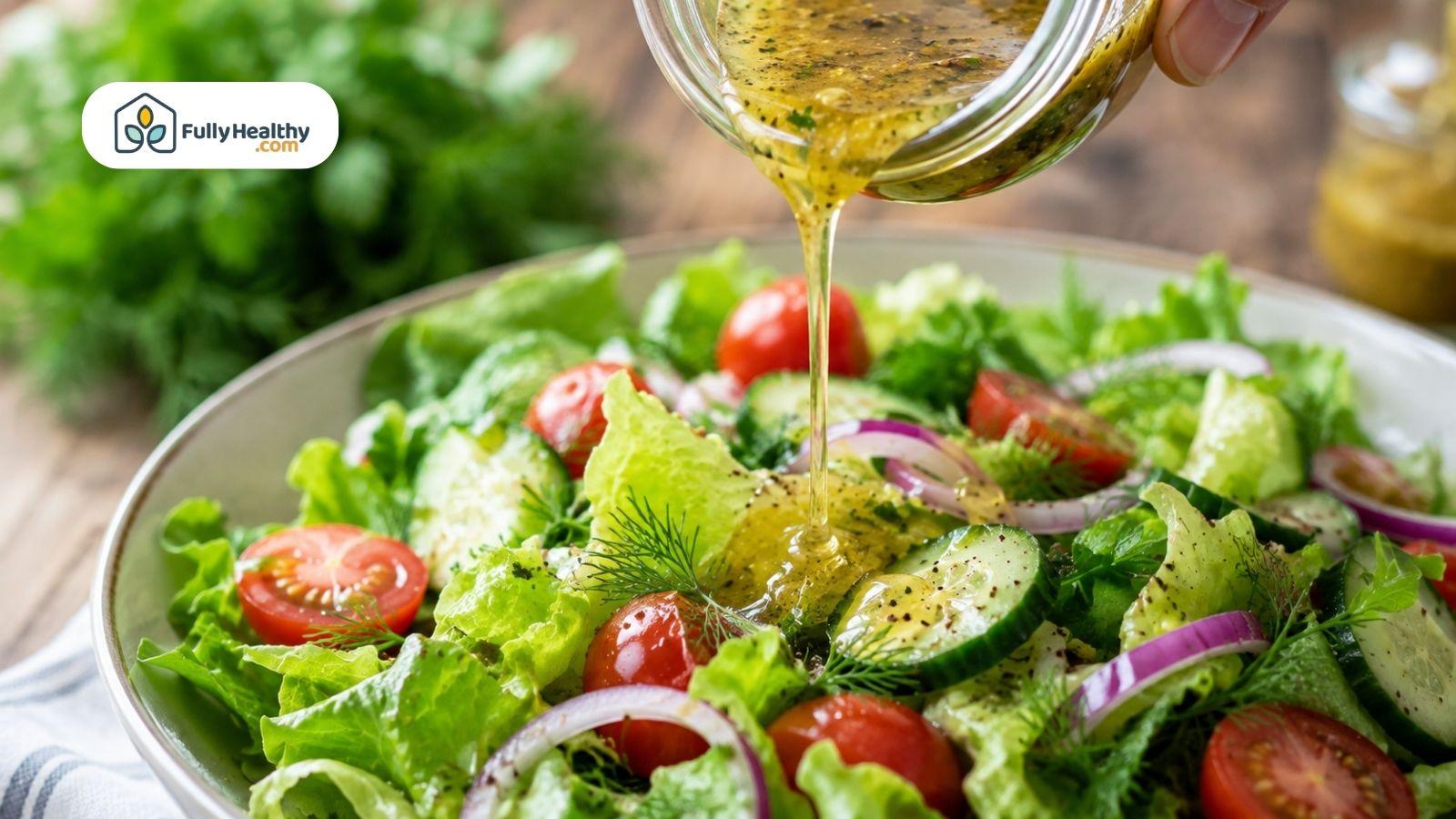
The best ratio for vinaigrette is typically 3 parts oil to 1 part vinegar (3:1). A good vinaigrette balances richness, acidity, salt, and sweetness without allowing one element to dominate.
Choosing the Right Oil-to-Vinegar Ratio
A traditional basic vinaigrette uses about three parts oil to one part vinegar, but the ratio is flexible. A 2:1 to 3:1 oil-to-vinegar ratio creates a strong emulsion, while a 1:1 ratio gives you a more acidic base that you can adjust according to taste.
-
Traditional ratio: Three parts olive oil to one part wine vinegar creates a richer dressing.
-
Brighter flavor: Adding more vinegar creates a sharper simple vinaigrette with greater acidity.
-
Bitter greens: Extra oil can soften the stronger flavor of arugula and similar greens.
-
Sweeter salads: Fruit and tomatoes can pair well with a vinaigrette containing more acidity.
-
Final adjustment: Add oil, vinegar, salt, or sweetness gradually until the mixture tastes balanced.
Oils, Vinegars, and Flavor-Building Ingredients
The type of oil and vinaigrette vinegar you choose can noticeably change the finished sauce. Extra virgin olive oil provides richness, while balsamic, red wine, cider, rice, white wine, and sherry vinegars offer different levels of acidity and sweetness.
-
Balsamic vinaigrette: Balsamic vinegar, olive oil, Dijon mustard, and honey create a sweet, tangy combination.
-
Wine vinegar: Red wine vinegar tastes robust, while white wine vinegar offers a lighter acidity.
-
Cider options: Apple cider vinegar and cider vinegar bring a fruity character to homemade dressing.
-
Flavor boosters: Garlic, mustard, parsley, lemon juice, herbs, pepper, and red pepper flakes add variety.
-
Salad pairings: Tomatoes, bell peppers, olives, feta, Parmesan, and fruit work well with different vinaigrettes.
How Do You Make Vinaigrette?
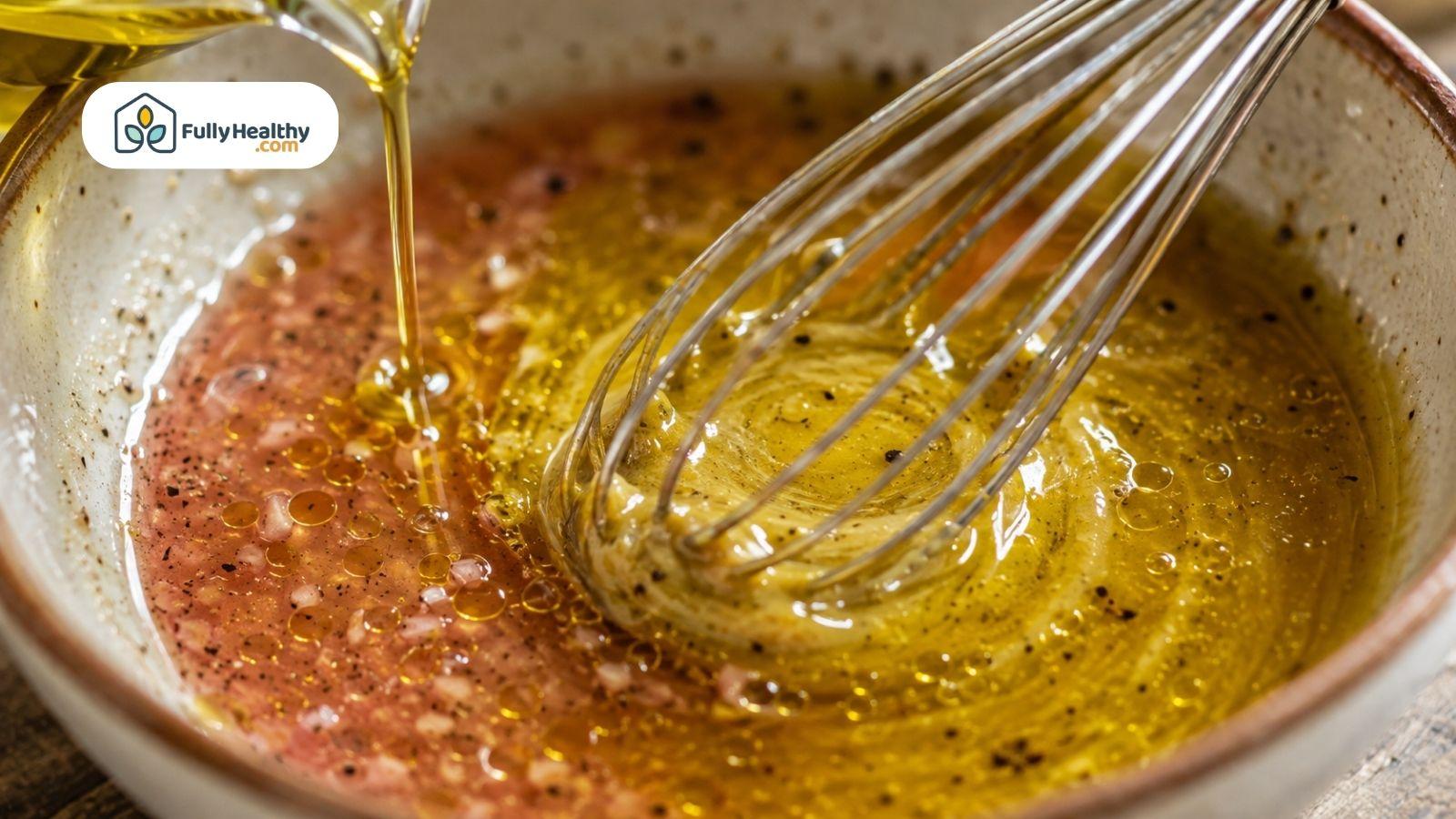
To make vinaigrette, combine vinegar, mustard, salt, and seasonings, then gradually whisk in oil until evenly mixed. You can also shake the ingredients in a sealed jar or use a blender for a finer emulsion.
How to Make a Basic Vinaigrette
Start by placing vinegar, Dijon mustard, salt, and your preferred seasonings in a bowl. Slowly add olive oil while whisking continuously, then taste the vinaigrette and adjust the acidity, salt, or sweetness before serving. As a reminder, a traditional starting ratio is 3 parts oil to 1 part vinegar.
-
Step 1: Add vinegar, Dijon mustard, salt, and seasonings to a bowl.
-
Step 2: Whisk the ingredients together until they are thoroughly combined.
-
Step 3: Slowly pour in the olive oil while continuing to whisk.
-
Step 4: Taste and adjust with oil, vinegar, honey, maple syrup, or seasonings.
-
Step 5: Serve immediately or stir, whisk, or shake again if the vinaigrette separates.
How to Use Vinaigrette Beyond Salads
Vinaigrette can bring acidity and flavor to much more than leafy greens. Its combination of oil, vinegar, herbs, and seasonings works with roasted vegetables, grain salads, seafood, cold meats, and other savory dishes.
-
Roasted vegetables: Spoon vinaigrette over warm vegetables before serving.
-
Grain salads: Mix it with rice, quinoa, or other cooked grains for added flavor.
-
Marinades: Use vinaigrette to season suitable meat, seafood, or vegetables before cooking.
-
Cold dishes: Add it to pasta salads, vegetable salads, or other chilled dishes.
-
Finishing sauce: Drizzle a small amount over cooked vegetables, seafood, or meat before serving.
Make Vinaigrette Easier With FullyHealthy Pantry Staples
FullyHealthy is a marketplace focused on foods for specialized diets, with options organized for AIP, Paleo, Low-FODMAP, gluten-free, Keto, Vegan, and other dietary preferences. Its pantry, oils, seasonings, sauces, and condiments can also make it easier to gather ingredients for homemade vinaigrette.
Shop FullyHealthy for Specialized Pantry Foods
FullyHealthy brings specialty-diet foods from different brands into one marketplace, including products that can fit into homemade dressings and everyday cooking. Shoppers can browse by diet, brand, or department, making pantry ingredients easier to compare based on their dietary needs.
-
Shop by diet: Categories include AIP, Paleo, Low-FODMAP, gluten-free, Keto, and Vegan foods.
-
Pantry selection: Departments include oils and fats, seasonings, sauces, condiments, baking products, and snacks.
-
Specialty focus: The marketplace emphasizes foods for autoimmune and other specialized diets.
-
Brand variety: FullyHealthy carries products from small and established specialty-food brands.
Vinaigrette Ingredients Available at FullyHealthy
Several FullyHealthy products can help build vinaigrettes with different flavor profiles, from bright Champagne vinegar to tart ume plum vinegar. There is also a dry lemon vinaigrette mix for convenience and organic brown mustard that can bring extra flavor to a dressing.
-
Hearty Sauces Lemon Vinaigrette Dressing Mix: Contains Himalayan pink salt, garlic, oregano, basil, onion powder, and dried lemon; one pouch makes 16 ounces of dressing or marinade.
-
Napa Valley Naturals Champagne Vinegar: An oak-aged Champagne vinegar that can be combined with extra virgin olive oil for vinaigrette.
-
Bragg Organic Citrus Ginger Apple Cider Vinegar: A 5% acidity apple cider vinegar product that can add flavor to salads, vegetables, and marinades.
-
Eden Foods Ume Plum Vinegar: A tart and salty condiment made with ume plum, shiso, and sea salt that can be added to salad dressings and marinades.
-
Eden Foods Organic Brown Mustard: Made with whole mustard seed, apple cider vinegar, water, and sea salt, giving dressings a stronger mustard character.
Final Thoughts
Vinaigrette is an easy way to bring acidity, richness, and fresh flavor to everyday meals. You can change the oil, different vinegars, herbs, sweetness, and freshly ground black pepper to complement your ingredients. A good vinaigrette also goes beyond salads, working well with vegetables, grains, seafood, and marinades.
Start with a simple ratio, taste as you mix, and adjust from there. Try making your own vinaigrette the next time you prepare a meal.
FAQs
Is Vinaigrette a Healthy Dressing?
Vinaigrette can be a healthy dressing, especially when made with unsaturated oils like olive oil. Homemade versions also make it easier to control added sugar and sodium.
What is a Vinaigrette Used For?
Vinaigrette is used as a salad dressing, marinade, or sauce for greens, vegetables, grains, meat, and seafood.
How Do You Make a Salad Dressing With Vinaigrette?
Make a salad dressing by combining oil with vinegar, seasonings, and optional ingredients such as mustard or herbs.
Can You Use Lemon Juice in Vinaigrette?
Yes, lemon juice can replace or complement vinegar to give vinaigrette a bright, fresh acidity.
Can You Use Red Wine Vinegar in Vinaigrette?
Yes, red wine vinegar works well in vinaigrette and adds a tangy, robust flavor that pairs with many salads.
Leave a comment