

What's The Difference Between A Lamb And A Sheep? Age, Meat, Wool, And More
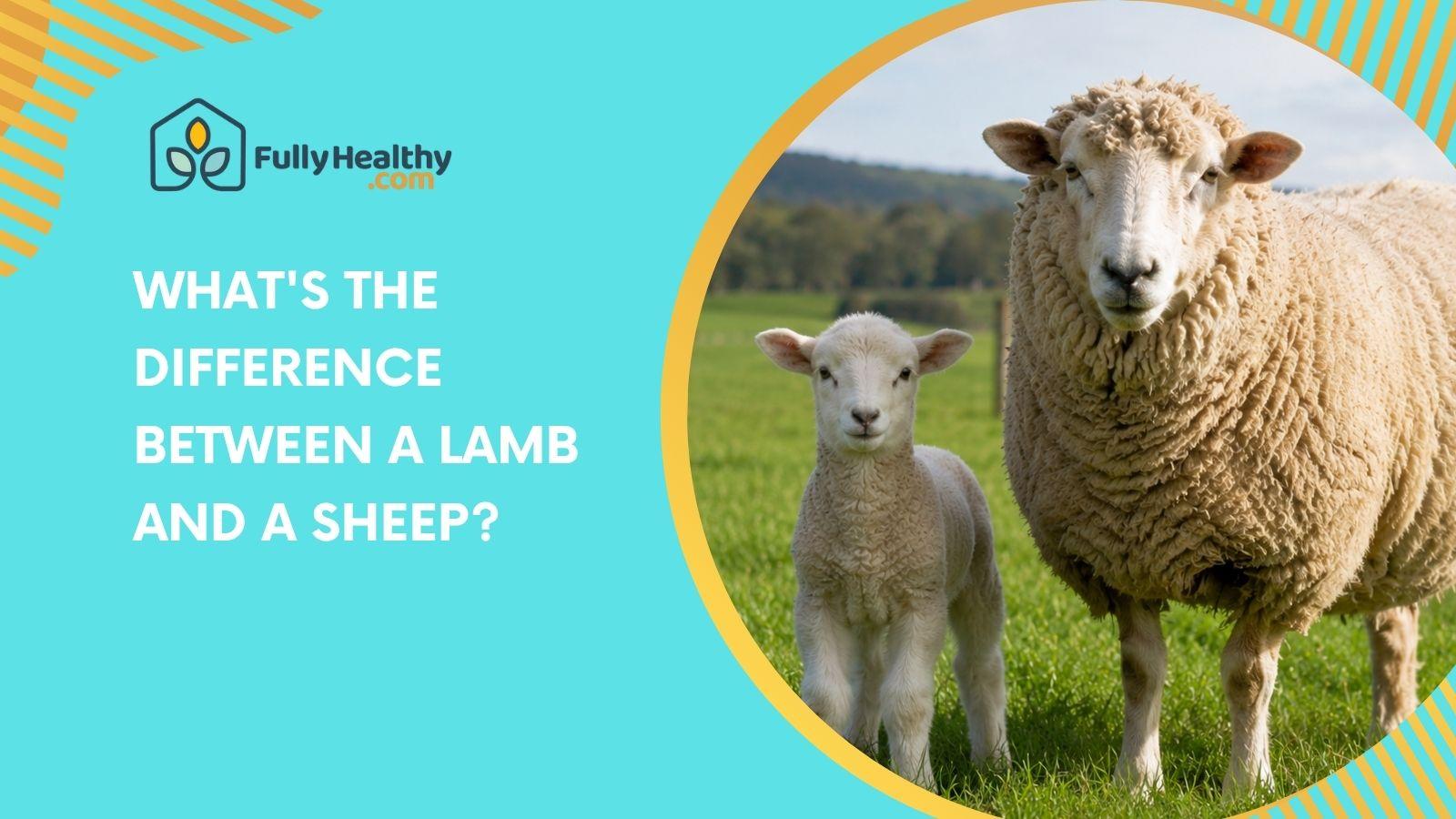
What's the difference between a lamb and a sheep? A lamb is a young sheep, while a sheep is a mature animal. However, age is not the only difference. Lambs and sheep also vary in size, wool, behavior, and the type of meat they produce.
This guide explains how lambs become sheep, how lamb meat compares to mutton, how wool changes over time, and why sheep remain important in farming and food production around the world.
Featured Snack Pick
Wild Zora // Meat & Veggie Bar Mediterranean Lamb - 1 oz
Loading...
What's the Difference Between a Lamb and a Sheep?
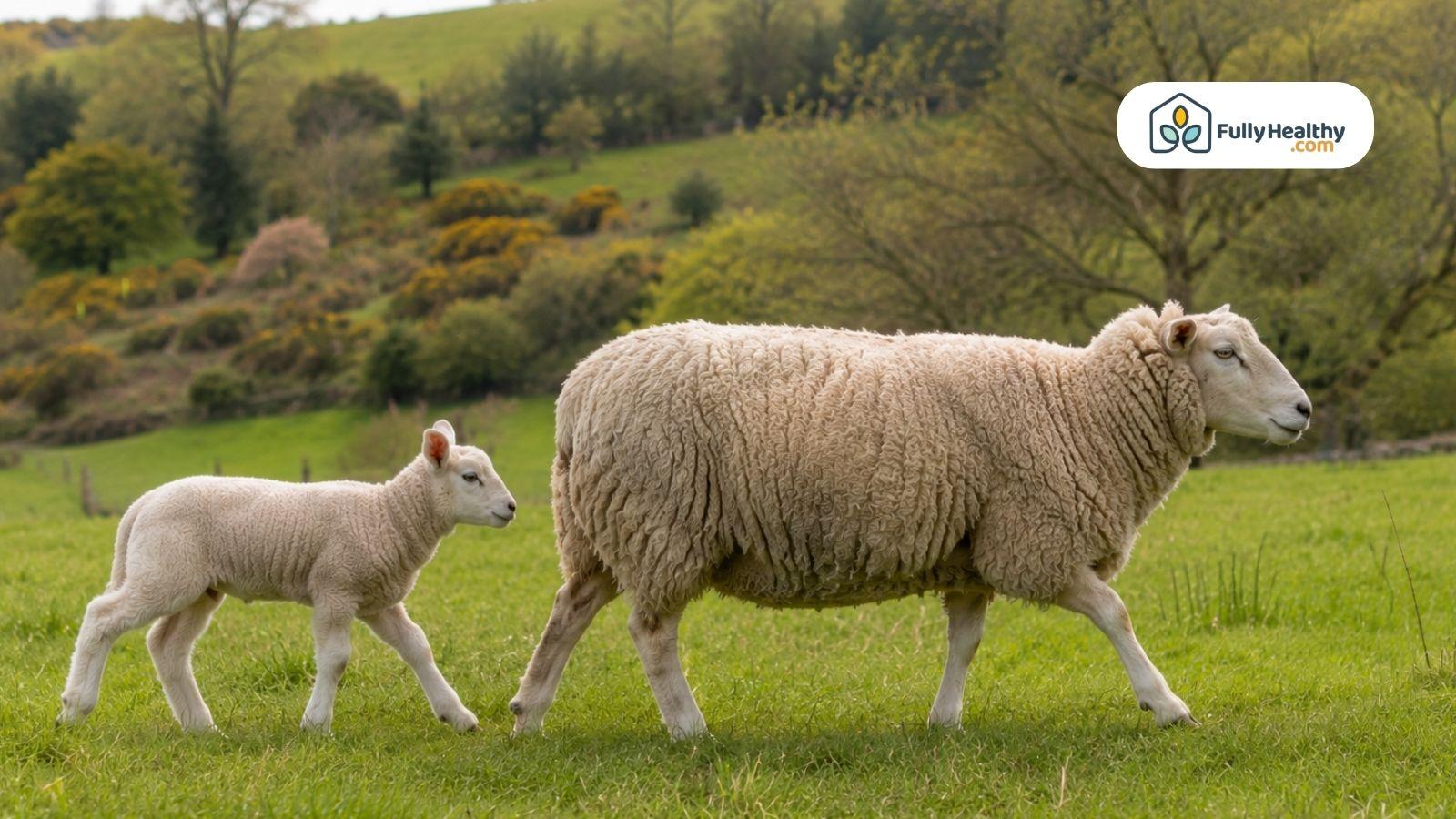
The terms lamb and sheep describe the same animal at different stages of life. While age is the main difference, factors such as size, wool, behavior, and sheep meat production also help distinguish a lamb and a sheep.
Age Classification and Life Stages
A lamb is a young sheep under 12 months of age, while a sheep is a mature animal. Both belong to the species ovis aries, but their age affects how they are raised, marketed, and used for meat, milk, and wool.
-
Lamb: A sheep less than 12 months old.
-
Young Lamb: Often relies on milk from its mother during early life.
-
Yearling Lamb: Sheep meat from an animal between 1 and 2 years old.
-
Female Sheep: Called ewes and responsible for producing offspring.
-
Male Sheep: Called rams, while breeding males are commonly called rams.
Physical Characteristics and Behavior
Lambs and sheep develop noticeable physical and behavioral differences as they mature. Young sheep are smaller and softer, while older sheep have a larger body, thicker wool, and more developed teeth.
-
Small Size: Size lambs are noticeably smaller than mature sheep.
-
Wool: Lamb wool is softer and finer than wool from older sheep.
-
Horns: Horns lambs may begin developing early depending on the breeds.
-
Temperament: Young lambs stay close to their mother and learn flock behavior.
-
Wild Sheep: Wild sheep species often have larger horns and different survival instincts than domesticated sheep.
Is Lamb Meat Healthier Than Mutton?
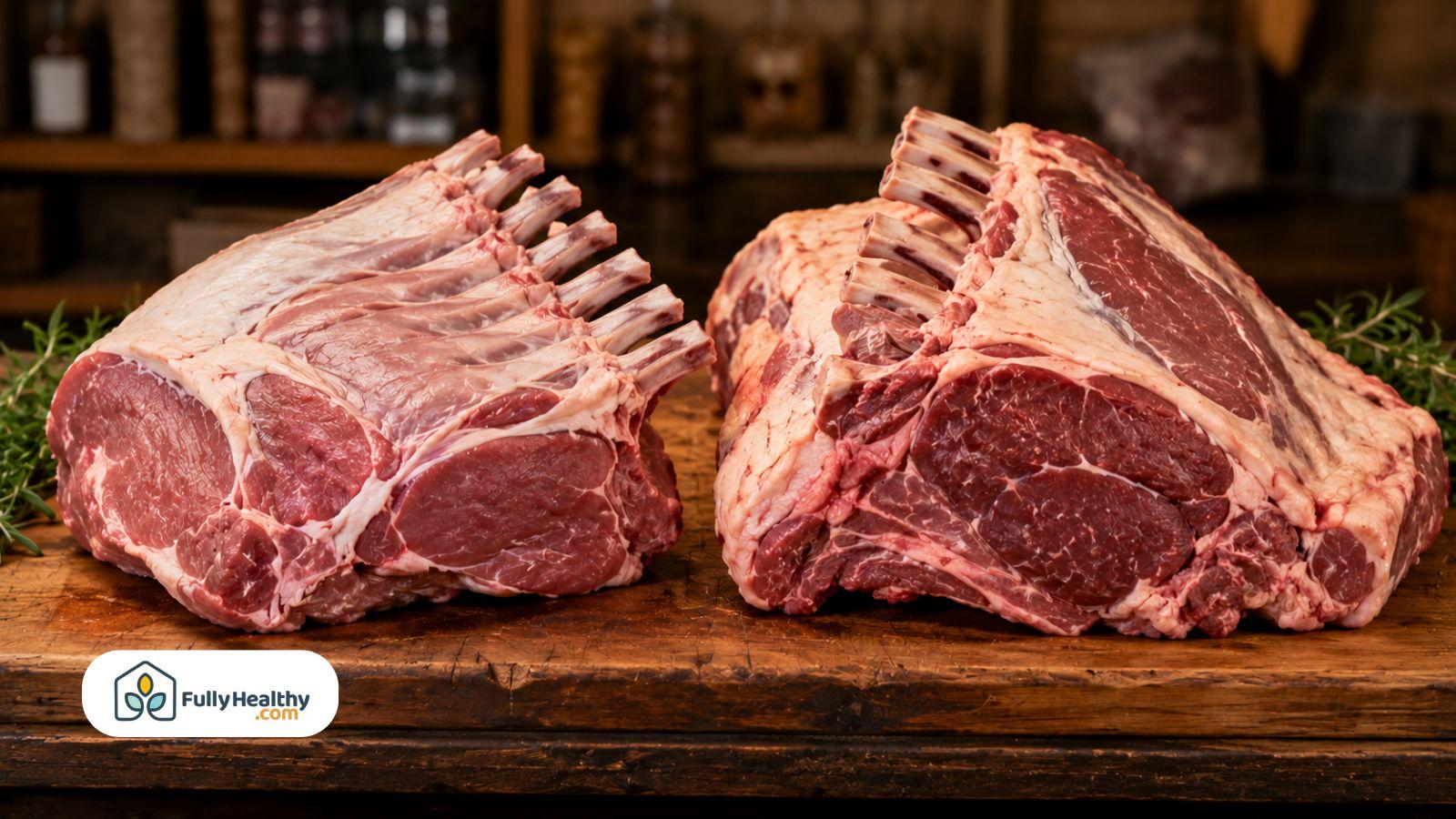
Lamb meat and mutton both come from sheep, but they come from animals at different ages. This difference affects nutrition, flavor, texture, and how the meat is commonly prepared.
Nutritional Differences Between Lamb and Mutton
Lamb meat comes from younger animals, while mutton comes from older sheep. Both are red meat and provide valuable nutrients, but age can influence fat content and overall composition.
-
Protein: Both lamb meat and mutton provide high-quality protein.
-
Vitamin B12: Supports nerve function and red blood cell production.
-
Iron: Helps transport oxygen throughout the body.
-
Fat Content: Mutton may have a stronger flavor and different fat profile, but fat content varies by cut, breed, diet, and trimming.
-
Diet: Both can be part of a balanced diet when eaten in moderation.
Taste, Texture, and Culinary Uses
One reason lamb meat is popular is its tender texture and mild flavor. Mutton has a stronger flavour and is often considered tougher because it comes from older sheep.
-
Tender: Lamb meat is usually softer and easier to chew.
-
Mild: The flavor is lighter than mutton.
-
Mutton: Has a richer and more pronounced taste.
-
Cooking Methods: Mutton is often slow-cooked to improve texture.
-
Popular Dishes: Lamb pairs well with potatoes, vegetables, beans, and tomatoes.
Different regions have their own preferences. Spring lamb, milk fed lamb, sucker lambs, salt marsh lamb, and saltgrass lamb are examples of specialty products sold in many countries.
What is the Unhealthiest Meat to Eat?
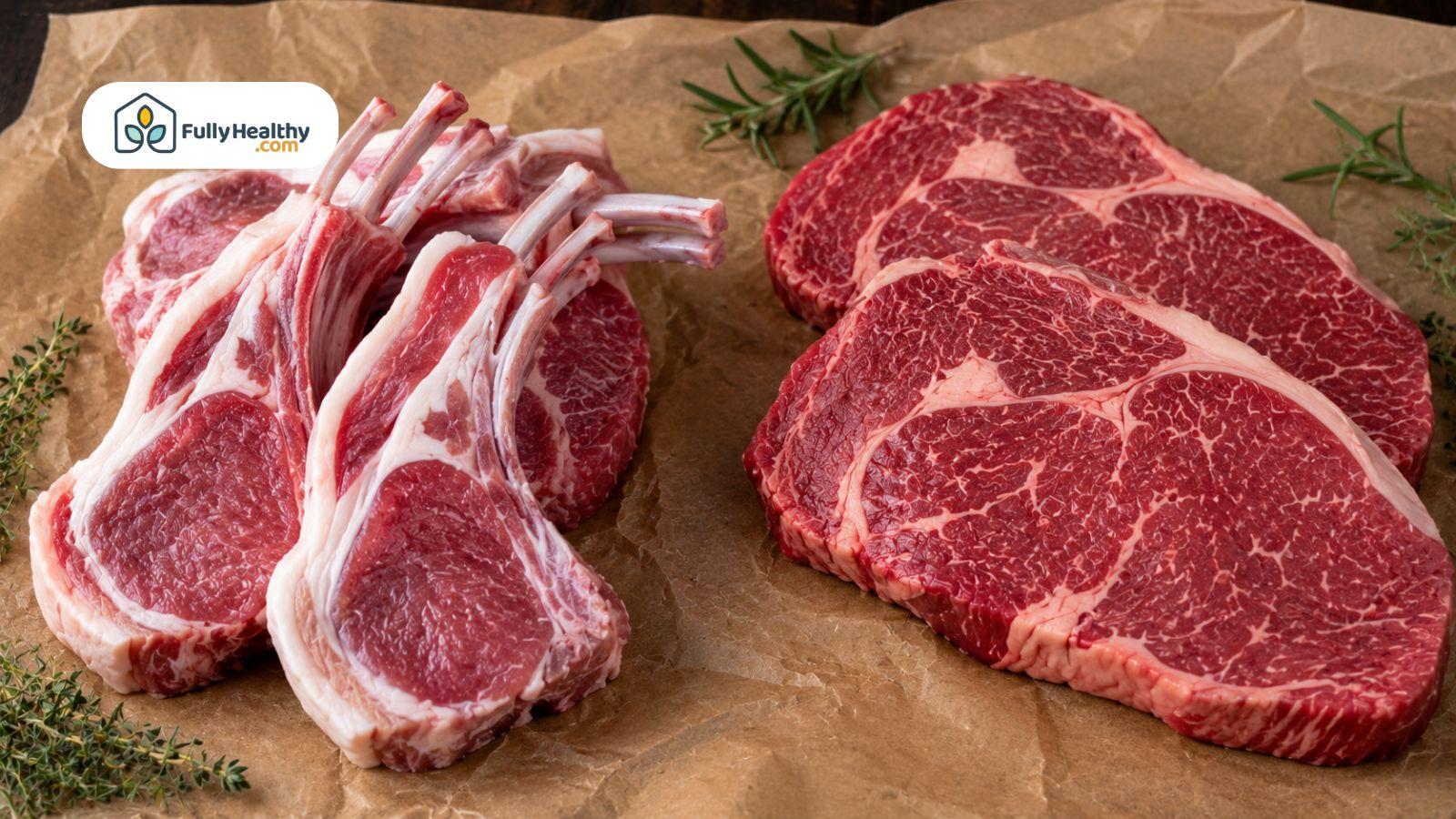
Not all meat is created equal. Processing methods often have a greater impact on health than the type of animal the meat comes from.
Processed Meat and Health Concerns
Processed meat refers to meat that has been cured, smoked, salted, or preserved. These products often contain higher amounts of sodium and preservatives than fresh meat.
-
Processed Meat: Includes products such as sausages and cured meats.
-
Sodium: Often added to improve shelf life and flavor.
-
Preservatives: Commonly used during manufacturing.
-
Saturated Fat: Some processed meats can contain higher sodium, preservatives, and saturated fat than fresh meat.
-
Moderation: Health experts generally recommend limiting processed meat intake.
Fresh Meat Versus Processed Meat
Fresh meat products typically undergo less processing and contain fewer additives. Lamb, beef, poultry, and other fresh options are often preferred over heavily processed alternatives.
-
Lamb Meat: A less processed option when purchased fresh.
-
Beef: Another commonly consumed red meat.
-
Veal: Meat from young cattle with a mild flavor.
-
Food Quality: Fresh ingredients allow greater control over preparation.
-
Balanced Meals: Fresh meat pairs well with vegetables and beans.
Do Lambs and Sheep Have Different Wool?
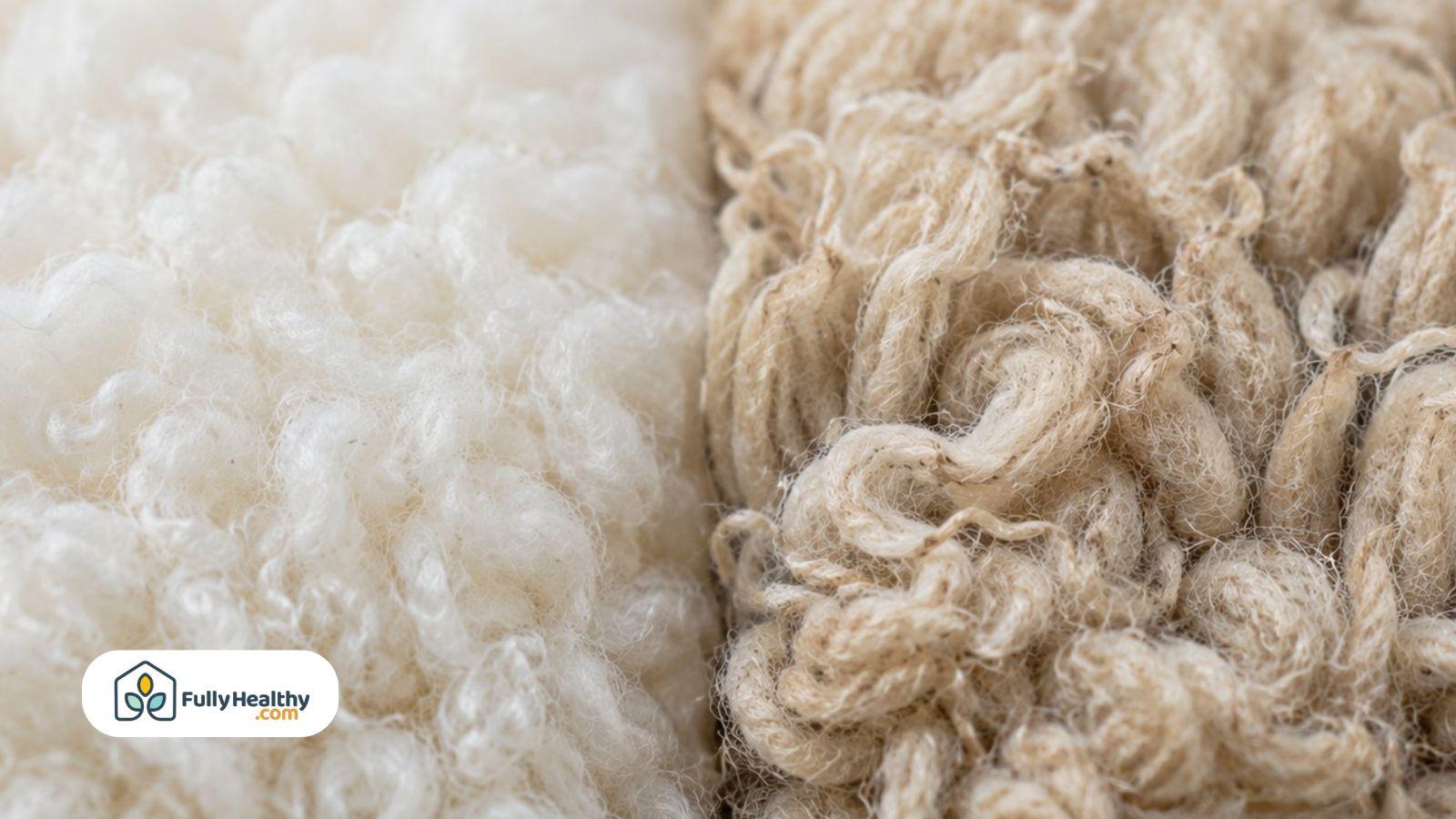
Wool is one of the most important products produced by sheep. The quality and texture of wool often change as the animal ages.
Characteristics of Lamb Wool
Lamb wool is known for being soft, fine, and comfortable against the skin. These qualities make it popular for premium clothing and textile products.
-
Soft Texture: Finer fibers create a smoother feel.
-
Lightweight: Often used in garments worn close to the skin.
-
Comfort: Popular for scarves, sweaters, and accessories.
-
Quality: Frequently valued more highly than coarser wool.
-
Young Animal: Harvested from a young sheep.
How Wool Changes with Age
As sheep mature, their wool becomes thicker and more durable. This makes it suitable for a wider range of commercial uses.
-
Fiber Diameter: Usually increases with age.
-
Durability: Older wool can handle heavier use.
-
Shearing: Sheep are regularly sheared to collect wool.
-
Commercial Uses: Used in rugs, blankets, and clothing.
-
Breeds: Different breeds produce different wool types.
FullyHealthy: A Better Way to Shop for Specialty Foods
People following specialized eating plans often need products that fit specific dietary preferences. FullyHealthy offers options for gluten-free, Paleo, AIP, allergen-friendly, and other specialty diets.
Specialty Foods for Different Dietary Needs
FullyHealthy provides carefully selected products designed for individuals seeking cleaner ingredient lists. The marketplace includes snacks, pantry staples, seasonings, and meal solutions for a variety of lifestyles.
-
Gluten-Free Options: Suitable for gluten-conscious shoppers.
-
AIP-Friendly Products: Support elimination diets.
-
Paleo Foods: Focus on simple ingredients.
-
Specialty Brands: Curated for specific dietary needs.
-
Convenience: Easy access to hard-to-find products.
Meat-Based Products Available at FullyHealthy
Several products appeal to readers interested in animal-based foods and convenient snacks. Options include lamb, beef, pork, and organ meat products.
-
Wild Zora Mediterranean Lamb Meat & Veggie Bar: A convenient snack made with lamb and vegetables, offering a flavorful option for busy days.
-
Wild Zora Quick Quinoa Meal Harvest Beef With Mushrooms, Garlic & Oregano: A hearty meal featuring beef, quinoa, mushrooms, garlic, and oregano for a quick and satisfying dish.
-
Wild Zora Italian Beef Meat & Veggie Bar: Combines beef and vegetables with Italian-inspired seasonings in a portable snack format.
-
Wild Zora BBQ Beef Meat & Veggie Bar: Features beef paired with smoky barbecue flavors for a protein-rich snack.
-
Wild Zora Apple Pork Meat & Veggie Bar: Blends pork with apple for a balance of savory and lightly sweet flavors.
-
Pluck Spicy Mild Organ Meat Blend Seasoning: A seasoning blend that incorporates organ meats and spices to add extra flavor and nutrients to everyday dishes.
Final Thoughts
Understanding what's the difference between a lamb and a sheep is easier once you know that age is the main distinction. Lambs are young sheep, while mature animals are simply called sheep, and that difference affects wool, meat quality, flavor, and farming practices.
From tender lamb meat to stronger-flavored mutton, each stage serves a different purpose in food production and agriculture. Knowing these differences can help you make better choices when buying meat, learning about livestock, or comparing animal-based foods.
FAQs
Is Lamb Meat All Baby Sheep?
No, lamb meat comes from a young sheep, but not every baby sheep is immediately used for meat because some become breeding ewes or rams.
What Is The Meat of a Sheep Called?
The meat of a sheep is called lamb when it comes from a young animal and mutton when it comes from older sheep.
What is a 2 Year Old Sheep Called?
A 2 year old sheep is generally considered a mature sheep, although some farming systems may previously classify it as a yearling lamb.
What is the Most Consumed Meat in the World?
Pork is generally considered the most consumed meat in the world, while lamb meat and sheep meat consumption remain popular in specific regions.
Is a Goat Also a Lamb?
No, a goat is a different animal from a lamb, and goats belong to a separate species even though they are often discussed together in farming and livestock talk.
Leave a comment