

Can Vegetables Be Kosher? Which Vegetables Are Kosher?
Can vegetables be kosher? Yes, fresh vegetables are naturally kosher, but they must be free from insects and prepared according to Jewish dietary law. Packaged, canned, and frozen vegetables may also need kosher certification because ingredients and processing can affect their kosher status.
This guide explains which vegetables are kosher, how to inspect them properly, which ones need extra care, and when to look for a trusted kosher symbol before buying.
Are There Any Veggies That Are Kosher?
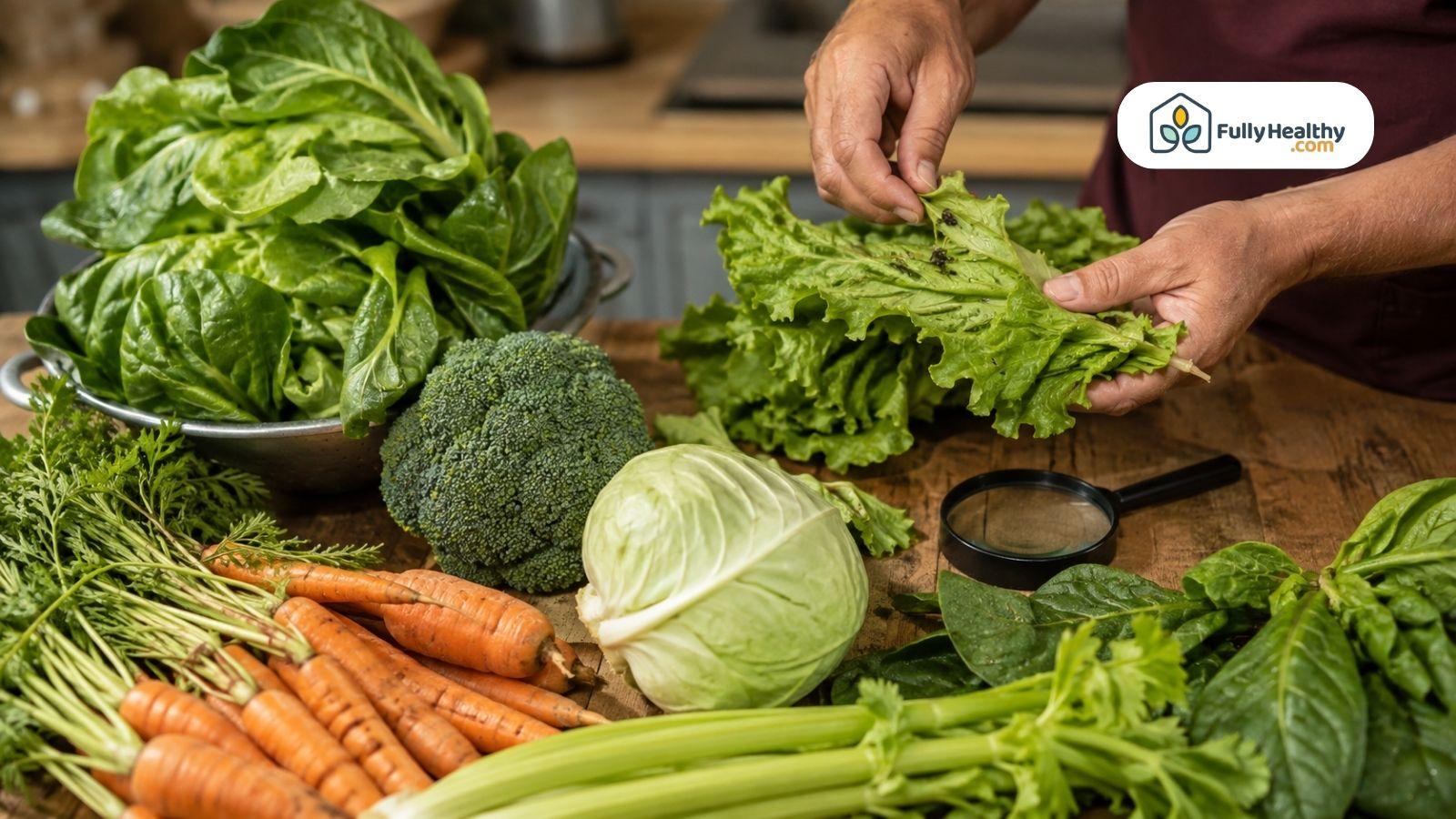
Yes, fresh vegetables are naturally kosher because they come from plants and contain neither meat nor dairy. Their kosher status depends on proper cleaning, freedom from insect infestation, and the way they are prepared or processed according to Jewish dietary law.
Fresh Vegetables That Are Naturally Kosher
Vegetables are considered kosher when they are naturally kosher, properly cleaned, and free from insects. Fresh produce does not need kosher certification by itself, but inspection remains an important part of kashrut because consuming insects is prohibited under Jewish law.
| Vegetable | Naturally Kosher | Needs Insect Inspection | Kosher Certification |
|---|---|---|---|
| Carrots | Yes | Rarely | Fresh: No |
| Potatoes | Yes | Rarely | Fresh: No |
| Peas | Yes | Check if needed | Fresh: No |
| Romaine Lettuce | Yes | Yes | Fresh: No |
| Kale | Yes | Yes | Fresh: No |
| Cabbage | Yes | Yes | Fresh: No |
| Broccoli | Yes | Yes | Frozen: Recommended |
| Brussel Sprouts | Yes | Yes | Frozen: Recommended |
| Asparagus | Yes | Yes | Frozen: Recommended |
| Artichokes | Yes | Yes | Recommended |
| Nuts | Yes | Check for insects | Fresh: No |
-
Naturally kosher: Fresh vegetables, fruits, carrots, potatoes, peas, and nuts are considered kosher because they come from plants rather than non-kosher animals.
-
Leafy vegetables: Romaine lettuce, kale, cabbage, broccoli, asparagus, artichokes, Brussel sprouts, and other curly leafy vegetables require careful inspection because insects hide between leaves and florets.
-
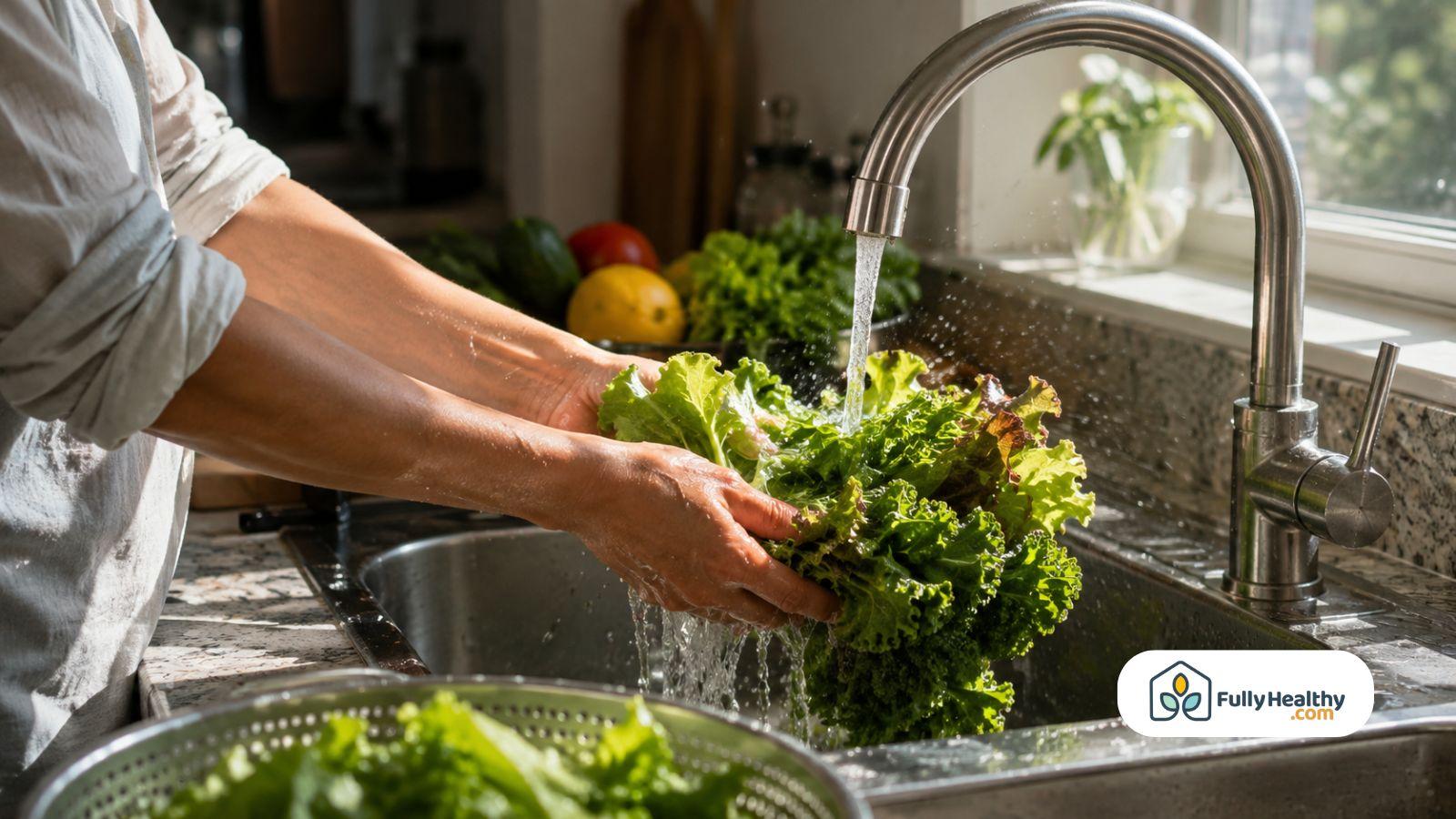
Proper cleaning: Wash produce under strong running water or cold water before cooking or serving. Separate each leaf to check for insect parts that can be seen with the naked eye.
-
Pre washed produce: Pre washed vegetables still require inspection because washing alone does not remove every insect infestation.
-
Kitchen preparation: Prepare vegetables on a clean cutting board and use separate utensils when also preparing meat products or kosher dairy products for the same meal.
How Processing Changes the Kosher Status of Vegetables
Fresh vegetables keep their kosher status when they remain free from prohibited ingredients and contamination. Processed vegetables require closer attention because ingredients, cooking methods, and factory equipment can affect whether the food remains certified kosher.
-
Processed vegetables: Canned, frozen, seasoned, and prepared vegetables require ingredient review because processing changes the final food product.
-
Added ingredients: Vinegar, dairy products, milk, sauces, spices, and preservatives can affect kosher status if they do not follow Jewish dietary law.
-
Shared equipment: Commercial facilities may process non-kosher products, pork products, fish, or kosher dairy on the same equipment, making reliable kosher certification valuable.
-
Kosher certification agencies: Organizations such as STAR-K inspect ingredients, production methods, and equipment before granting kosher certification.
-
Certified kosher: Choosing certified kosher processed foods provides confidence that production follows established dietary laws and kashrut standards.
How Do You Know if Vegetables Are Kosher?
Vegetables are kosher when they are free from insects, contain no non-kosher ingredients, and are prepared according to Jewish dietary law.
The Four Requirements for Kosher Vegetables
Vegetables are kosher when they are naturally kosher, free from insects, contain no non-kosher ingredients, and are prepared according to Jewish dietary law.
-
Naturally kosher produce: Vegetables, fruits, peas, carrots, potatoes, cabbage, and nuts are acceptable because they do not come from non-kosher animals such as pork with cloven hooves.
-
Free from insects: Jewish law prohibits consuming insects. Every leaf should be checked carefully because insect parts visible to the naked eye are not permitted.
-
Approved ingredients: Processed foods should not contain non-kosher ingredients, meat, dairy, or additives that conflict with dietary laws.
-
Reliable kosher certification: Packaged food should display certification from trusted kosher certification agencies when commercial processing is involved.
-
Proper preparation: Vegetables should remain separate from meat products and kosher dairy when required, using separate utensils, separate sets of cookware, and a clean cutting board.
Inspecting and Buying Vegetables with Confidence
Inspecting vegetables becomes easier once you know which produce needs extra attention. Careful washing, checking each leaf, and selecting certified kosher packaged products help maintain compliance with Jewish dietary law.
-
Running water: Rinse vegetables under strong running water before preparation to remove dirt, insects, and loose insect parts.
-
Leaf inspection: Open every leaf of romaine lettuce, cabbage, kale, and other leafy vegetables because insects hide inside folds and stems.
-
Dense vegetables: Check broccoli, asparagus, artichokes, and Brussel sprouts carefully because insects can remain inside tightly packed sections.
-
Fresh produce: Fresh vegetables do not require kosher certification when they are properly cleaned and contain no added ingredients.
-
Packaged products: Choose certified kosher frozen or prepared vegetables carrying symbols from recognized kosher certification agencies.
Which Vegetables Are Hardest to Keep Kosher?
Broccoli, cauliflower, romaine lettuce, kale, cabbage, Brussel sprouts, asparagus, and artichokes are the hardest vegetables to keep kosher. They require careful inspection because insects can hide inside their leaves and florets.
Vegetables That Require the Most Careful Inspection
Broccoli, romaine lettuce, kale, cabbage, Brussel sprouts, asparagus, artichokes, parsley, cilantro, and dill receive extra attention because insects can remain hidden inside leaves, stems, and florets.
-
Broccoli: Tight florets create small spaces where insects can remain after washing.
-
Romaine lettuce: Layered leaves provide hiding places for insects and require each leaf to be inspected.
-
Kale and cabbage: Curled leaves make insect inspection more time-consuming during food preparation.
-
Brussel sprouts and asparagus: Compact leaves and narrow tips require careful cleaning before cooking.
-
Fresh herbs: Parsley, cilantro, and dill should be rinsed thoroughly and inspected under good lighting before they are prepared.
Why Insect-Prone Vegetables Need Extra Attention
Growing conditions, the season, and farming practices all affect insect infestation, so kosher organizations may recommend different inspection methods based on regional conditions.
-
Growing conditions: Warm weather, rainfall, and local farming environments can increase insect activity on produce.
-
Regional guidance: Chabad, STAR-K, OU, and other kosher certification agencies may publish different inspection recommendations because insect populations vary by location.
-
Seasonal changes: The level of insect infestation can change throughout the year, making careful inspection important during every season.
-
Proper inspection: Romaine lettuce, kale, cabbage, broccoli, Brussel sprouts, asparagus, artichokes, and other leafy vegetables should be checked leaf by leaf under good lighting before they are prepared.
-
Safe preparation: Properly cleaned vegetables help maintain their kosher status and reduce the risk of consuming insects prohibited by Jewish law.
Can Frozen Vegetables Be Kosher?
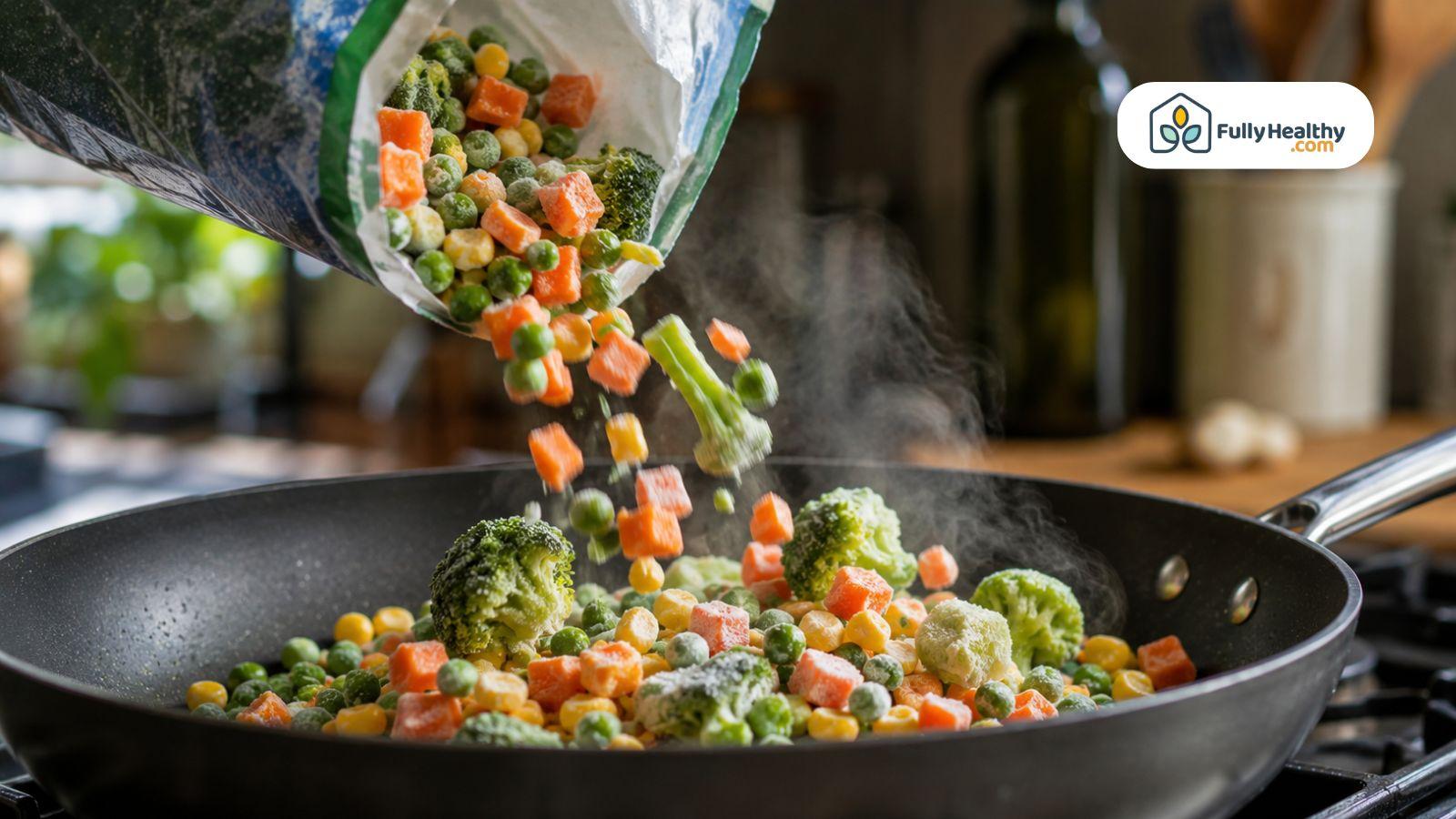
Yes, frozen vegetables can be kosher because freezing does not change the food itself. Their kosher status depends on insect inspection, added ingredients, and how the vegetables are processed and packaged before they reach the store.
Plain Frozen Vegetables and Kosher Certification
Plain frozen vegetables can remain kosher when they contain only vegetables and are processed according to kosher standards. Vegetables that are more likely to contain insects receive closer attention and are commonly purchased with reliable kosher certification.
-
Frozen vegetables: Freezing does not make vegetables non-kosher because it only preserves the food.
-
Insect-prone produce: Broccoli, Brussel sprouts, asparagus, artichokes, and leafy vegetables require extra review because insect infestation can remain before freezing.
-
Plain ingredients: Frozen peas, carrots, and potatoes are easier to evaluate when the package contains only vegetables without added seasonings or sauces.
-
Kosher certification: A certified kosher symbol helps confirm that ingredients and commercial processing follow Jewish dietary law.
-
Passover products: Frozen vegetables prepared for Passover should follow the specific guidance provided by reliable kosher certification agencies.
Choosing Certified Frozen Vegetable Products
Reading the package carefully helps you choose frozen vegetables that meet kosher requirements. Reliable kosher certification confirms that the ingredients, cooking process, and manufacturing equipment have been reviewed before the product reaches consumers.
-
Added ingredients: Sauces, vinegar, oils, dairy products, spices, and flavorings can change the kosher status of frozen vegetables.
-
Shared equipment: Manufacturing facilities may also prepare meat products, kosher dairy products, fish, or non-kosher products on the same production lines.
-
Trusted symbols: Look for certified kosher symbols from organizations such as STAR-K and other recognized kosher certification agencies.
-
Ingredient labels: Read every ingredient list because processed foods may include ingredients that are not immediately obvious.
-
Confident shopping: Choosing products with reliable kosher certification provides added confidence that the food follows kashrut from production through packaging.
Why Choose FullyHealthy for Kosher-Friendly Foods?
Shopping for specialty food becomes easier when everything is available in one place. FullyHealthy offers products that support different dietary needs, including gluten-free, paleo, AIP, allergy-friendly, and kosher lifestyles.
A Trusted Marketplace for Specialty Diet Foods
FullyHealthy brings together pantry staples, snacks, and everyday grocery items for people following different eating plans. The store makes it easier to shop for products that fit dietary preferences without searching across multiple websites.
-
Specialty selection: Browse products for gluten-free, paleo, AIP, allergy-friendly, and kosher food needs.
-
Convenient shopping: Purchase pantry staples, snacks, seasonings, and everyday grocery items in one location.
-
Quality brands: FullyHealthy carries products from established brands that support different dietary lifestyles.
-
Simple experience: Product categories help shoppers compare foods that match their dietary goals.
-
Healthy choices: The collection includes options for everyday meals, snacks, and cooking ingredients.
Featured Kosher-Friendly Products Available Online
FullyHealthy offers several products that fit kosher-friendly lifestyles while also supporting other dietary preferences. Reading each product label and kosher certification helps you choose food that matches your personal requirements.
-
Bubbies Kosher Dill Pickle Snacking Chips: Certified kosher dill pickle chips that make a convenient snack or side dish.
-
Real Salt Ancient Kosher Sea Salt: Kosher-certified sea salt for seasoning meals and everyday cooking.
-
PAN'S Mushroom Jerky Teriyaki: A plant-based mushroom jerky with teriyaki flavor for a satisfying snack.
-
Jackson's Avocado Oil Sweet Potato Chips: Sweet potato chips cooked in avocado oil for a simple, crunchy snack.
-
Barnana Organic Ridged Plantain Chips: Organic plantain chips seasoned with Himalayan pink salt for everyday snacking.
-
Jovial Cassava Spaghetti: Cassava-based spaghetti that supports gluten-free and grain-free meal planning.
Final Thoughts
Fresh vegetables are naturally kosher, but their kosher status depends on proper cleaning, careful insect inspection, and following Jewish dietary law during preparation. Processed vegetables also require attention because ingredients and manufacturing can affect their kosher status. Knowing these basic rules makes it easier to choose kosher food for everyday meals.
Keep these guidelines in mind the next time you shop or prepare vegetables, and always look for reliable kosher certification when it is needed.
FAQs
Why is Lettuce Not Kosher?
Lettuce is considered kosher, but insect infestation can make it non kosher unless it is properly cleaned and inspected before you eat it.
Can Jews Eat Broccoli?
Yes, Jews can eat broccoli after careful inspection because insects may hide inside the florets, and it may be served with either meat or dairy when prepared according to Jewish dietary law.
Can Jews Eat Carrots?
Yes, Jews can eat carrots because they are naturally kosher when properly washed and checked for insects.
Why is Pasta Not Kosher?
Pasta is not automatically kosher because ingredients and manufacturing matter, so choose certified kosher pasta and avoid products prepared with non kosher ingredients.
What is Kosher Food?
Kosher food is food or drink that follows Jewish dietary laws. It falls into three main categories: meat, dairy, and pareve, which means foods that contain neither meat nor dairy.
Leave a comment