

Can Chickens Eat Cabbage? A Smart Guide for Chicken Owners
 Photo Credit: Canva Pro
They love cabbage, and they can eat it. Your flock will enjoy cabbage because it is safe, good for them, and fun. When hung in the coop, it keeps the birds busy and gives them lots of vitamins.
However, not every vegetable is safe, and you need to be careful with scraps. This article tells you how to feed cabbage the right way, including what parts are best and what parts you should avoid. Let us look into everything you need to know.
Featured Pantry Pick
Wild Planet // Organic Roasted Chicken Breast Salted - 5 oz
Loading...
Can Chickens Eat Cabbage?
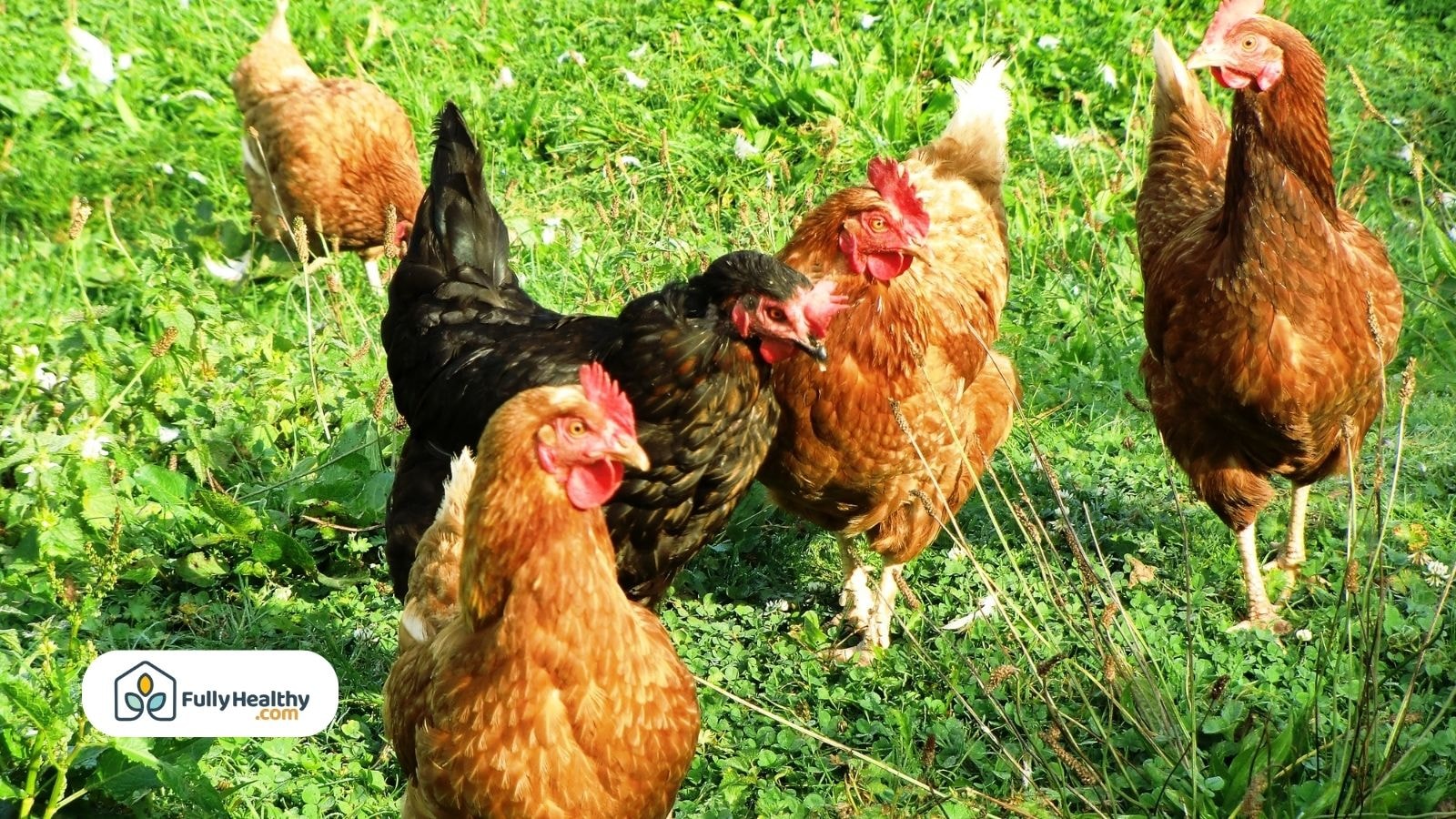 Photo Credit: Canva Pro
Yes, chickens can eat cabbage. In fact, backyard chickens really like it. Cabbage is a common vegetable that is perfectly safe for chickens to eat and also a fun way to mix up their diet.
Chickens love eating it raw, cook it, or hang it whole in their coop. It helps your body digest food, gives you important nutrients, and when served right, it's a great treat for chicken.
Nutritional Benefits of Cabbage for Chickens
Cabbage contains nutrients like vitamin C and fiber that may contribute to overall chicken health, but its role in egg production is indirect and limited. It has a lot of fiber and vitamin C, which help the digestive system and boost the immune system.
-
Rich in Vitamins: It has folate, vitamin K, and vitamin C.
-
Good for Digestion: Fiber can help with digestive issues.
-
Supports Immune Health: Chickens in your backyard need nutrients to fight off stress and illness.
-
Fun Feeding Option: Hang a whole cabbage to peck at and pass the time when you're bored.
Fermented cabbage (e.g., sauerkraut) may contain probiotics, but its effects on chickens require cautious introduction and are not well-researched in poultry.
How to Serve Cabbage Safely to Chickens
It's best to serve cabbage in small pieces so that chickens can safely eat it. Always use clean, store-bought cabbage or grow your own that is free of pesticides.
-
Hang It Whole: Put a whole head of cabbage in the chicken coop for them to peck at.
-
Shred It: Cut into bite-sized pieces that are easy to eat.
-
Cooked or Raw: Both are fine, but don't add salt or seasonings.
-
Don’t Overfeed: Just give it to them as a treat, not as a meal.
While cabbage is a healthy snack, giving a chicken too much of it can throw off its diet.
What Vegetables Are Not Good for Chickens?
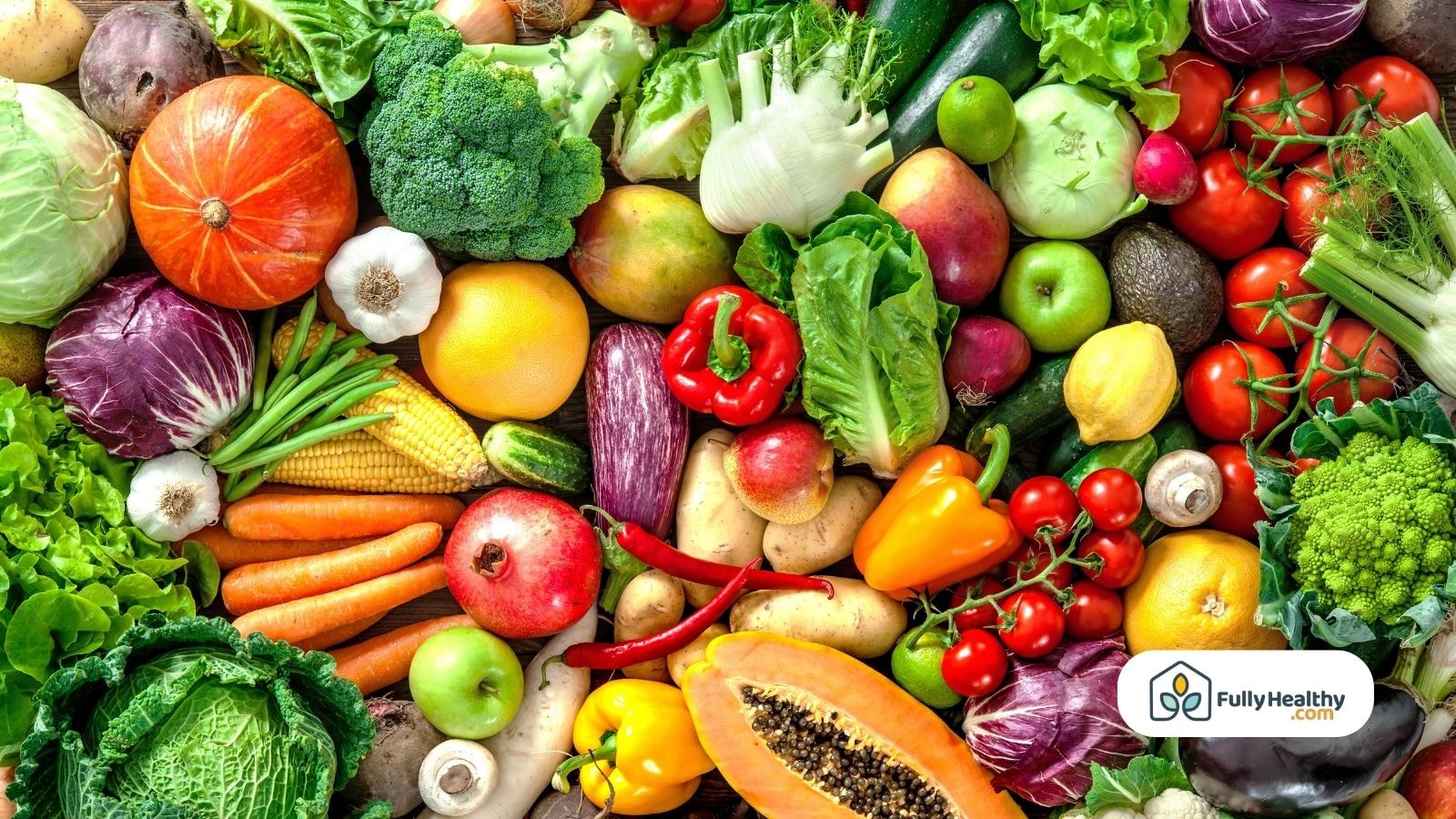 Photo Credit: Canva Pro
Although many vegetables make great chicken treats, some food items are actually harmful. Some vegetables naturally have toxins that can be bad for chickens' health. Some nightshade plant parts, strong-tasting vegetables, and a few leafy greens are among these.
Toxic and Harmful Vegetables to Avoid
Some vegetables can make you sick or even kill chickens. If you feed them the wrong things, it can affect their health and ability to lay eggs.
-
Onions: Red blood cells can get hurt, and eggs may not taste as good.
-
Raw Potatoes: They have solanine in them, especially green skins.
-
Tomato Leaves: Not safe for ripe tomatoes, but poisonous.
-
Rhubarb Leaves: Too much oxalic acid is bad for chickens.
Why Certain Plants Pose Digestive or Health Risks
Many of these vegetables have natural chemicals that are bad for you. Even small amounts can make you sick with diarrhea, weakness, or even worse.
-
Solanine and Oxalic Acid: This chemical is found in nightshades and rhubarb and is bad for chickens.
-
Bitter or Spoiled Plants: Raise the chance of having stomach problems.
-
Long, Stringy Greens: Long fibrous greens may pose a choking risk if not chopped into smaller pieces, especially for young chickens.
To feed chickens safely, only give them healthy foods like bell peppers, sweet potatoes, cooked carrots, and leafy greens like cabbage.
Can Chickens Have Cabbage Scraps?
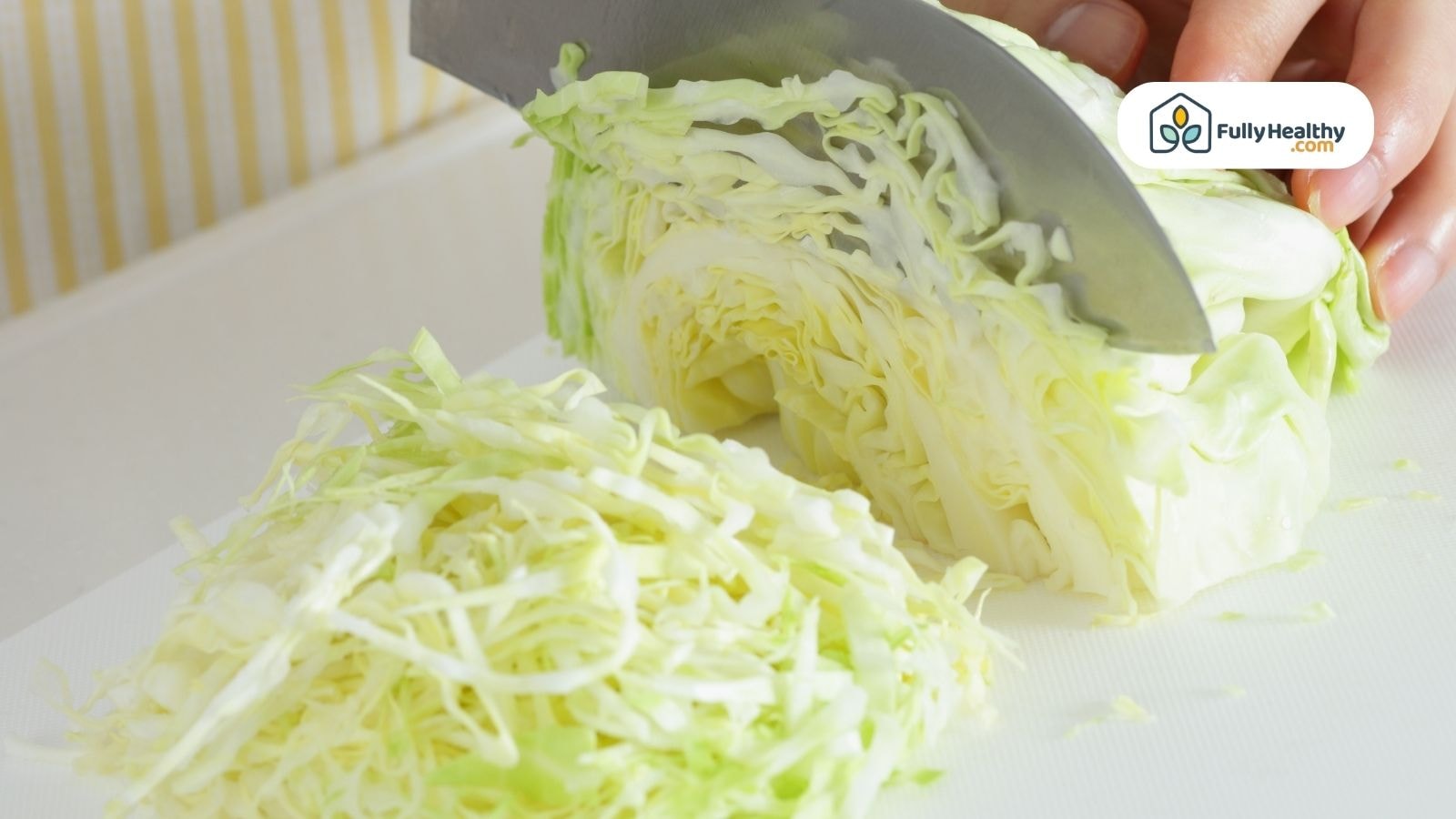 Photo Credit: Canva Pro
If the cabbage scraps are clean and fresh, chickens can eat them. This is a great way to feed chickens a nutritious snack and cut down on waste. Don't eat any cabbage scraps that are moldy or covered in sauce or oil. This goes for both raw and cooked cabbage scraps.
Are Table Scraps with Cabbage Safe for Chickens?
Your chickens can eat table scraps with cabbage, but make sure they don't get any processed or spicy food.
-
Avoid Seasoned Food: No salt, oil, or spices.
-
No Moldy Leftovers: Food that has gone bad can make your stomach hurt.
-
Safe Options: Carrots, cabbage, and plain cooked rice.
Chickens may peck at bread, rice, or small bits of cheese, but these should be rare treats due to low nutritional value and potential dietary imbalance. Their diet can become off if they eat too much.
Age Guidelines and Scrap Feeding Tips
Chicks that are adults should eat cabbage scraps. Chicken chicks shouldn't eat scraps until they are at least 3–4 months old.
-
Wait Until Maturity: Chicken chicks shouldn't eat scraps.
-
Balance is Key: The chicken shouldn't get more than 10% of its food from treats.
-
Other Safe Scraps: For a hydrating treat, chickens eat bananas, chickens eat apples, and chickens eat watermelon.
When it's hot outside in the summer, giving chickens a variety of safe scraps can help them lay more eggs. Chickens eat different kinds of berries as healthy snacks. Chickens eat asparagus, chickens eat strawberries, chickens eat blueberries, and chickens eat grapes
Are Cabbage Leaves Good for Chicken?
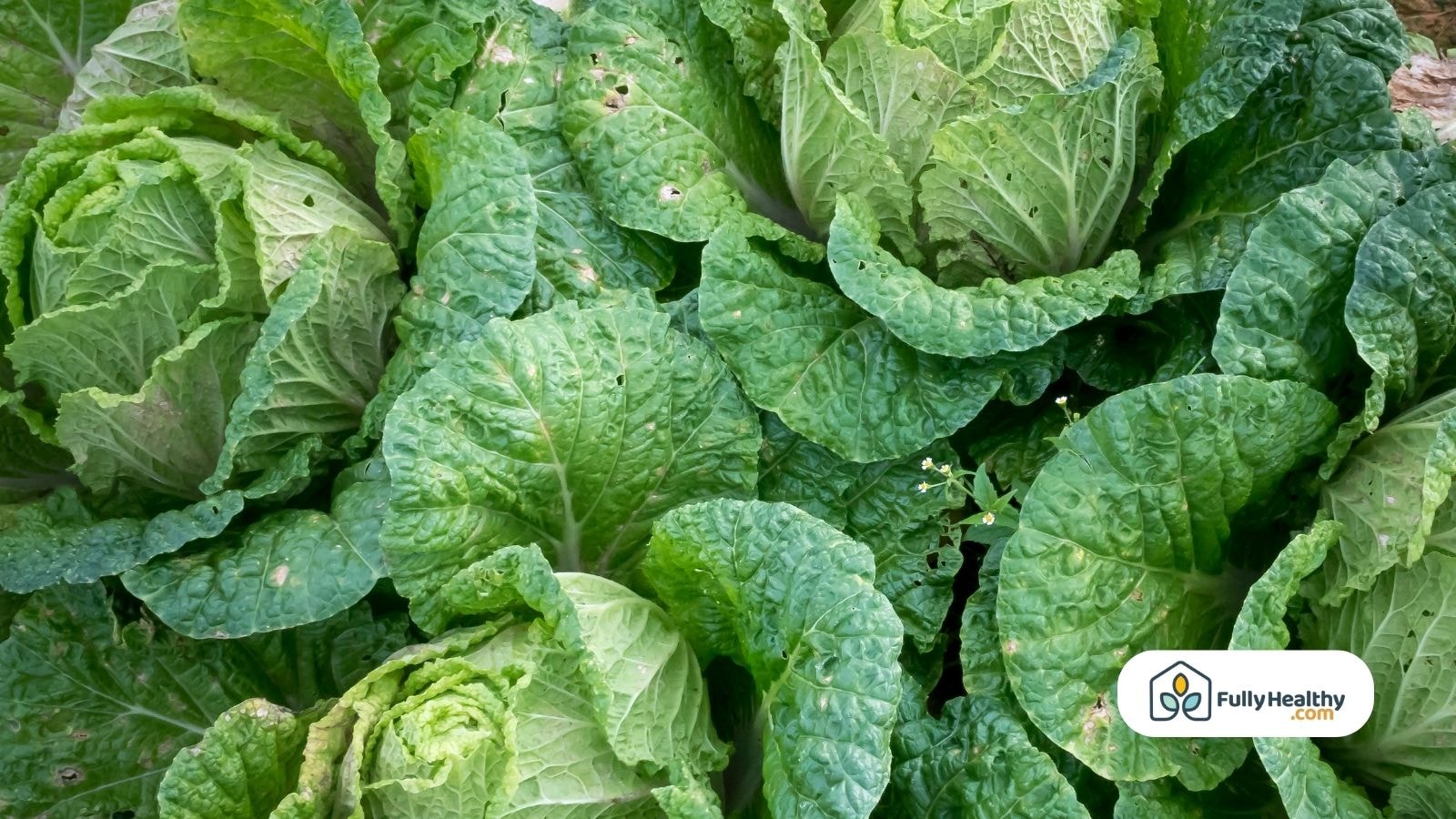 Photo Credit: Canva Pro
Chickens can eat cabbage leaves without any problems, and they offer many health benefits. This everyday vegetable is full of fiber and vitamin C, which help keep your digestive system healthy and your immune system strong.
A lot of chickens in people's yards like to eat cabbage leaves because they are fun and healthy. When given the right way, they help the chickens lay more eggs and keep their minds active, especially when hung in the coop.
Nutritional Value of Cabbage Leaves
The right way to feed chickens is with cabbage leaves, which contain important nutrients. They are cheap, easy to serve, and can be given raw or lightly cooked.
-
Packed with Nutrients: You can get a lot of vitamin C, fiber, and antioxidants from cabbage.
-
Boosts Digestion: It helps with digestive issues and keeps the gut healthy.
-
Great for Summer Months: Chicks stay cool and hydrated when they eat cabbage in hot weather.
-
Safe for Most Flocks: Chickens of all ages can eat cabbage leaves, but only when they are chicks.
Chickens eat cabbage, chickens eat broccoli, chickens eat carrots, and chickens eat tomatoes, but cabbage leaves are still the best choice for chicken owners who want to give their birds simple, safe treats.
Cabbage as a Fun, Enriching Treat
Cabbage isn't just food; it can also help you pass the time. When cabbage is presented in interesting ways, chickens love to eat it. This helps lower stress and respiratory problems that can come from not having enough air flow in the coop and being bored.
-
Hang Whole Heads: To get the chickens to move around, hang whole cabbages in the coop.
-
Chop into Pieces: Break up the leaves into manageable pieces so that they are easier to handle.
-
Enrichment Tool: Keeps the chickens busy and lowers the aggression in the flock.
-
Avoid Spoiled Leaves: For chickens, moldy cabbage can cause health issues.
To keep things interesting, chickens eat bell peppers, chickens eat sweet potatoes, chickens eat peaches, and chickens eat pumpkin seeds, which are all healthy extras.
What Does FullyHealthy.com Recommend About Cabbage?
The website FullyHealthy is known for selling AIP and allergen-free products for people, and its focus is on clean foods. The focus on clean, natural ingredients is helpful for chicken owners who want to safely eat from shared food sources, even though they don't talk about chicken diets directly.
Does Fully Healthy Address Chicken Diets Directly?
-
No Direct Chicken Content: The website doesn't tell you how to feed or take care of chickens.
-
Useful for Owners: It talks about clean eating, which is similar to feeding chickens safe foods.
What FullyHealthy.com Offers to Mindful Chicken Owners
-
Clean Snacks: Shows chicken owners what not to feed their chickens that is bad for them.
-
Sugar-Free Ideas: Makes it easier to choose healthier treats, like sunflower seeds.
-
Healthy Living Mindset: Helps the flock make better food choices that are better for their health.
Chickens should not eat avocado skin or pit due to the toxic compound persin. Only minimal amounts of ripe flesh, if any, may be tolerated, chickens eat cantaloupe, and chickens eat mushrooms.
All of these foods are best when they are fresh and eaten in small amounts. Feeding raw rice or food that has gone bad can cause serious digestive problems.
Final Thoughts
Can chickens eat cabbage? Birds do eat cabbage, and they really enjoy it. This common vegetable is good for you, full of vitamin C, and it helps backyard chickens lay more eggs. The digestive system is helped by cabbage adds strong nutritional value to what chickens eat.
People who own chickens can feed their chickens chopped cabbage, but they can't feed tiny chicks or hens. For digestive health, always cut foods into safe pieces. Chickens can eat cabbage, but only a small amount at a time. For optimal egg production, provide a balanced layer feed rich in calcium and protein.
FAQs
Can chickens eat banana peels?
Yes, chickens eat banana peels, but chicken owners should feed in small amounts to avoid digestive problems in the flock.
Can chickens eat rice?
Chickens can eat cooked rice safely, but never uncooked rice as it may harm the digestive tract of baby chicks or chicks.
Is lettuce or cabbage better for chickens?
Cabbage can provide variety in diet, but there is no direct evidence that it boosts egg production.
Can chickens have potatoes?
Avoid raw potatoes; they may cause digestive problems. Feed only cooked, plain potatoes to backyard chickens.
Can you give chickens watermelon rinds?
Yes, chickens eat watermelon rinds. Chicken owners can feed them in moderation along with chickens eat eggs, chickens eat pineapple, and chickens eat oranges.
Leave a comment