

Can Dogs Eat Pickles? The Real Risks Every Owner Should Know
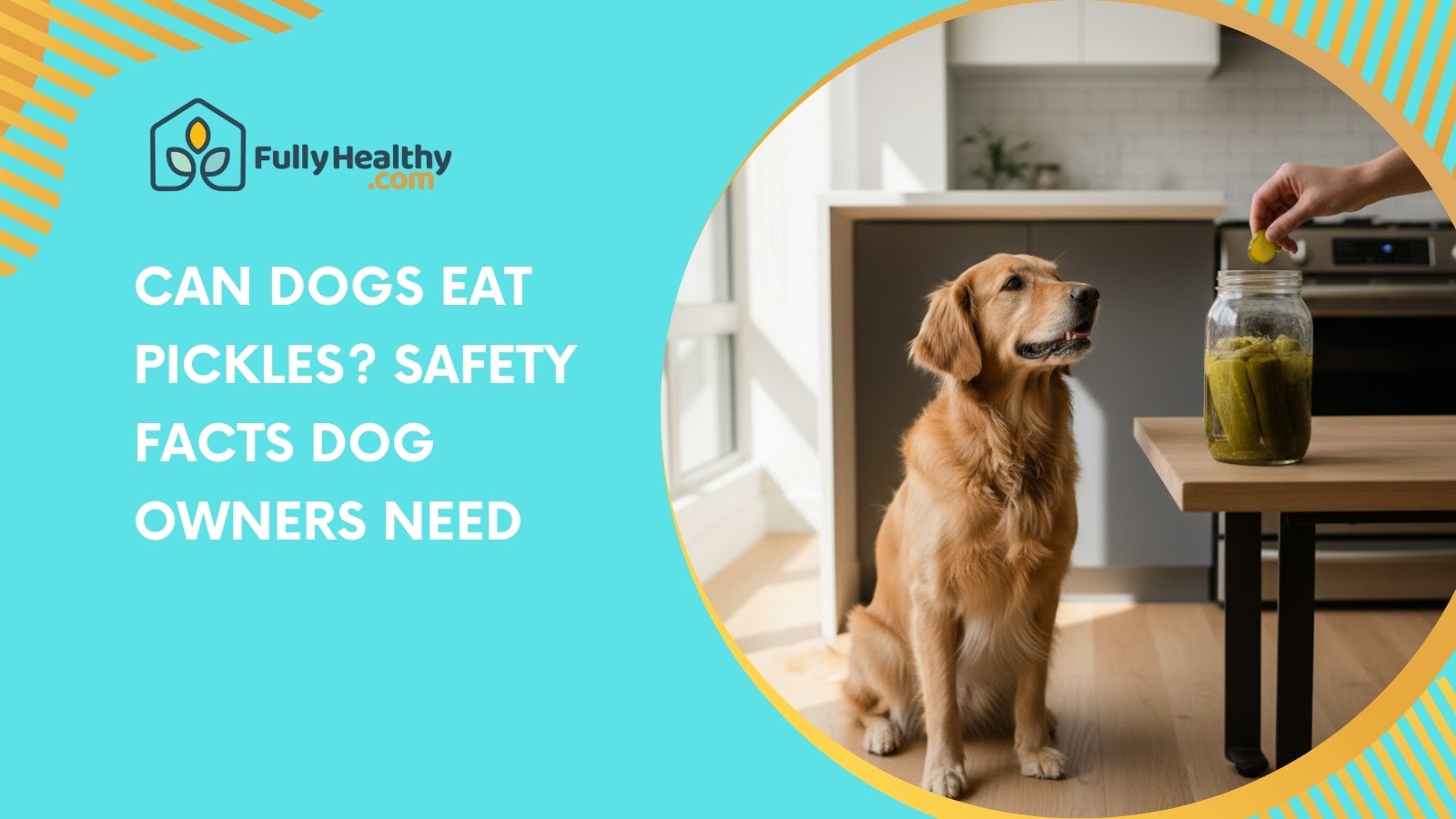
Can dogs eat pickles? Pickles are generally not recommended for dogs due to their salt and spice content, though a small plain piece may not cause harm in healthy dogs. They have a lot of salt and often vinegar, garlic, or spices that are bad for dogs' health or make their stomachs upset.
This article tells you about the risks, what signs to look out for, and safer options so you can choose what's best for your dog.
Featured Pantry Pick
Great Plain // Raw Sauerkraut - 16 oz
Loading...
Can Dogs Eat Pickles?

Pickles: Can dogs eat them? Most dogs can handle a small amount, but pickles are bad for their health. Pickles are treats for people, not for dogs. They are made to taste good for people, not for dogs. Dog pickles can be bad for their health if they are given often or in large quantities, even if a dog loves crunchy snacks.
Are Pickles Safe Or Harmful For Dogs?
Pickles are cucumbers that have been soaked in a salty liquid with sugar or with added spices. Some pickled products may pose risks to dogs due to added salt, vinegar, or spices, depending on the ingredients used. Even though a small bite is usually not dangerous, giving your dog too many pickles can be a serious concern, even poisoning them with salt, which is very scary for most dogs.
-
High salt levels: Pickles contain a lot of salt, which can lead to excessive thirst, dehydration, and stomach upset.
-
Health strain: Eating salty foods often may increase the risk of high blood pressure and worsen heart disease.
-
Toxic ingredients: Some pickles include garlic or onions, which can damage a dog’s red blood cells.
Why Pickles Offer No Nutritional Benefit To Dogs
It's not good for a dog's health to eat pickles instead of dog food. Pickles start out as cucumbers that have been soaked in brine, but the finished product is not safe for dogs or part of a healthy diet.
-
Reduced nutrition: Pickling lowers vitamin C and changes vitamin K levels.
-
Better choice: Raw cucumber offers hydration and similar vitamins without added risks.
-
Feeding advice: Avoid feeding pickles regularly, even if your dog begs at the pickle jar.
Can Dogs Eat Pickles With Vinegar?

A lot of pickles are made with vinegar, and some dogs like to drink pickle juice just because they can. That doesn't mean it's safe. Adding vinegar to pickle juice can make it more acidic, which can be bad for a dog's stomach and digestive system if they drink it more than once.
How Vinegar Affects A Dog’s Digestive System
Pickle juice is bad for dogs' bodies. It can be painful even in small amounts. Dogs like dill pickles more than sweet ones, but both can make their stomachs upset.
-
Digestive irritation: Vinegar may cause vomiting or loose stools.
-
Kidney stress: Acidic liquids can strain the kidneys over time.
-
Unsafe habit: Letting dogs drink pickle juice encourages unsafe people foods.
Why Vinegar-Based Pickles Are Worse Than Plain Cucumbers
You can give your dog plain cucumbers, but when you add vinegar and salt, the food changes. If you're near hot dogs, a dill or sweet pickle might smell good, but they are not safe treats.
-
Ingredient overload: Vinegar and salt increase pickle risks.
-
Portion confusion: There is no safe answer for how many pickles a dog should eat.
-
Smarter swap: Choose raw cucumber or other alternative snacks instead.
Will Pickles Help A Dog’s Upset Stomach?
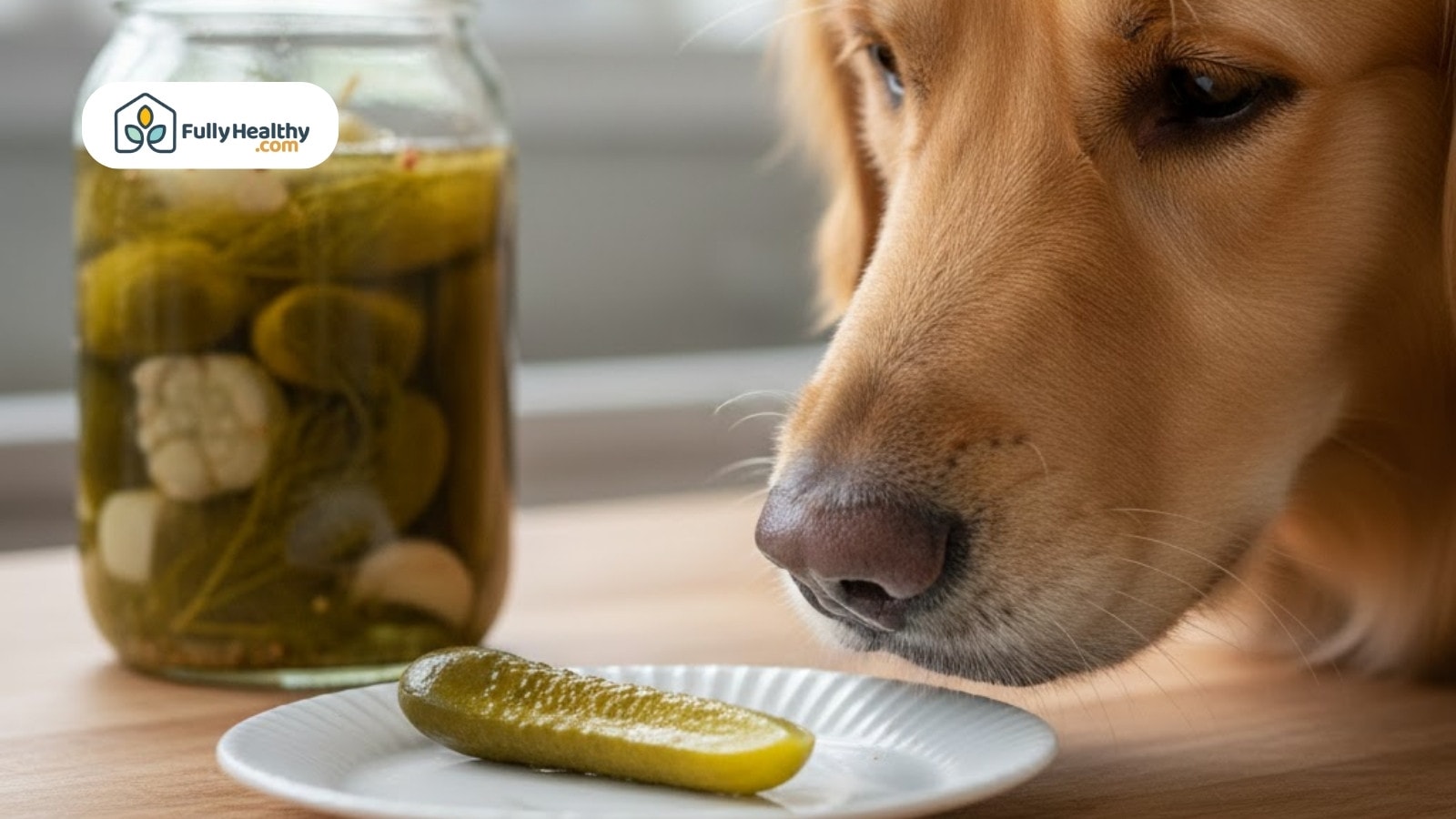
There are people who think that pup pickles can help with digestion, but this is not true. Pickles are not a recommended remedy for canine digestive upset and may worsen symptoms due to their acidity and salt. In fact, they often make things worse. Dogs that already have heart disease or digestive problems are at even greater risk.
The Dill Myth: Fresh Herbs vs Dill Pickles
A small amount of fresh dill may help digestion, but a dill pickle is not at all like that. Dogs think dill pickles are treats when they eat them, but the salt and vinegar take away any benefit.
-
Key difference: Fresh dill is mild, while a dill pickle is highly processed.
-
Sodium risk: Salt can trigger excessive thirst and stomach discomfort.
-
Safety rule: Avoid feeding pickles as a digestive remedy.
What To Give Instead Of Pickles For Digestive Support
Safe foods and good care are more important than treats when a dog is sick. A dog's health can get worse if it eats too many pickles.
-
Safer options: Plain dog food, water, or vet-approved bland meals.
-
Warning signs: Vomiting, weakness, or ongoing thirst should not be ignored.
-
Next step: Seek veterinary care if symptoms last or worsen.
What Are Signs Of Pickle Poisoning In Dogs?

Pickles might not look dangerous, but they have a lot of salt that is bad for pets. When a dog eats a lot, the high sodium content can quickly make the body sick. This might hurt your pet more than help them, especially if they are small or already have health issues.
Common Symptoms Of Excess Sodium In Dogs
This happens because too much salt takes water out of the cells. And this makes them thirsty and upsets their stomach. Pickles may not be directly harmful to dogs, but the high salt content can make them very sick.
-
Digestive upset: Vomiting or diarrhea may appear shortly after eating pickles.
-
Behavior changes: Lethargy, weakness, or unusual restlessness can develop.
-
Hydration imbalance: Excessive thirst and increased urination are common warning signs.
When Pickle Ingredients Become A Medical Emergency
That's not all there is to it. There are a lot of pickles that have unsafe spices or additives in them. Dogs can get sick from garlic and onions, even small amounts can hurt them.
-
Hidden ingredients: Onion, garlic, and seasonings can harm a dog internally.
-
Rising risk: Symptoms may worsen with repeated exposure or high salt content.
-
Professional help: A veterinarian should be contacted if symptoms continue or escalate.
FullyHealthy: Understanding Fermented Foods And Ingredient Transparency
FullyHealthy sells fermented vegetables that are made for people, not animals. Some of these foods are low in calories and are made from vegetables that have the same vitamins as fresh fruit and vegetables. But they aren't made to be safe for dogs, so you shouldn't feed them to your dog or treat them like pet food.
What FullyHealthy Offers And Who It’s For
FullyHealthy focuses on clean labels and simple ingredients for human diets. While some fermented vegetables may reduce inflammation in people, dogs digest foods differently and face potential risks from salt and seasonings.
-
Human-focused products: Made for adult nutrition, not for pets.
-
Ingredient transparency: Clearly lists vegetables, salt content, and seasonings.
-
Pet safety reminder: Products are not formulated to be safe for dogs.
FullyHealthy Products Mentioned And Why Dogs Should Avoid Them
Some fermented foods with simple ingredients are worse for dogs than others. In many cases, these foods contain a lot of salt or spices that are bad for digestion and could give your pet diarrhea if they eat them.
-
Pickled Planet Organic Raw Taqueria Mix: Contains vegetables, onion, jalapeño, and high sodium levels that are unsafe for dogs.
-
Great Plain Raw Sauerkraut (16 oz): Made with cabbage and salt, but the salt content is extremely high for a pet.
-
Lil’ Kim Chee Organic Raw Sauerkraut (16 oz): Includes garlic and spices that are toxic to dogs and increase potential risks.
-
Veterinary guidance: Always ask a veterinarian before sharing people food with a pet.
Final Thoughts
Pickles: Can dogs eat them? To sum up, pickles are foods that are bad for you and don't give you much in return. Most dogs can handle a small bite, but too many pickles can be bad for their health because they are high in salt, sodium, and other spices.
Dogs like strong smells, so they drink pickle juice or lick the jar. But pickle juice, sweet pickles, dill pickles, and dog pickles can make dogs with heart disease very thirsty, give them diarrhea, raise their blood pressure, poison them with salt, and make them stressed.
Pickles are soaked cucumbers, not raw cucumbers. Dogs don’t require dietary vitamin C, and while vitamin K is important, pickles are not a recommended source. For long-term pet safety, don't give your dog pickles or large amounts of them. Instead, give them safe snacks, dog food, vegetables, and veterinary care.
FAQs
Can dogs eat pickles safely?
Can dogs eat pickles depends on how many pickles, but most dogs should avoid feeding pickles, pickle risks are high, high salt content, more harm, potential risks, veterinarian advice.
Can dogs drink pickle juice?
Dogs drink pickle juice or pickle juice spills may cause excessive thirst, salt poisoning, diarrhea, high blood pressure, and are not safe for dogs.
Are dill pickles better than sweet pickles?
Dogs eat dill pickles, sweet pickles, or hot dogs toppings, but dill pickle, sweet pickles, and other spices are toxic to dogs in large amount.
Do pickles have the same vitamins as cucumbers?
Cucumbers soaked lose same vitamins, vitamin c, vitamin k, and raw cucumber is low calorie and perfectly fine compared to dog pickles.
What should I give instead of pickles?
Choose alternative snacks, vegetables, dog food, new food slowly, avoid feeding people foods, protect your pet, and seek veterinary care if symptoms appear.
Leave a comment