

How Much Mango Can I Eat a Day? Safe Mango Limit

How much mango can i eat a day? For most healthy adults, 1 to 2 cups of fresh mango is a safe daily amount. Mango gives you vitamin C, fiber, and antioxidants, but it also has natural sugar.
That means portion size still matters. If you have diabetes, high blood pressure, liver disease, or a strict diet, smaller servings may be better. This guide explains the right mango amount, when to be careful, and how to enjoy it wisely today.
How Much Mango Can I Eat a Day?
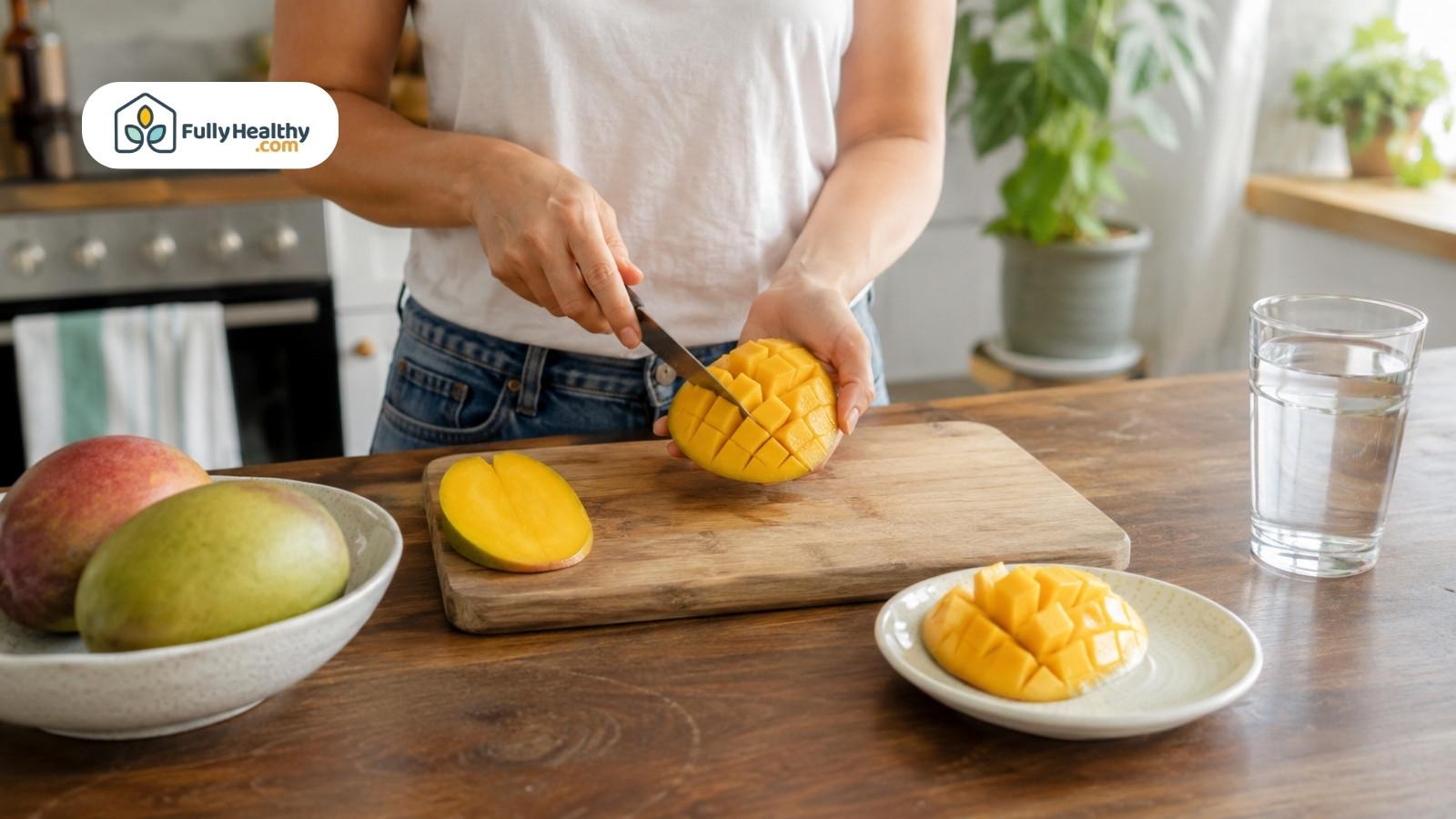
For healthy adults, the safe amount is usually 1 to 2 cups of fresh mango a day. This keeps mango consumption reasonable while helping you control the sugar content. Mango is a naturally sweet tropical fruit, so it can fit into a balanced diet when eaten in the right amount.
How Much Mango Can I Eat a Day for a Safe Daily Limit?
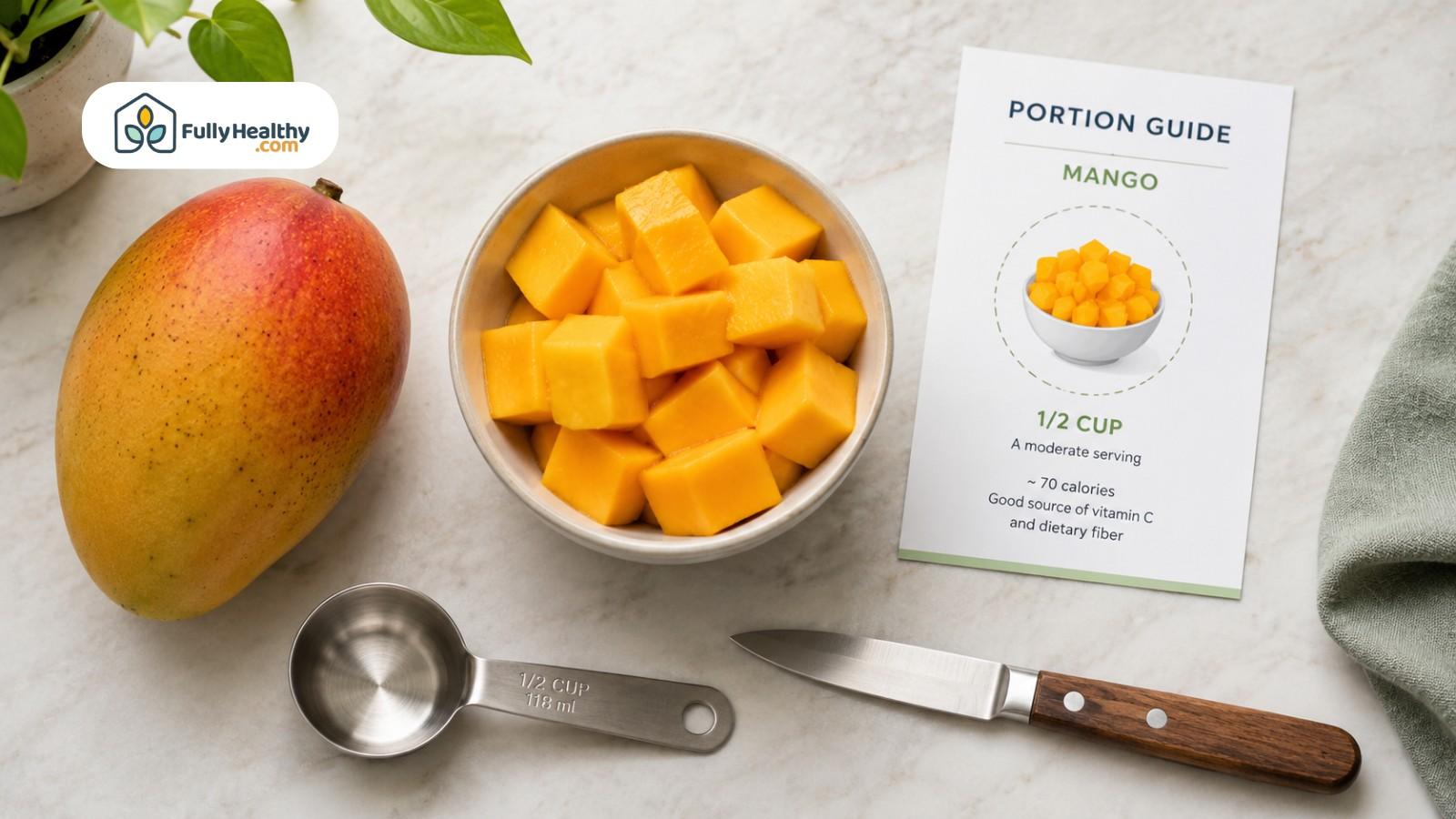
If you are asking how many mangoes are safe, start with a measured serving. One cup of mango has over 22 grams of natural sugar, about 3 grams of dietary fiber, and nearly 67% of your daily vitamin C needs.
-
Smart Serving: One mango can be enough for the day, especially if it is large.
-
Better Choice: Choose fresh fruit or frozen mango with no added sugar.
-
Daily Balance: Pair mango with protein, yogurt, or meals with enough vegetable intake to help manage blood sugar.
What Happens If I Eat Too Much Mango in One Day? Be Aware of Blood Sugar Spikes
Too many mangoes may sound harmless, but they can add more sugar and calories than you expect. Eating large amounts of mango can raise carbohydrate and calorie intake and may contribute to blood sugar spikes, digestive discomfort, or weight gain.
-
Calorie Load: Three large mangoes can provide about 585 calories, which may be around 30% of daily calorie needs.
-
Weight Concern: Eating many mangoes on top of regular meals may affect body weight over time.
-
Skin Reaction: Some people are allergic to mango skin, which may cause rashes or irritation.
Can a BP Patient Eat Mango?
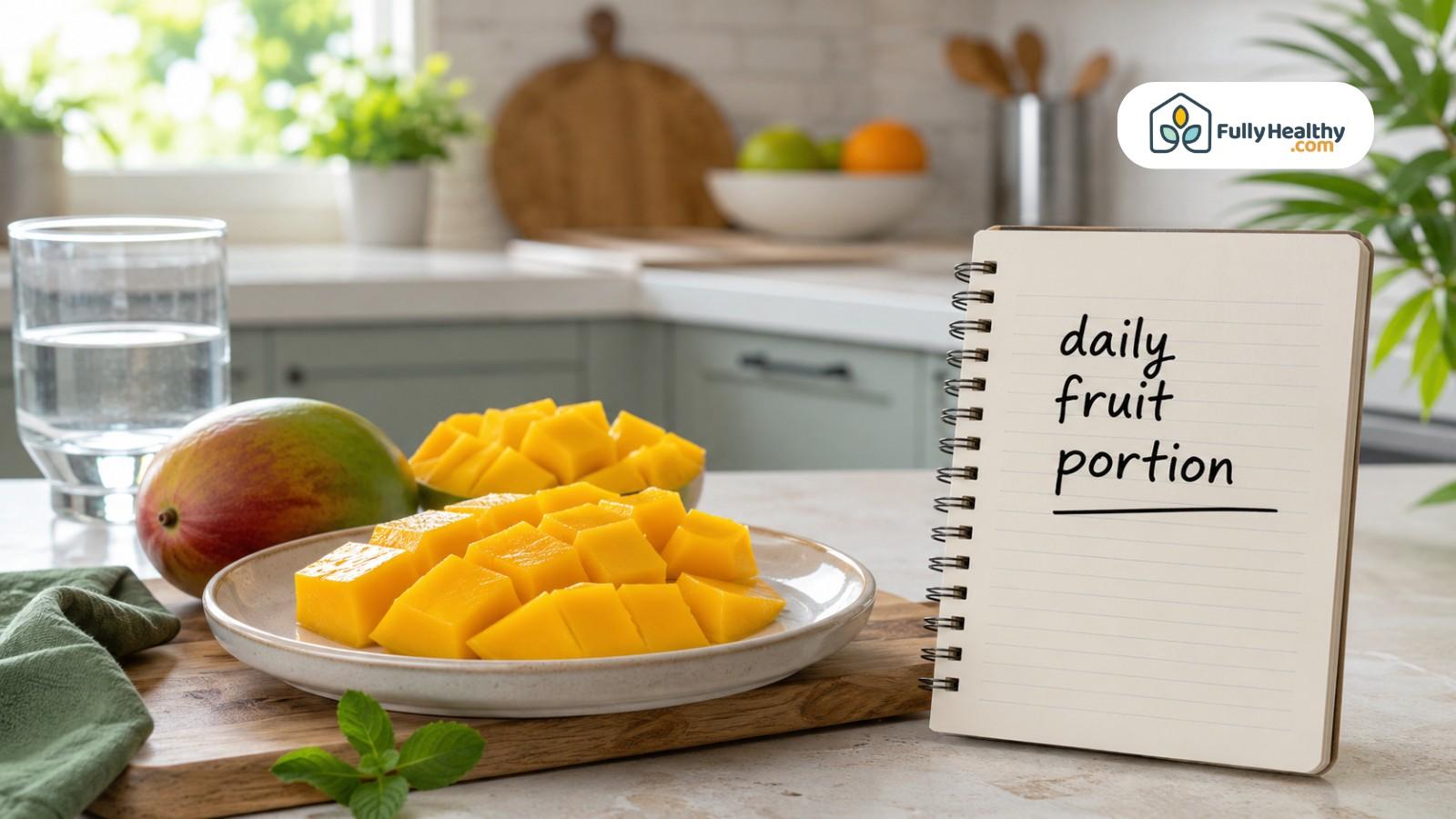
A BP patient can consume mango in moderation. Mango is low in sodium and has important nutrients, but it is not a cure for high blood pressure. It should be part of a healthy diet that supports heart health and overall health.
Is Mango Safe for People With High Blood Pressure?
Mango can be safe for people with high blood pressure when the serving is controlled. Its nutritional composition includes potassium, vitamin C, vitamin A, plant compounds, and fiber. These nutrients may support heart health, but they should not replace medicine.
-
Better Pattern: Build meals around fruits, vegetables, whole grains, and low-sodium foods.
-
Sugar Reminder: One cup of mango still has over 22 grams of sugar, so blood sugar levels still matter.
-
Smart Swap: Use mango as a better choice than candy, cakes, or other high-sugar desserts.
What Should BP Patients Watch Before Eating Mango Daily?
Eating mango daily may be fine for many people, but BP patients should still watch their total diet. Some people also manage diabetes, kidney problems, chronic diseases, or body weight, so portion control is important.
-
Portion First: Limit mango to 1 cup if your doctor wants you to reduce sugar or calories.
-
Avoid Extras: Be careful with dried mango, sweetened mango, and syrup-packed mango because they are higher in sugar.
-
Ask First: Follow your doctor’s wellness tips if you have other health conditions.
Which Organ Is Mango Good For?
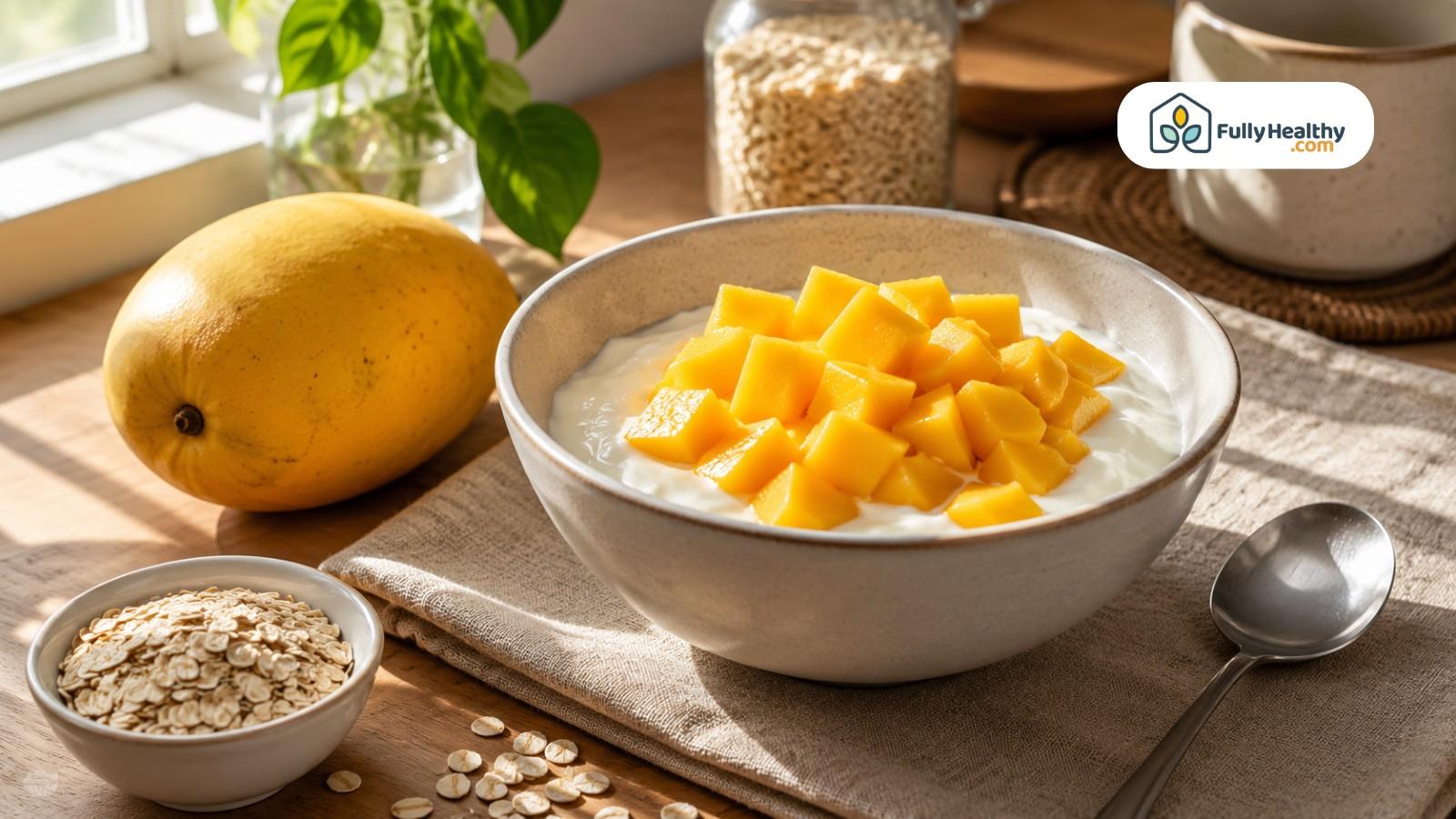
Mango supports more than one organ because it contains vitamins, minerals, digestive enzymes, fiber, and antioxidants. Like other tropical fruits, mango works best as part of a healthy diet, not as a treatment for disease.
How Does Mango Support the Heart, Gut, Eyes, Skin, and Immune System?
Mango has vitamin A, carotenoids, and vitamin C. One cup provides about 10% of daily vitamin A needs. Its carotenoids may support eye health, while vitamin C helps the immune system and skin health.
-
Gut Support: Dietary fiber may help digestive health and support regular bowel movements.
-
Skin Support: Vitamin C helps the body make collagen, which supports healthy skin structure.
-
Immune Support: Mango gives a daily vitamin boost without relying on processed sweets.
Why Do Mango’s Antioxidants Matter for Daily Health?
Mango contains polyphenols and other plant compounds that help protect cells from stress. Some studies suggest mango polyphenols may have anticancer properties, but mango should not be called a cancer treatment.
-
Cell Protection: Antioxidants may help support overall health by protecting cells from oxidative stress.
-
Realistic Benefit: Mango is a helpful fresh fruit, but it cannot fix an unhealthy lifestyle.
-
Best Approach: Enjoy mango with fruits, vegetables, protein, and whole grains for long-term health.
Is Raw Mango Good for Liver Cirrhosis Patients?
Raw mango may be refreshing, but liver cirrhosis patients should be careful. Mango has nutrition, fiber, and plant compounds, but it should not be treated as medicine. The safest step is to ask a doctor or dietitian first, especially if there are other health concerns.
Can Liver Cirrhosis Patients Eat Raw Mango Safely?
Small amounts of raw mango may be considered safe for some people with liver cirrhosis. Still, every patient has different needs. Some may need to watch salt, sugar, fluids, calories, or digestion, so mango portions should follow their care plan.
-
Portion Control: Start with a small serving, especially if you have digestive issues, diabetes, or a poor appetite.
-
Ripeness Matters: Mango is best enjoyed at peak ripeness because it tastes sweeter and may be easier to enjoy.
-
Pregnancy Note: During pregnancy, mango can be eaten in moderation, but no universal recommendation supports 1–2 mangoes per day.
Why Should Mango Liver Claims Be Treated Carefully?
Mango is rich in vitamin C, beta carotene, and antioxidants. These nutrients may support general health benefits, but mango cannot detox the liver, reverse cirrhosis, or replace medical treatment.
-
Realistic Benefit: Mango can be a good source of important nutrients, but it should not be called a cure.
-
Digestive Care: Eating too much mango may cause gas, bloating, diarrhea, or other digestive issues.
-
Better Plate: Pair mango with balanced meals, protein, and safe drinks like water or milk if your doctor allows it.
How Can FullyHealthy Help You Choose Better Mango Snacks?
FullyHealthy can help readers find simple mango snacks when fresh fruit is not available. These options can be useful for travel, pantry storage, or quick snacking. Still, dried mango snacks should be eaten in smaller portions because they are more concentrated.
Which FullyHealthy Mango Products Can Readers Buy?
FullyHealthy offers mango snacks that are easy to add to a healthy routine. These products can be helpful when you want something naturally sweet, but you should still check the serving size, sugar, calories, and daily value on the label.
-
Made in Nature Organic Dried Mangoes 3 oz: A simple dried mango option for readers who want a fruit-based snack.
-
Solely Mango Halves 8 oz: A mango-only snack choice for readers who prefer fewer ingredients.
-
Mavuno Harvest Organic Mango and Coconut Fruit Bites 1.94 oz: A convenient snack with mango and coconut flavor for quick portions.
How Should Readers Compare Fresh Mango With FullyHealthy Dried Mango Snacks?
Fresh mango is usually better for hydration, fullness, digestion, and weight loss goals because it has more water. Dried mango is still useful, but the serving size should be smaller because the sugar and calories are more concentrated.
-
Nutrition Check: Use fooddata central or product labels to compare sugar, calories, magnesium, and daily value.
-
Fresh First: Choose fresh mango more often when you want a lighter snack with more water.
-
Snack Smart: Enjoy dried mango as part of a balanced diet, not as an unlimited snack.
Final Thoughts
Mango can be part of a healthy diet when you keep portions simple. For most healthy adults, 1 to 2 cups of fresh mango is enough for daily mango consumption. It gives vitamin C, vitamin A, dietary fiber, plant compounds, beta carotene, magnesium, and other important nutrients that support digestive health, eye health, heart health, the immune system, and overall health.
Still, mango has natural sugar, so too many mangoes may affect blood sugar, blood sugar levels, body weight, and weight gain. Enjoy mango as fresh fruit, frozen mango, or dried mango in smaller portions. Pair this tropical fruit with protein, milk, whole grains, and vegetable intake for better digestion, daily vitamin needs, nutrition, and balance for everyday wellness tips.
FAQs
Is Eating Mango Daily Good for You?
Yes, eating mango daily can be good if you consume mango in the right amount and keep it part of a balanced diet.
How Many Mangoes Are Too Many?
Many mangoes, especially 3 or more daily, may cause blood sugar spikes, digestive issues, and extra calorie intake.
Is Mango Good for Weight Loss?
Mango can support weight loss when eaten in small portions because it is naturally sweet and can replace high-calorie desserts.
What Makes Mango Nutritious?
According to nutrition data like fooddata central, mango is a good source of vitamin C, vitamin A, fiber, and rich plant compounds.
Is Mango Safe for Most People?
Yes, mango is considered safe for most people, but too many mangoes may affect sugar content, digestion, and chronic diseases.
Leave a comment